Britain's Old Coal Mines Now Heat Homes and Save Carbon
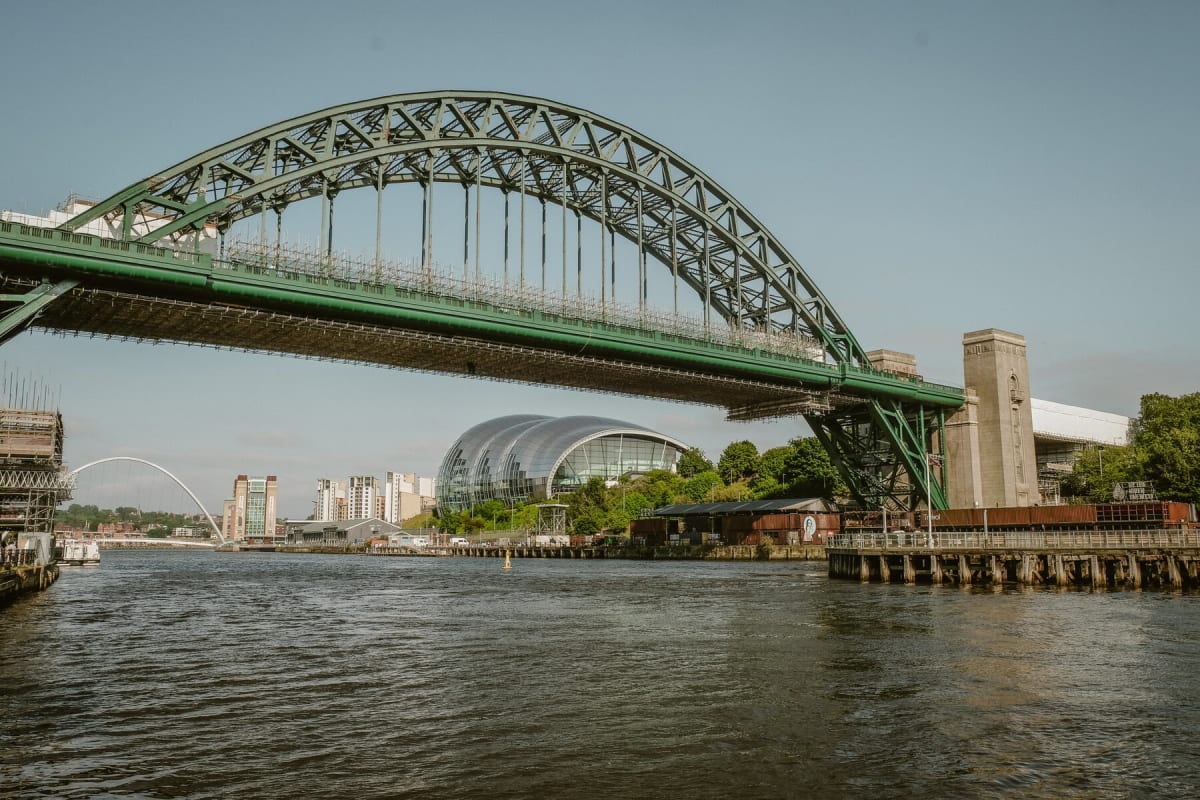
The English town of Gateshead is pulling warmth from water flooding its abandoned coal mines to heat 350 homes, a college, and an art center. The same earth that powered Britain's industrial past is now fueling its clean energy future.
Chris Smith's grandfather spent his working life deep in the coal mines beneath Gateshead, England. Today, Smith follows him underground in spirit, extracting a different kind of energy from the same tunnels.
Since March 2023, Gateshead has been warming homes with heat from water flooding its abandoned mine shafts. The system now heats 350 homes plus Gateshead College and the Baltic Centre for Contemporary Art, saving an estimated 72,000 metric tons of carbon dioxide over 40 years.
The engineering is surprisingly straightforward. Water sitting 150 meters underground stays naturally warm at about 15 degrees Celsius from geothermal heat. A six-megawatt heat pump pulls that water up, extracts its warmth, boosts the temperature to 80 degrees, and sends it through five kilometers of pipes to buildings across town.
Dan Mallin Martin, a hydrogeologist at Britain's Mining Remediation Authority, explains the beauty of the setup. "You can take something mildly warm and turn it into something very usable for heating," he says.
Gateshead's coal mines operated for nearly 700 years, starting in 1344 when horses hauled "sea coal" to ships on the River Tyne. Margaret Thatcher shuttered the last mines in the 1980s, leaving behind a vast network of flooded tunnels that now form an interconnected reservoir of renewable heat.
Private businesses caught on quickly. Lanchester Wines installed Britain's first commercial mine water heating system in 2017 at one of its warehouses. The company added a second system in 2019, and together they now heat 33,445 square meters of warehouse space with four megawatts of capacity.
The Ripple Effect
The Mining Remediation Authority created a Living Lab dataset that monitors water levels, chemistry, temperature, and pressure around three nearby mine water heating systems. This public evidence base helps other communities across Britain assess whether their old mines could provide similar heating solutions.
For Smith, managing Lanchester's renewable energy systems carries extra meaning. "I'm here almost doing the same, just in a different way," he says of following his grandfather's footsteps. "Still kinda going back down the mines and extracting heat and energy."
He pauses, then smiles. "I do find it quite poetic."
More Images

Based on reporting by Reasons to be Cheerful
This story was written by BrightWire based on verified news reports.
Spread the positivity!
Share this good news with someone who needs it