British Surgeon Could Be First Disabled Astronaut in Space
John McFall, who lost his leg at 19, is set to make history as the first physically disabled person in space. The former Paralympic sprinter will help answer groundbreaking questions about disability in microgravity.
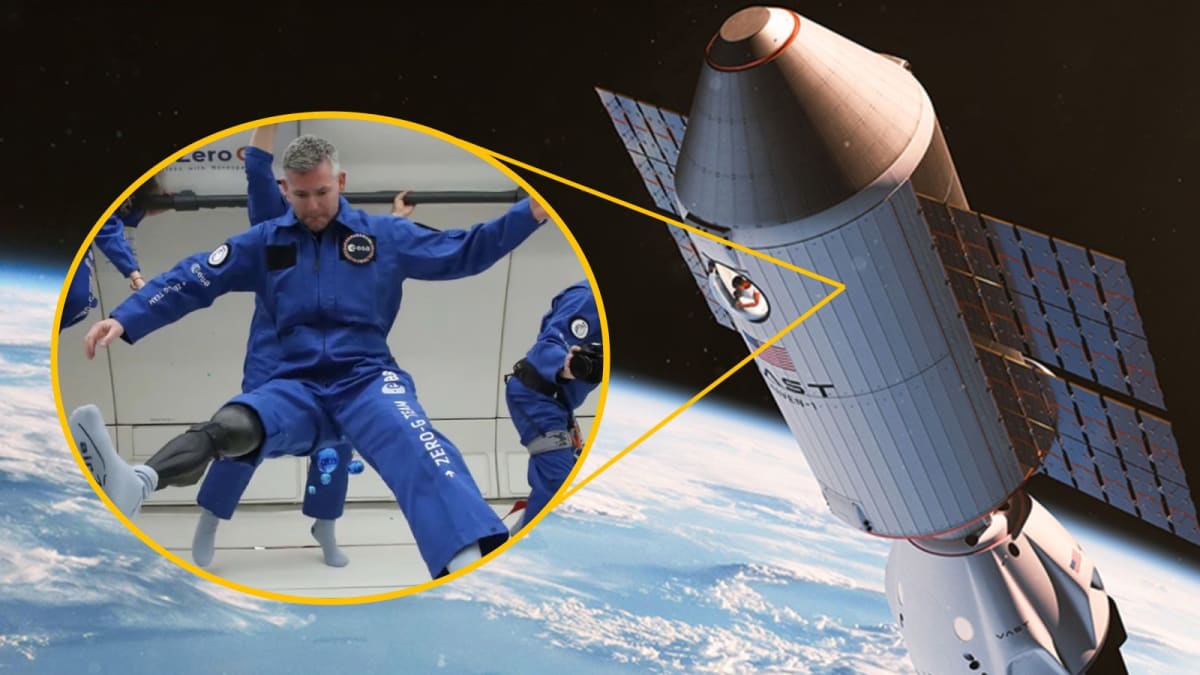
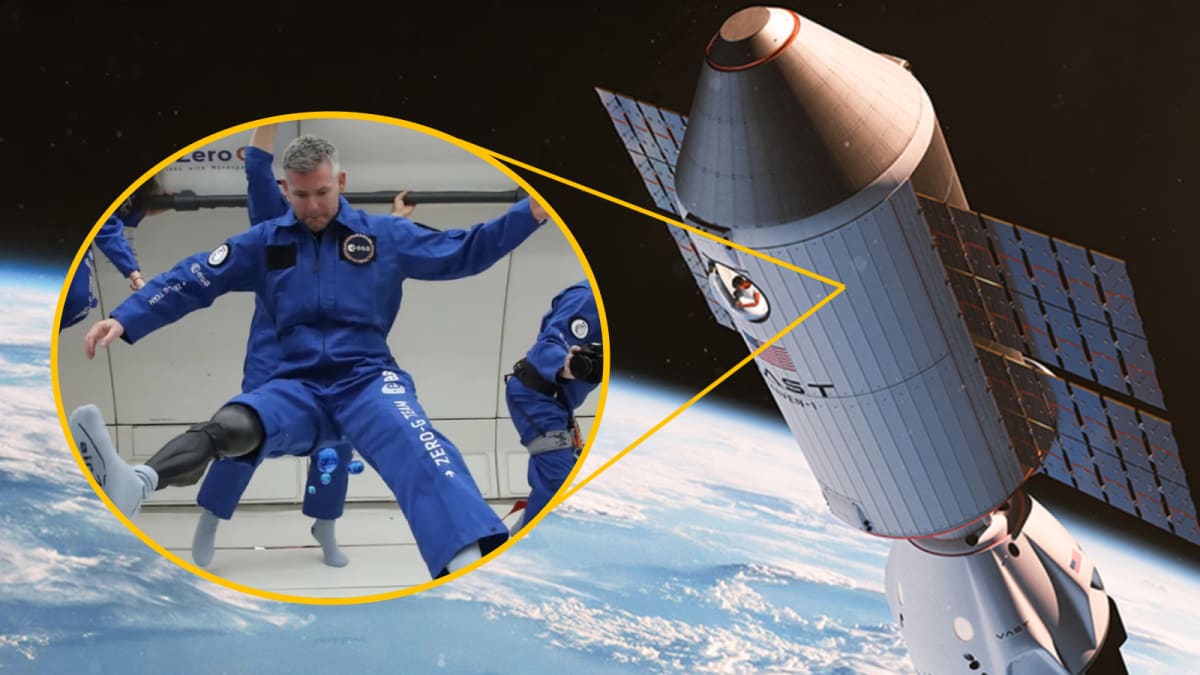
A British surgeon who thought he might never walk again after losing his leg in a motorcycle accident could soon float among the stars as the first physically disabled astronaut in space.
John McFall, 45, was selected as a crew member for Haven-1, the world's first commercial space station launching early next year. The mission marks a giant leap for inclusive space exploration and could rewrite what we think is possible for people with disabilities.
After his right leg was amputated above the knee at age 19, McFall didn't let his disability define his limits. He became a Paralympic sprinter, winning multiple medals in the T42 class before pursuing medicine as a surgeon.
In 2022, he joined the European Space Agency's Fly! program, designed to determine if someone with a physical disability could live and work in orbit. This February, he became the first program member cleared for a potential space mission.
The roughly 30-day mission isn't just about breaking barriers. It's a scientific opportunity to understand how disability might actually offer advantages in space.
McFall believes his lower limb volume could mean less fluid shifting to his brain in microgravity, potentially reducing vision problems that affect 75% of astronauts. His lower bone mass might also decrease the risk of kidney stones, a common hazard in space caused by calcium loss.
Why This Inspires
McFall isn't focused on personal glory. He sees his journey as part of a larger movement toward a more inclusive society, showing what people are capable of regardless of physical differences.
The questions his mission will explore are fascinating. Is having two legs actually useful in weightlessness? Will his prosthetic leg be more helpful or challenging during spacecraft operations?
Scientists won't know the answers until McFall collects blood and urine samples in orbit and completes eye examinations in space. Each data point will help future astronauts with disabilities prepare for their own journeys beyond Earth.
McFall plans to wear his prosthetic leg during the mission, especially during launch and emergencies when quick evacuation might be necessary. The decision balances practical safety needs with the scientific goal of understanding disability in space.
From thinking he might never walk again to potentially floating in orbit, McFall's journey proves that yesterday's impossible can become tomorrow's reality.
More Images



Based on reporting by Live Science
This story was written by BrightWire based on verified news reports.
Spread the positivity!
Share this good news with someone who needs it