Brussels Conference Unites Global Scientists on Sustainability
Scientists, entrepreneurs, and policymakers from around the world gathered in Brussels to fast-track solutions for climate resilience and ocean health. The conference spotlighted how international collaboration is turning sustainable innovation into real-world impact.
The world's brightest minds in sustainable technology met this week in Brussels with one mission: turn innovative ideas into solutions that actually work.
The ninth Global Sustainable Technology and Innovation Conference kicked off Monday at the Flemish Parliament, drawing scientists, entrepreneurs, policymakers, and investors from across the globe. This year's theme, "From Innovation to Impact," signals a shift from just talking about solutions to making them happen.
The conference zeroed in on six critical areas where humanity needs wins: energy, food, water, health, cities, and finance. Every session focused on accelerating progress toward the United Nations Sustainable Development Goals, the global blueprint for a better future by 2030.
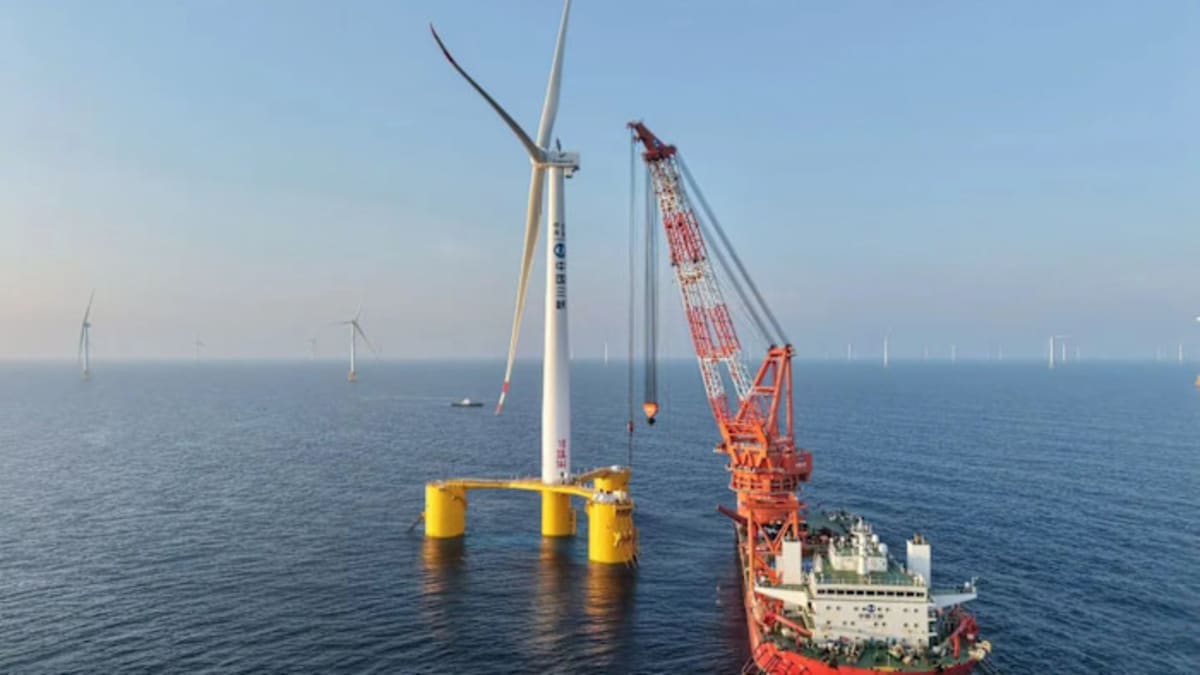
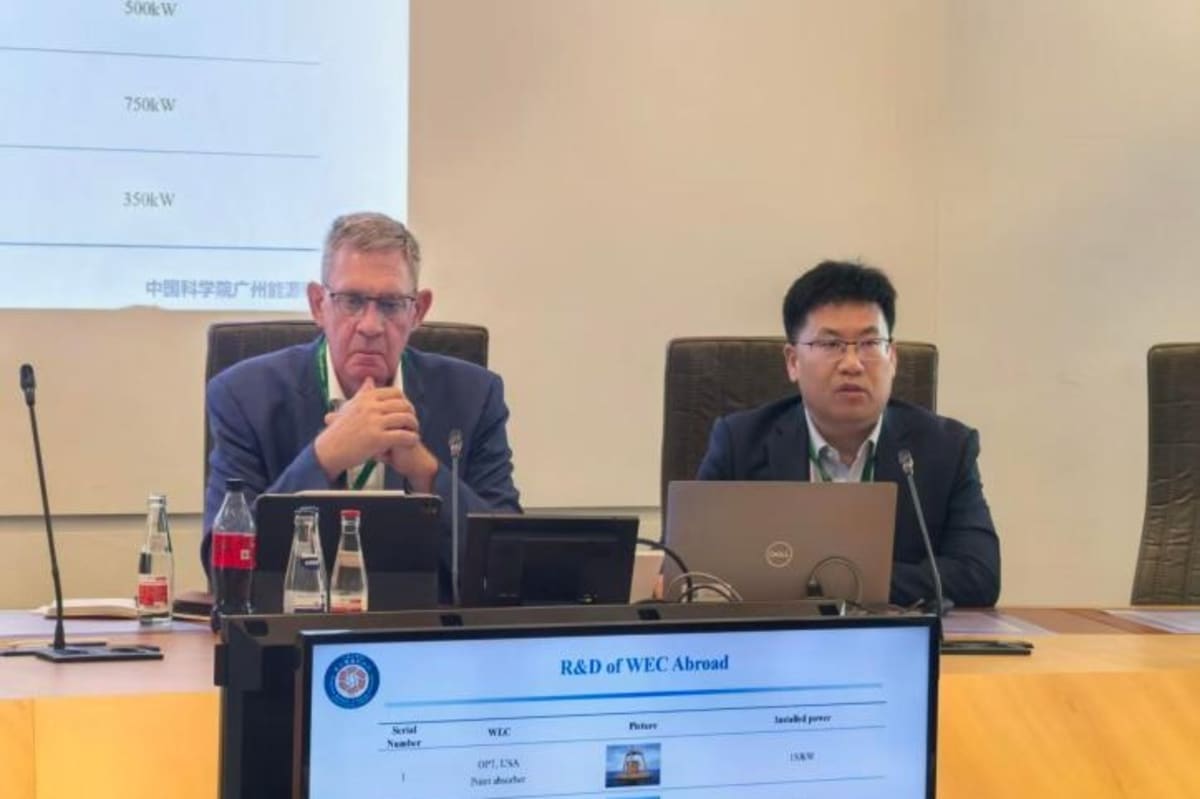
One standout moment came from a forum on the blue economy, organized by China's Guangzhou Institute of Energy Conversion. The session tackled a complex challenge: how do we protect our oceans while building climate resilience and supporting economic growth?
Scientists presented new approaches to balance marine conservation with development. Sheng Songwei, director of the Offshore Energy Research Center, joined Belgian experts in exploring how technological innovation can help coastal communities thrive without harming ocean ecosystems.
The blue economy forum emphasized that healthy oceans aren't just an environmental issue. They're essential for feeding billions of people, regulating climate, and creating sustainable jobs in fishing, tourism, and renewable energy sectors.
The Ripple Effect
What makes this conference special isn't just the presentations. It's the connections being forged between researchers in different countries who can pool their knowledge and resources.
When a Chinese marine scientist shares findings with a Belgian climate expert, both gain insights they couldn't achieve alone. These partnerships often lead to breakthrough technologies that get deployed faster than any single nation could manage.
The conference model itself shows how international cooperation can work. By bringing together people who control funding, create policy, launch businesses, and conduct research, good ideas can jump from the laboratory to the real world in record time.
Young entrepreneurs at the event gained access to investors specifically looking for sustainable ventures. Policymakers heard directly from scientists about which regulations would help rather than hinder progress.
This cross-pollination of expertise means solutions developed in one region can be adapted for challenges elsewhere. A water purification technology tested in one climate zone might be exactly what another community needs.
The Brussels gathering proves that when nations share their innovations instead of hoarding them, everyone moves forward faster on the challenges that affect us all.
More Images
Based on reporting by Google News - Innovation Technology
This story was written by BrightWire based on verified news reports.
Spread the positivity!
Share this good news with someone who needs it