Burying Dead Trees to Save Forests and Fight Wildfires
A company is turning wildfire cleanup into climate action by burying scorched trees underground to fund new fire-resistant forests. This innovative solution tackles both the wildfire crisis and reforestation costs in one stroke.
Wildfires are leaving behind more than just devastation. They're creating a dangerous problem that's been hiding in plain sight.
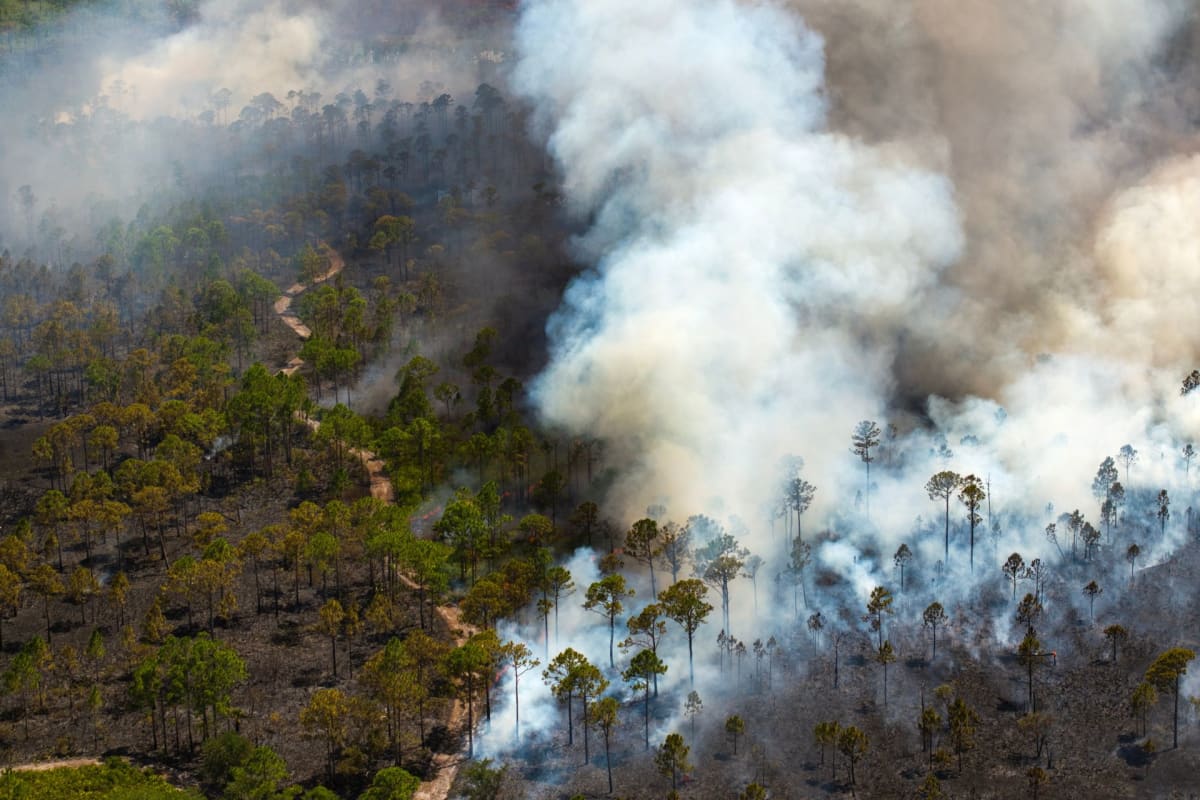
When intense fires torch Western forests, they leave behind barren landscapes littered with dead trees. These scorched remains become fuel for the next fire, creating a vicious cycle. Clearing them and replanting forests costs a fortune that most land managers simply don't have.
Grant Canary saw an opportunity where others saw only obstacles. His company, Mast Reforestation, found a way to make forest recovery pay for itself.
Here's how it works: Mast takes fire-killed trees and buries them deep underground in oxygen-free clay vaults. Without oxygen, the wood can't decompose, which means the carbon it absorbed stays locked away permanently. That stored carbon generates high-quality carbon credits that companies can purchase.
The revenue from those credits funds the expensive work of clearing burned landscapes and hand-planting new forests. Even better, these new forests are designed to be more fire-resistant than what was there before.
The timing couldn't be more critical. The American West faces a shortage in conifer seeds needed for replanting, and high-severity wildfires are becoming more common. Traditional reforestation efforts struggle to keep pace with the destruction.
Mast's approach solves multiple problems simultaneously. It removes hazardous fuel from burned areas, generates climate benefits by storing carbon, creates funding for reforestation, and helps rebuild forests that can better withstand future fires.
The Ripple Effect
This solution addresses a challenge that extends far beyond individual burn scars. Every acre of forest that Mast helps regenerate becomes habitat for wildlife, protection for watersheds, and a barrier against erosion. The fire-resistant forests they're planting today could save communities and ecosystems decades from now.
The model also opens doors for scaled reforestation efforts that were previously impossible due to cost constraints. By turning wildfire cleanup from an expense into a revenue generator, Mast makes forest recovery economically viable.
What started as a pivot from a hardware project has become a blueprint for how innovation can tackle environmental challenges. Sometimes the best solutions come from looking at problems through an entirely different lens.
The West's forests are getting a fighting chance, one buried tree at a time.
Based on reporting by Google News - Reforestation
This story was written by BrightWire based on verified news reports.
Spread the positivity!
Share this good news with someone who needs it