BYD Launches $12,000 Electric Car for Japan's Tiny Roads
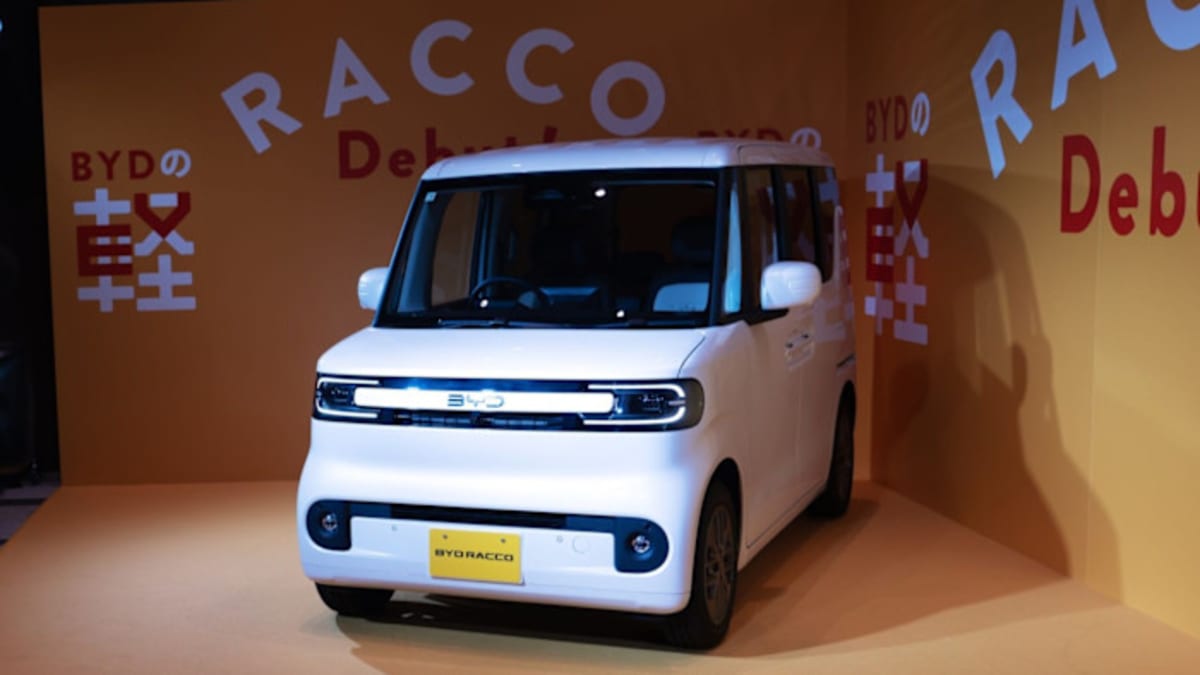
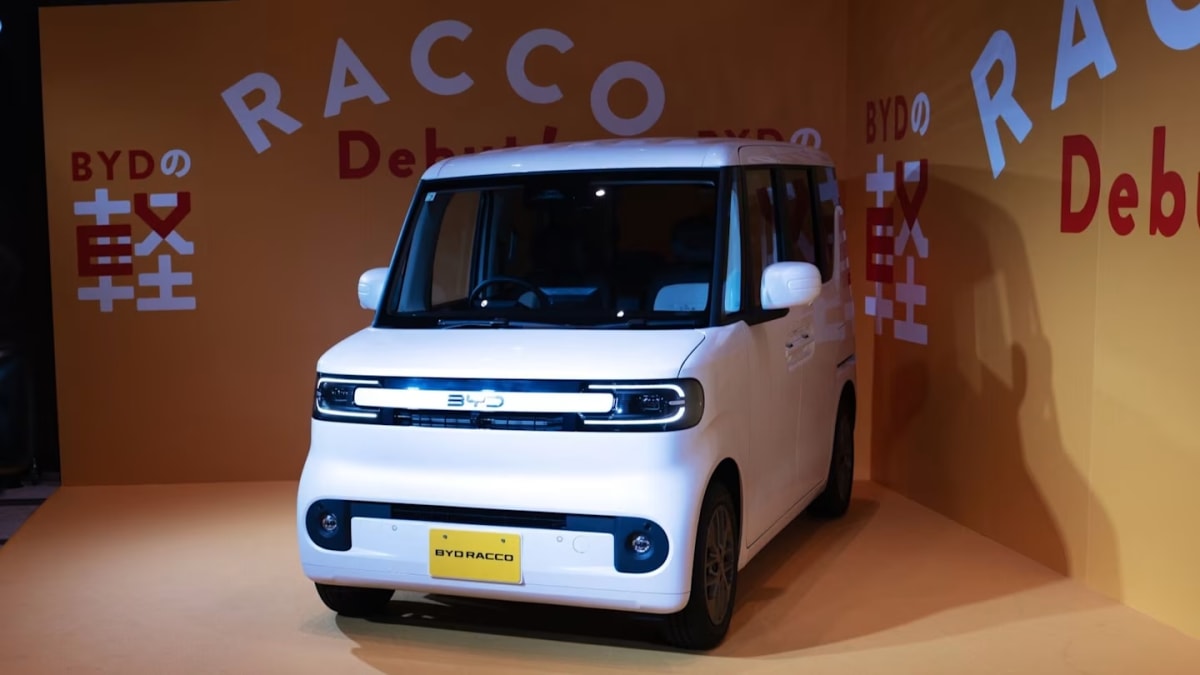
Chinese automaker BYD just unveiled the Racco, a super-compact electric car designed for Japan's narrow streets that costs less than $12,000 after subsidies. The tiny EV offers up to 200 miles of range and could make electric driving accessible to millions in Japan's shrinking rural towns.
A tiny electric car designed for Japan's cramped city streets and disappearing gas stations could help rural communities go electric for less than the cost of a used sedan.
BYD, the world's largest electric vehicle maker, just launched the Racco in Japan. The boxy little car fits the "kei" category, a beloved class of compact vehicles perfectly sized for Japan's narrow roads and tight parking spots.
The price tag tells the real story. After government subsidies, the Racco costs under $12,000, making it one of the most affordable electric vehicles anywhere. On a single charge, it can travel between 130 and 200 miles, outperforming popular Japanese electric kei cars like the Nissan Sakura.
BYD saw an opportunity where others saw obstacles. As fuel prices climb and gas stations vanish across Japan's rural regions, people in small towns face tough choices. The company's Japan president compared the Racco to "Mr. Bean's Austin Mini Cooper," capturing the charm of simple, practical transportation.
Kei cars already make up over a third of all new vehicle sales in Japan. Their popularity stems from practical perks: lower taxes, cheaper insurance, and nimble handling on streets built centuries before cars existed. The vehicles must stay under certain size limits and have engines smaller than 660cc to qualify for these benefits.
The Ripple Effect
This launch represents more than one company entering a market. It shows how electric vehicles are becoming accessible beyond wealthy early adopters in big cities.
Rural Japan faces unique challenges as populations shrink and infrastructure ages. Gas stations are closing at alarming rates, leaving some communities stranded miles from the nearest pump. An affordable electric car that charges at home could transform daily life for thousands of families.
BYD faces steep competition in Japan, where foreign brands struggle against beloved local names like Toyota and Honda. The company sold fewer than 4,000 vehicles in Japan last year out of 4.5 million total new car sales. But starting small makes sense when you're introducing something new.
The broader shift matters too. BYD is building factories across Hungary, Brazil, Thailand, Indonesia, and Uzbekistan while constructing eight specialized ships to transport EVs worldwide. The company's leader recently announced plans to become the world's largest carmaker within five years through faster charging technology and global expansion.
Lower-priced electric vehicles could accelerate the transition away from fossil fuels by making clean transportation financially realistic for average families, not just luxury car buyers.
Even President Trump noticed kei cars, calling them "very small" and "really cute" during a White House announcement last year. The appeal of simple, efficient transportation crosses borders and political lines when it solves real problems people face every day.
More Images
Based on reporting by Google News - Electric Vehicle
This story was written by BrightWire based on verified news reports.
Spread the positivity!
Share this good news with someone who needs it