California Batteries Now Power 43% of Grid at Peak Demand
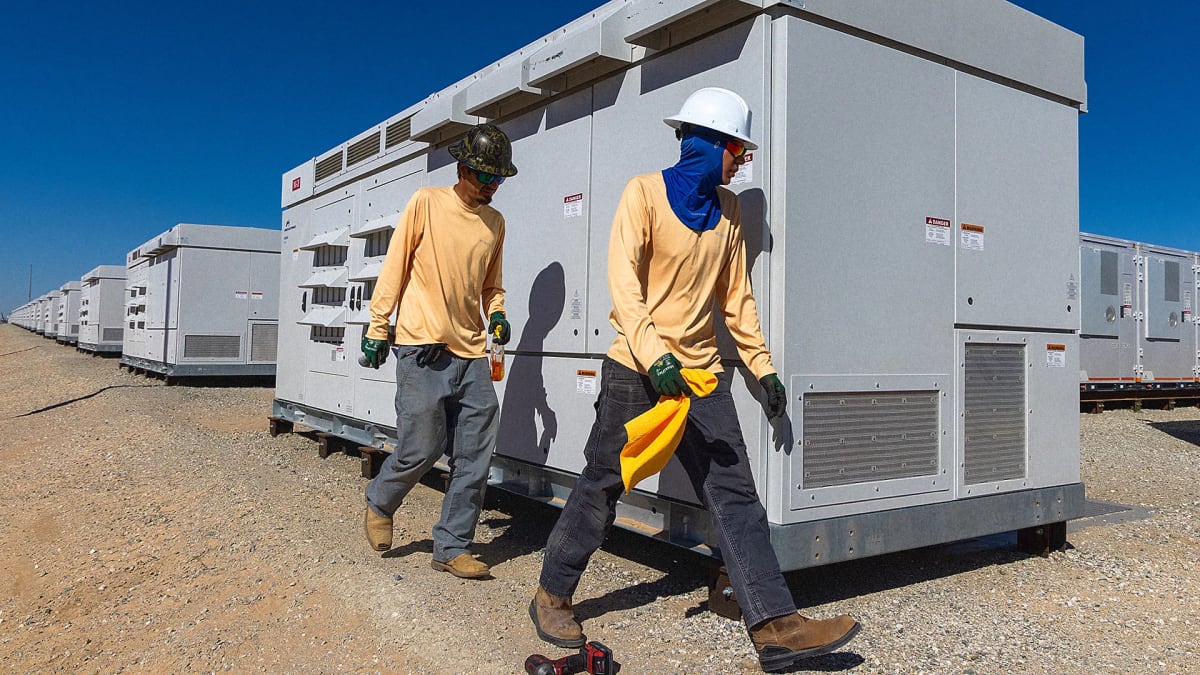
On March 29, batteries delivered 12.3 gigawatts to California's grid during evening hours, matching the output of six Hoover Dams. Nearly all of this storage capacity was built in just the last five years.
California just proved that clean energy storage isn't the future anymore. It's happening right now.
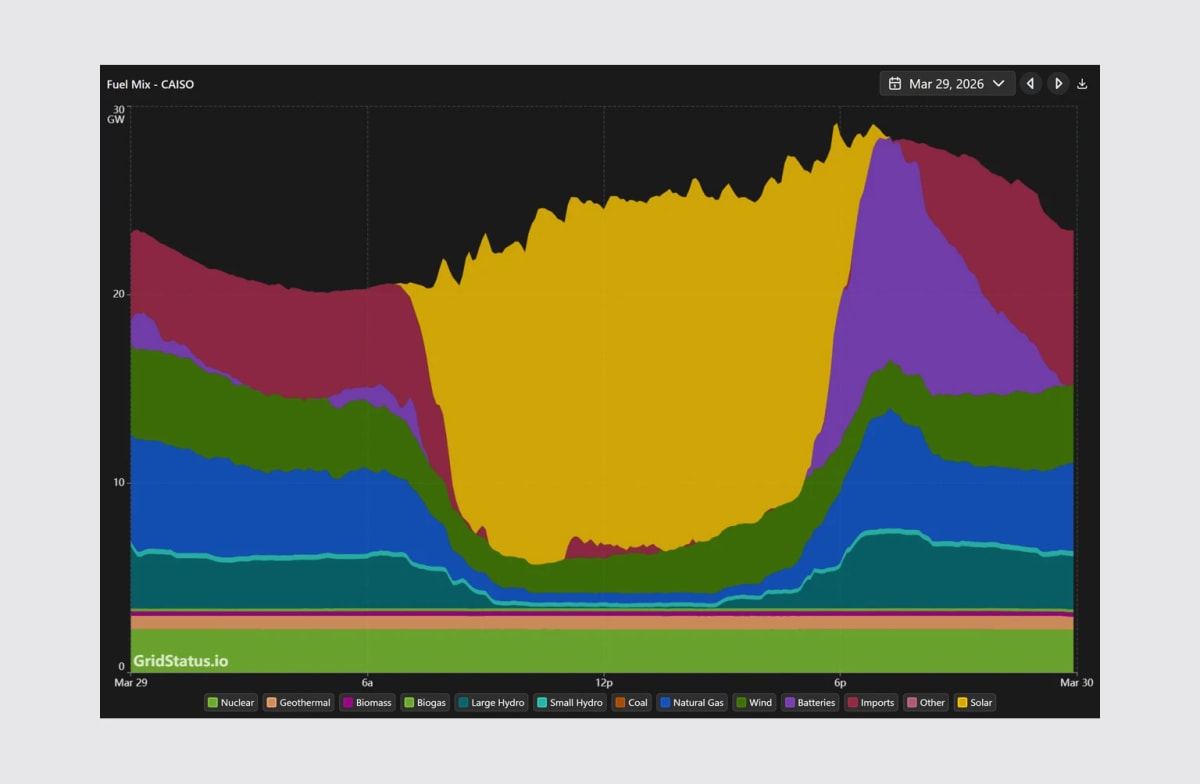
At 7pm on March 29, batteries provided 43% of all electricity on California's grid. That's 12.3 gigawatts of power, roughly equal to six Hoover Dams running at full capacity. Nearly all of that battery storage didn't even exist five years ago.
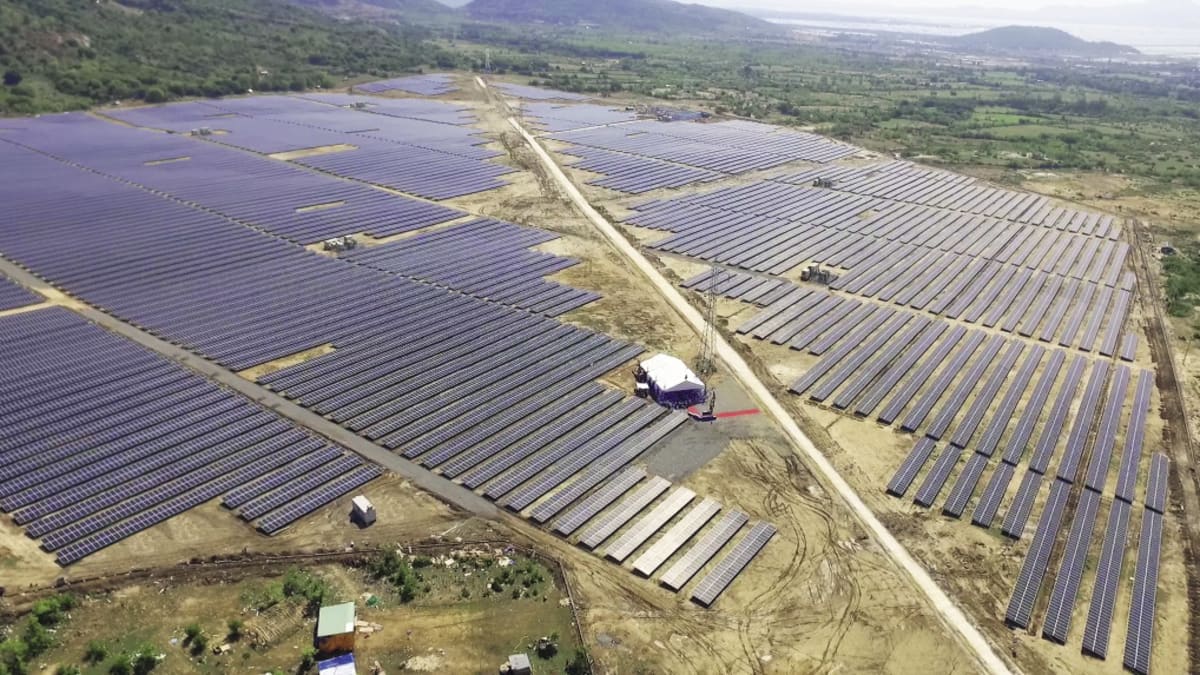
The transformation happened thanks to plummeting costs. Battery prices have dropped 99% over the past three decades, and about a third in just the last few years. Solar panels have gotten 90% cheaper too, making new solar projects 41% less expensive than fossil fuel alternatives.
"Until 2020 or 2021, battery storage was still quite expensive, but we've seen huge price drops," says Nicolas Fulghum, senior energy analyst at Ember, a global energy think tank. The timing couldn't be better.
Here's why it matters. California generates massive amounts of solar power in the middle of the day when the sun is strongest. But people need electricity most in the evening when they come home from work. Batteries bridge that gap perfectly, storing excess solar energy during the day and releasing it exactly when it's needed.
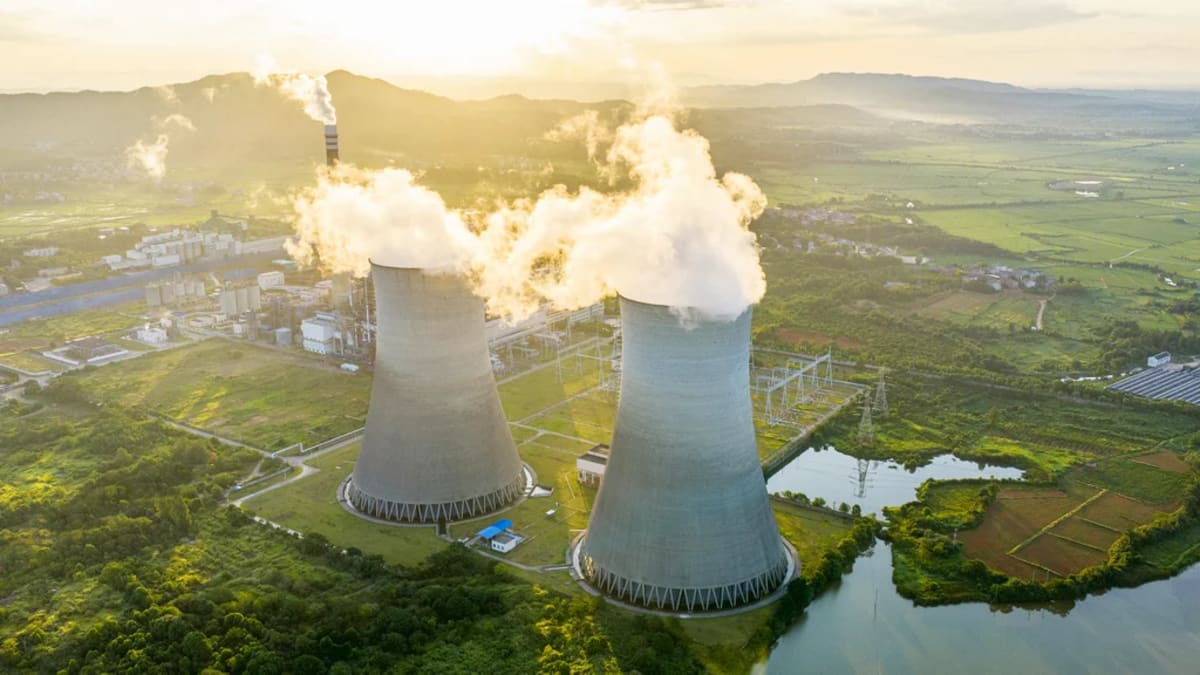
This shift is already reducing the state's reliance on expensive and polluting "peaker" gas plants that only run during high demand periods. Gas generation in California produces 30 to 40 million metric tons of CO2 emissions annually. About half of these plants sit in low-income communities of color, where the air pollution contributes to asthma and other health problems.
The battery boom is also solving a problem California created for itself. The state had installed so much solar that it began to overwhelm the grid during sunny afternoons, forcing operators to waste clean energy. Now batteries soak up that excess power, which means California can actually build even more solar panels without straining the system.
Gas use on the grid has already declined by 20% over the last few years. On that record-breaking evening in March, gas still provided about 20% of the grid's power, but that share keeps shrinking.
The Ripple Effect
California's grid currently has 17 gigawatts of battery storage installed. The state is aiming for more than 50 gigawatts in the coming years, and costs continue to drop.
Virtual power plants are adding to the progress too. These systems link home batteries, electric vehicle batteries, and smart thermostats to help balance the grid without firing up fossil fuel plants. Advanced geothermal power will eventually provide clean electricity around the clock, but that technology needs more time to scale up.
Batteries can help immediately. And with a huge pipeline of storage projects coming online over the next few years, California is proving that a clean energy grid isn't just possible. It's already powering millions of homes every single evening.
More Images

Based on reporting by Fast Company - Innovation
This story was written by BrightWire based on verified news reports.
Spread the positivity!
Share this good news with someone who needs it