California Farmers Test Smarter Plastic Alternatives
Scientists and farmers in California are finding practical solutions to reduce agricultural plastic waste while keeping crop yields high. New stronger materials and better removal methods are already working in strawberry fields at no extra cost.
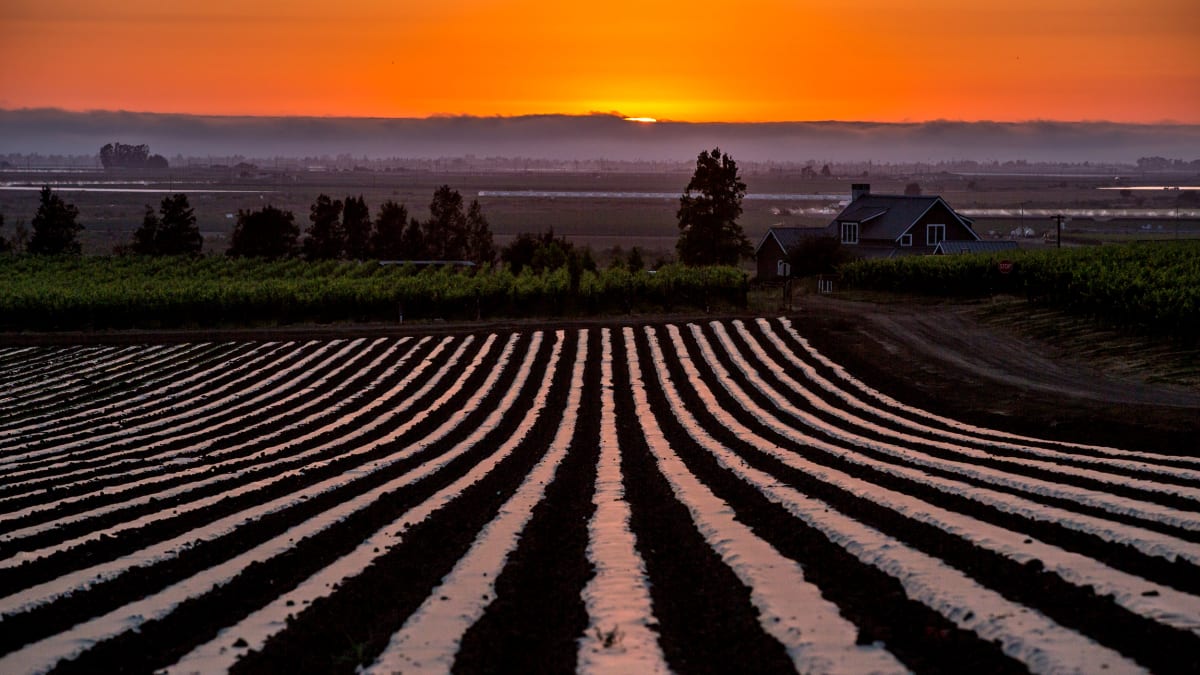
California's agricultural fields have sparkled with plastic mulch for decades, but now researchers are proving farmers can protect their harvests and the environment at the same time.
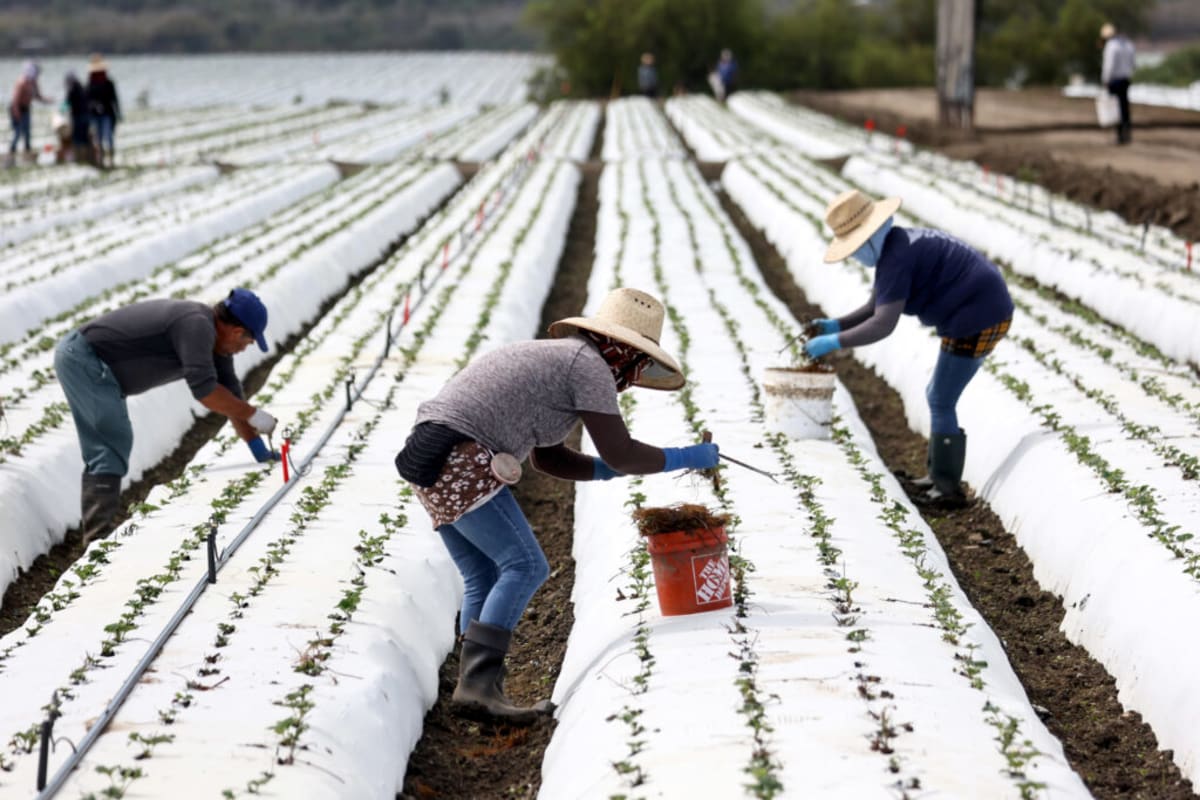
Since the 1960s, plastic mulch has helped farmers grow more food by controlling weeds, managing soil temperature, and reducing the need for pesticides. Today, farmers worldwide use over 12.5 million metric tons of agricultural plastic every year. But as this plastic breaks down into tiny fragments, it contaminates soil, waterways, and air.
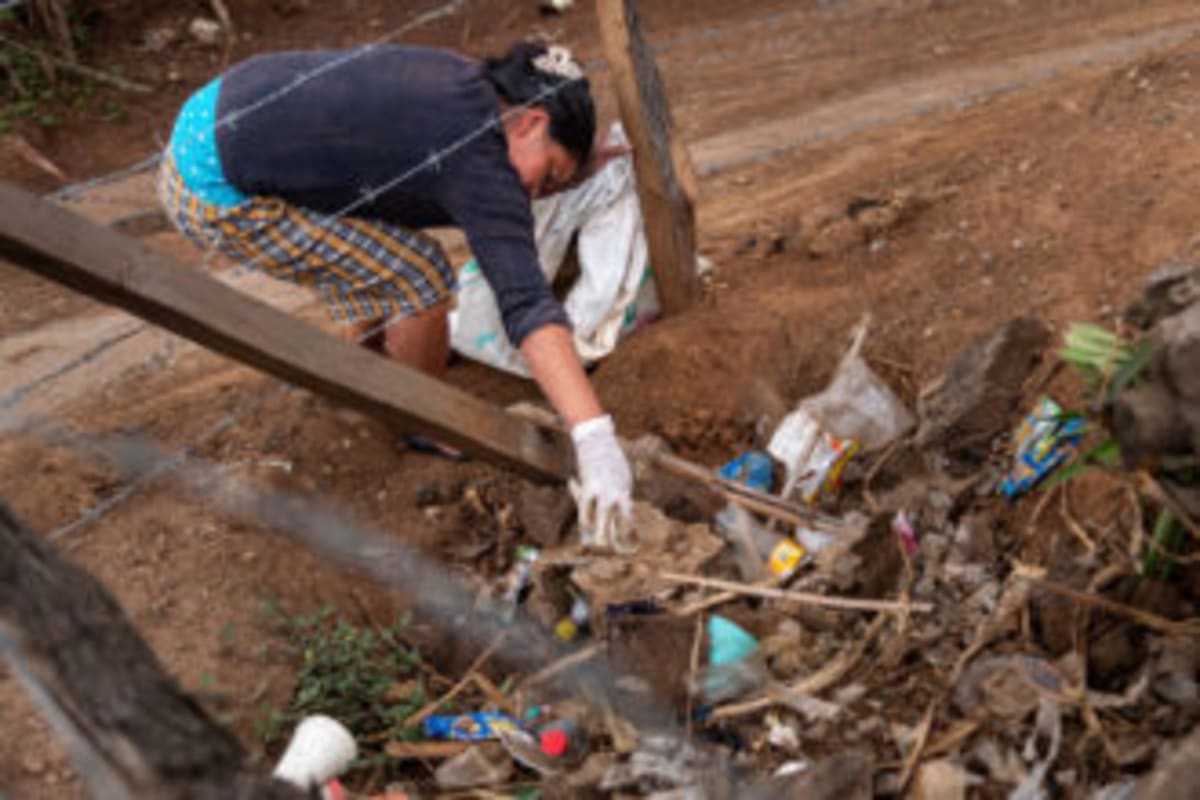
Scientists at California Polytechnic State University are tackling this challenge head on. They've discovered that in Monterey County alone, strawberry growers use nearly 8 million pounds of plastic mulch annually. When plastic debris showed up in stream banks near fields, researchers traced more than 80 percent of it back to agricultural mulch.
The team tested biodegradable alternatives across California, Washington, Nebraska, and Florida. While some products took longer to break down than expected, the research led to an even better discovery. Stronger plastic materials that machines can lift more easily mean less debris left behind in fields.
California strawberry growers are already adopting these improved materials at no additional cost. The California Marine Sanctuary Foundation now works directly with farmers to prevent plastic from reaching Monterey Bay while keeping the agricultural benefits that plastic provides.
The Ripple Effect
This practical approach shows how environmental solutions don't have to hurt farmers' bottom lines. By upgrading to more durable materials that remove cleanly, growers protect their waterways without sacrificing crop yields or spending extra money. The partnership between scientists, environmental groups, and agricultural communities proves that collaboration creates wins for everyone involved.
Other farming regions are watching California's progress closely. As plastic production is expected to triple by 2060, finding sustainable alternatives now could transform agriculture worldwide. What starts in California's strawberry fields might eventually reshape how farmers everywhere grow our food.
Even the Monterey County Farm Bureau supports these plastic reduction programs, recognizing that protecting the environment and productive farming can go hand in hand.
California's farms are proving that innovation grows best when scientists and farmers work together toward solutions that benefit everyone.
More Images


Based on reporting by Inside Climate News
This story was written by BrightWire based on verified news reports.
Spread the positivity!
Share this good news with someone who needs it