California Gas Stations Could Get Government Help by 2030s
As electric vehicles gain ground, researchers predict gas stations may need public support to survive—starting sooner than you think. A new study maps out what happens when fossil fuel demand slows down enough to shake up the entire supply chain.
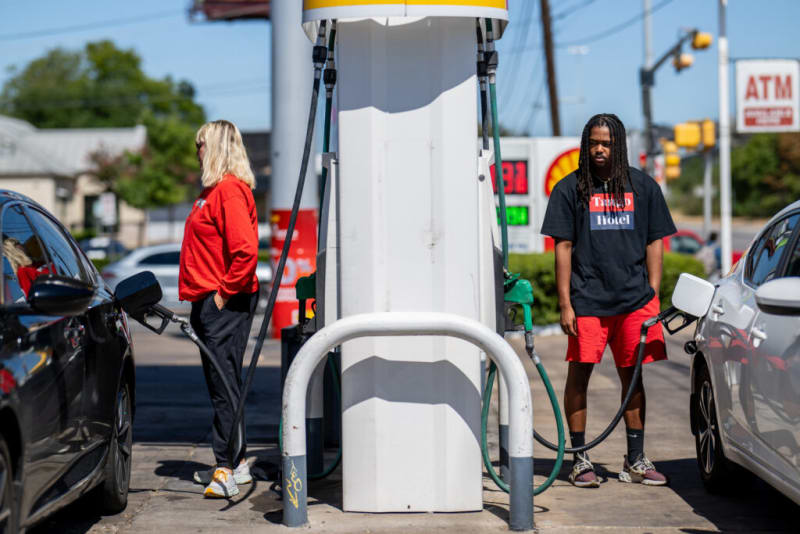
Imagine pulling up to one of your city's last gas stations, kept running by government support because private companies can't make the math work anymore. In parts of California with high electric vehicle adoption, this could happen as soon as the mid-2030s.
Researchers Emily Grubert and Joshua Lappen from the University of Notre Dame just published a study in the journal Science about what happens when fossil fuel industries hit their tipping point. Their message is clear: leaders need to start planning now for the economic ripple effects.
"There are some systems where we're already there," Grubert told Inside Climate News. She points to the United Kingdom, where the government took over the country's last primary steel mill to preserve jobs and maintain local production. The same pattern could play out with gas stations.
The shift is already visible in California. Fuel refineries are closing as demand drops and environmental compliance costs rise. When refineries close, the remaining ones have to ship fuel over longer distances, driving up costs and making it harder for gas stations to stay profitable.
Lappen warns that gas station closures could happen suddenly. "You can't go below a certain minimum density of gas stations," he explains. Once a region hits that threshold, the whole system becomes unstable.
Some forecasters still predict global oil demand will grow through 2050. But Grubert and Lappen say those models assume the world does little more to address climate change. They don't account for how small demand shifts can trigger big consequences in industries built on steady consumption.
The Bright Side
This transition doesn't have to mean chaos. The researchers argue that planning ahead can help communities protect jobs, ensure fair access to transportation, and manage the shift smoothly. Some regions are already investing in charging infrastructure and retraining programs for workers in fossil fuel industries.
The UK's steel industry takeover shows governments can step in to cushion the blow while supporting the transition to cleaner alternatives. With enough foresight, the same approach could help gas station workers and communities adapt as electric transportation becomes the norm.
The key is starting the conversation now, while there's still time to build support systems and alternative pathways.
Communities that plan ahead won't just survive the energy transition—they'll be positioned to thrive in it.
Based on reporting by Inside Climate News
This story was written by BrightWire based on verified news reports.
Spread the positivity!
Share this good news with someone who needs it