California Hospital Offers Life-Saving Heart Valve Procedure
Patients who were once too sick for open-heart surgery now have a second chance at life thanks to a groundbreaking minimally invasive procedure. Loma Linda University Medical Center in Murrieta became the first in its region to perform the new mitral valve replacement.
For years, thousands of heart patients faced an impossible choice: risk dying on the operating table or slowly deteriorate at home. In late February, a California hospital changed that equation.
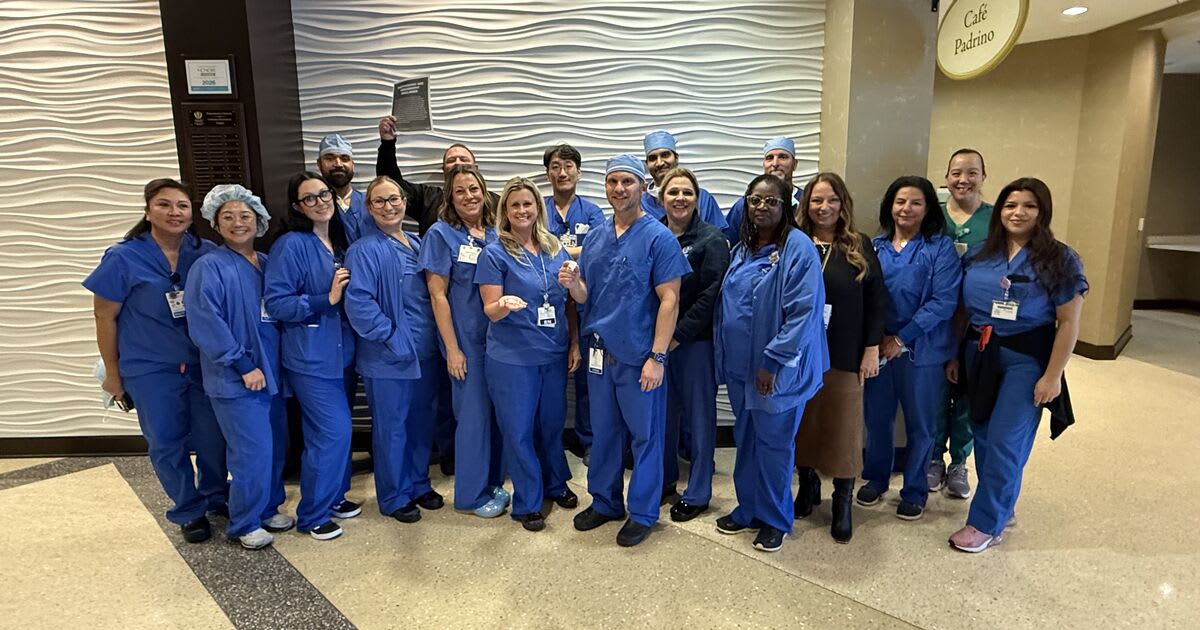
Loma Linda University Medical Center in Murrieta became the first hospital in its region to complete a new minimally invasive mitral valve replacement. The hospital is among just a handful of centers nationwide selected to launch this technology.
The mitral valve keeps blood flowing in the right direction through your heart. When it fails, patients experience dizziness, fatigue, and chest pain. Left untreated, the condition leads to life-threatening arrhythmia, heart failure, and stroke.
Until now, patients with severe mitral valve disease faced limited options. Open-heart surgery worked for some, but many patients were too sick to survive it. Edge-to-edge repair helped others, but complex anatomy made some cases impossible to treat.
Dr. Niraj Parekh, medical director of the Heart and Vascular Center at LLUMC-Murrieta, explains the challenge. "Replacing a mitral valve through a minimally invasive approach wasn't possible because the valve's structure is extremely complicated," he says.
That left a heartbreaking gap. Patients who couldn't undergo traditional surgery had one-year mortality rates that soared due to recurrent heart failure and cardiac arrest.
The new FDA-approved device solves this problem with a fully transcatheter approach. Doctors insert the replacement valve through the skin, avoiding the need to crack open the chest.
The recovery speaks for itself. Most patients spend just one night in the hospital and go home the next day. Compare that to weeks of recovery from open-heart surgery.
Why This Inspires
This breakthrough represents more than medical innovation. It's a lifeline for people who had run out of options.
"It's rewarding to see how quickly people return to their daily lives," Dr. Parekh says. "And even more meaningful to see the improvement in their quality of life."
The procedure gives hope to patients who once planned their funerals instead of their futures. Grandparents can now attend graduations they thought they'd miss. Parents can watch their children grow up.
As this technology expands to more hospitals nationwide, thousands of families will get unexpected second chapters together.
Based on reporting by Google News - New Treatment
This story was written by BrightWire based on verified news reports.
Spread the positivity!
Share this good news with someone who needs it