Cambodia Frees Opposition Leader After 27-Year Sentence
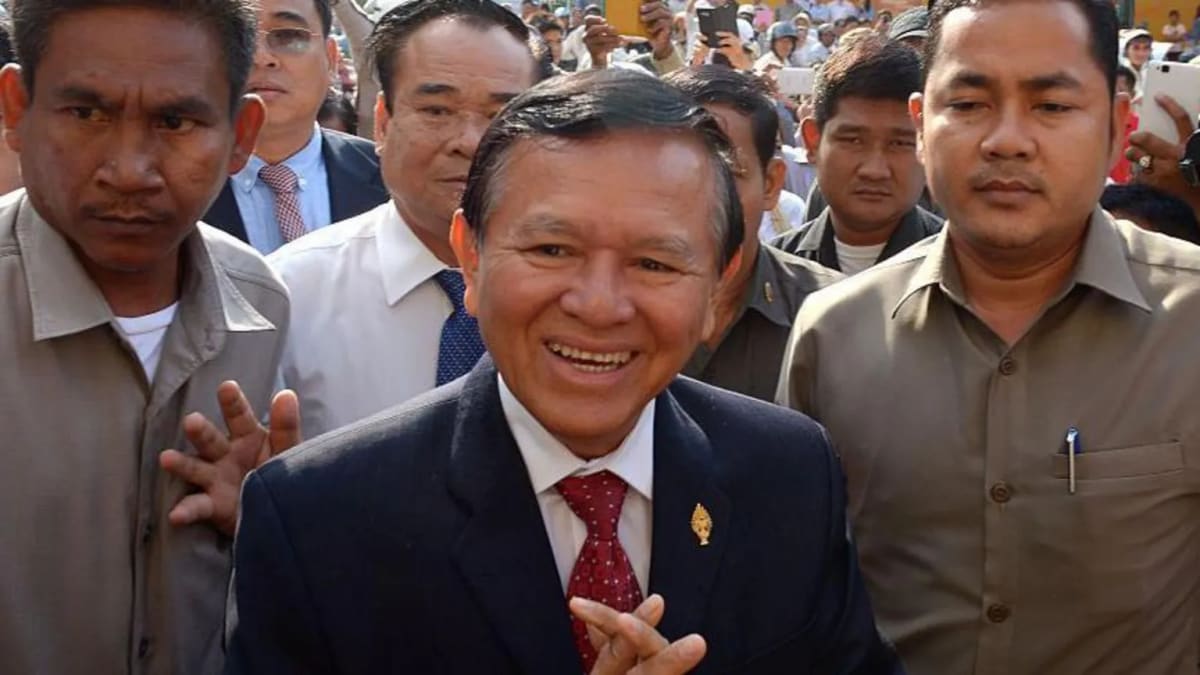
After years of house arrest on treason charges called politically motivated, Cambodia's former opposition leader Kem Sokha has received a royal pardon. The move signals a potential shift in a country long criticized for silencing political voices.
Cambodia's former opposition leader Kem Sokha walked free this week after receiving a royal pardon, ending a sentence that human rights groups worldwide condemned as unjust.
Sokha led the Cambodian National Rescue Party until his arrest in 2017 on treason charges. His crime? A video where he mentioned receiving support from US pro-democracy groups. He spent years under house arrest after a 2023 conviction that international observers denounced as politically motivated.
Hun Sen, Cambodia's acting head of state and former prime minister of nearly four decades, signed the royal decree on behalf of King Norodom Sihamoni. The pardon came just weeks after courts rejected Sokha's appeal, suggesting few expected this outcome.
The timing matters because Sokha's party nearly won Cambodia's 2013 general election. His 2017 arrest happened less than a year before the next election, which his party was then banned from contesting. The pattern raised serious questions about political freedom in the Southeast Asian nation.
The Bright Side
While Sokha still faces a five-year travel ban, his release represents a rare reversal in Cambodia's treatment of opposition voices. International pressure and sustained attention from human rights organizations kept Sokha's case in the spotlight for years. That persistence appears to have made a difference.
The pardon also arrives as Cambodia seeks stronger international relationships and economic partnerships. Countries increasingly factor human rights records into trade and diplomatic decisions. Sokha's freedom could open doors that years of isolation had closed.
For everyday Cambodians who supported the opposition movement, the news brings hope that political participation doesn't have to mean imprisonment. Young voters who watched Sokha's arrest as teenagers are now adults with fresh expectations for their democracy.
Cambodia still has far to go in protecting political freedoms, but this decision proves change remains possible even in systems that seem immovable.
Based on reporting by Myjoyonline Ghana
This story was written by BrightWire based on verified news reports.
Spread the positivity!
Share this good news with someone who needs it