Cambridge Squeezes EV Batteries, Doubles Their Lifespan
Scientists at Cambridge University discovered that keeping electric vehicle batteries under constant pressure could double how long they last. The breakthrough could transform the EV market and reduce the environmental impact of battery production.
Electric vehicle batteries might last twice as long thanks to a surprisingly simple discovery: just squeeze them.
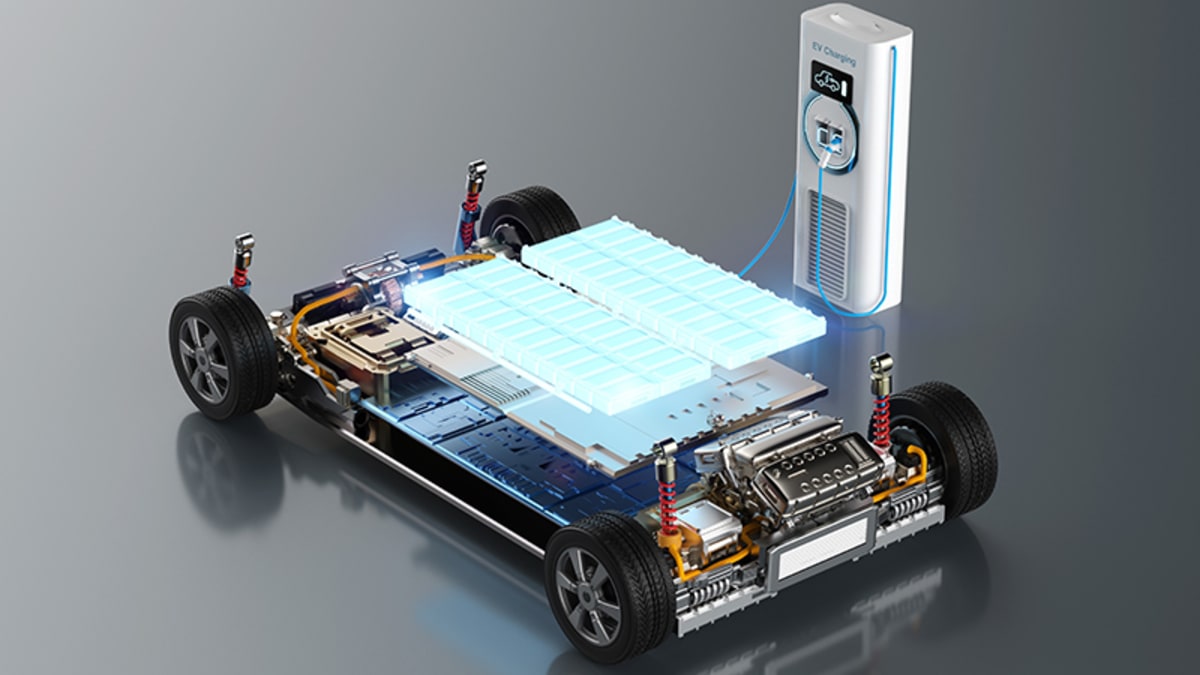
Engineers at the University of Cambridge found that keeping lithium-ion batteries under constant pressure dramatically extends their lifespan. The gains are remarkable in an industry where most improvements add just 5 to 10% better performance.
Professor Michael De Volder from Cambridge's Department of Engineering wondered if mechanics, not just chemistry, held the key to better batteries. As batteries charge and discharge, they physically expand and contract when ions move between the anode and cathode.
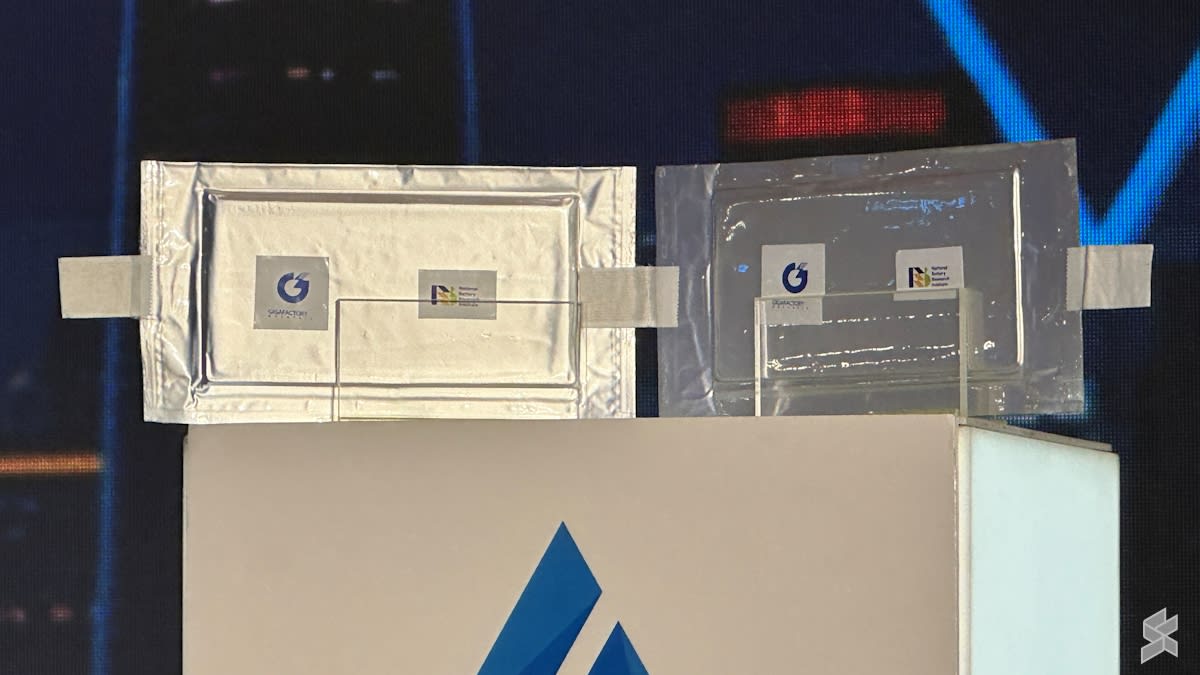
"Batteries don't tend to like this cycle of stress and release," De Volder explained. His team built a device using pneumatic bellows, small air-filled cushions that act like a self-adjusting clamp, to maintain continuous pressure on commercial pouch cell batteries.
The secret turned out to be finding the sweet spot. The team discovered that about 12.5 bar of pressure, roughly four times what standard coin cell batteries experience, keeps batteries healthiest throughout their charge cycles.
Too much pressure causes lithium plating on the anode. Too little lets the cathode crack and degrade.
"We found that when you keep the pressure on them relatively constant throughout each charge and discharge cycle, it's much better for the overall lifetime of the battery," De Volder said. The best part? They didn't need to change anything about the battery's chemistry or materials.
The Ripple Effect
This breakthrough could reshape the second-hand EV market, making electric vehicles more affordable and accessible. Longer-lasting batteries mean fewer replacements and less strain on recycling systems that currently struggle to handle battery waste.
The environmental benefits extend beyond recycling. Mining the raw materials for new batteries often happens in extremely poor conditions, creating ecological disasters while trying to solve climate problems.
"We've produced a solution for cleaner electric cars, but we have to make sure that on the back of it, we are not creating new ecologic disasters in other parts of the world," De Volder noted. Reducing demand for newly mined materials could ease pressure on these troubled operations.
The technology has been tested successfully in the lab, and Cambridge Enterprise has filed a patent. The research, supported by the European Research Council and UK Research and Innovation, was published in Nature Energy.
Scaling up for commercial applications is the next challenge, but the foundation is promising: better batteries through better engineering, not just better chemistry.
More Images


Based on reporting by Google News - Researchers Find
This story was written by BrightWire based on verified news reports.
Spread the positivity!
Share this good news with someone who needs it