Camera Traps Clear Endangered Tapirs in Honduras
Scientists just proved that endangered Baird's tapirs weren't destroying cassava crops in Honduras after all. The real culprits? Cottontail rabbits.
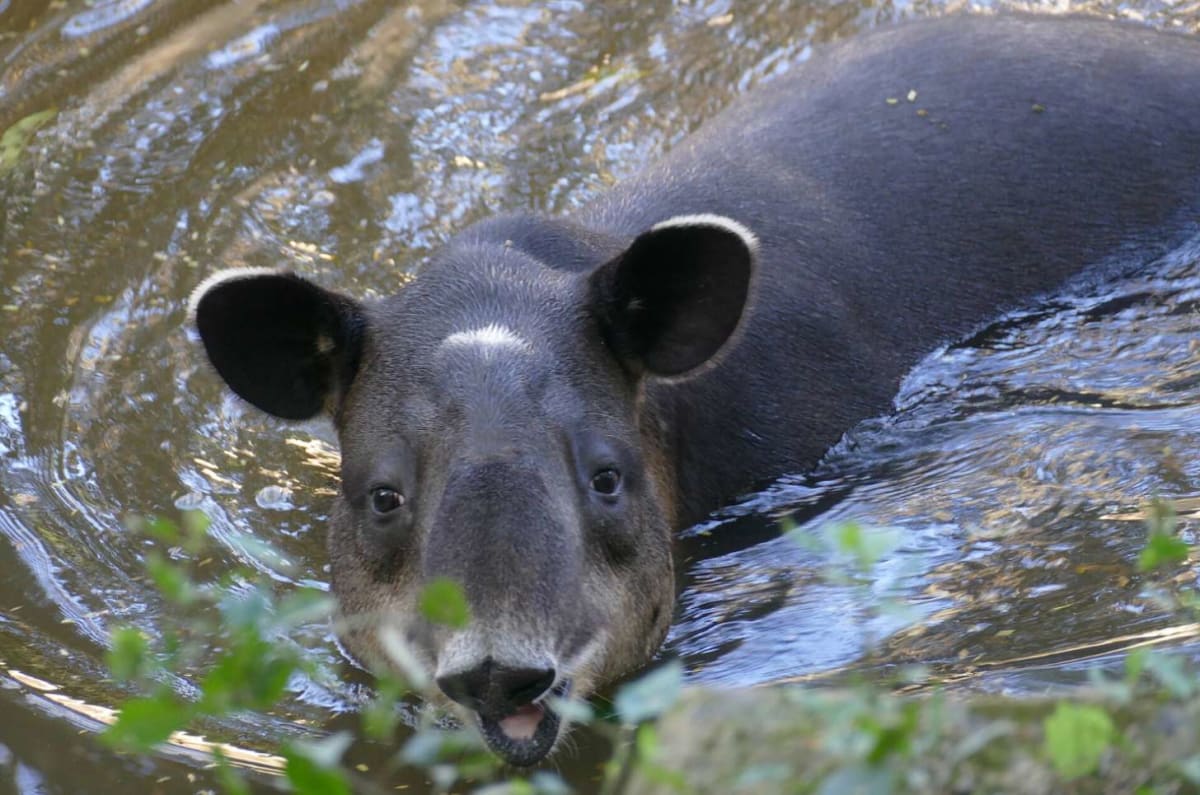
For years, farmers in the Miskitu community of Mavita, Honduras, believed endangered Baird's tapirs were destroying their cassava fields. These massive mammals, weighing up to 660 pounds and standing as tall as small donkeys, seemed like the obvious suspects.
But scientists had a hunch the locals might be wrong. When the Wildlife Conservation Society heard that farmers were hunting tapirs in retaliation, they knew they had to act fast.
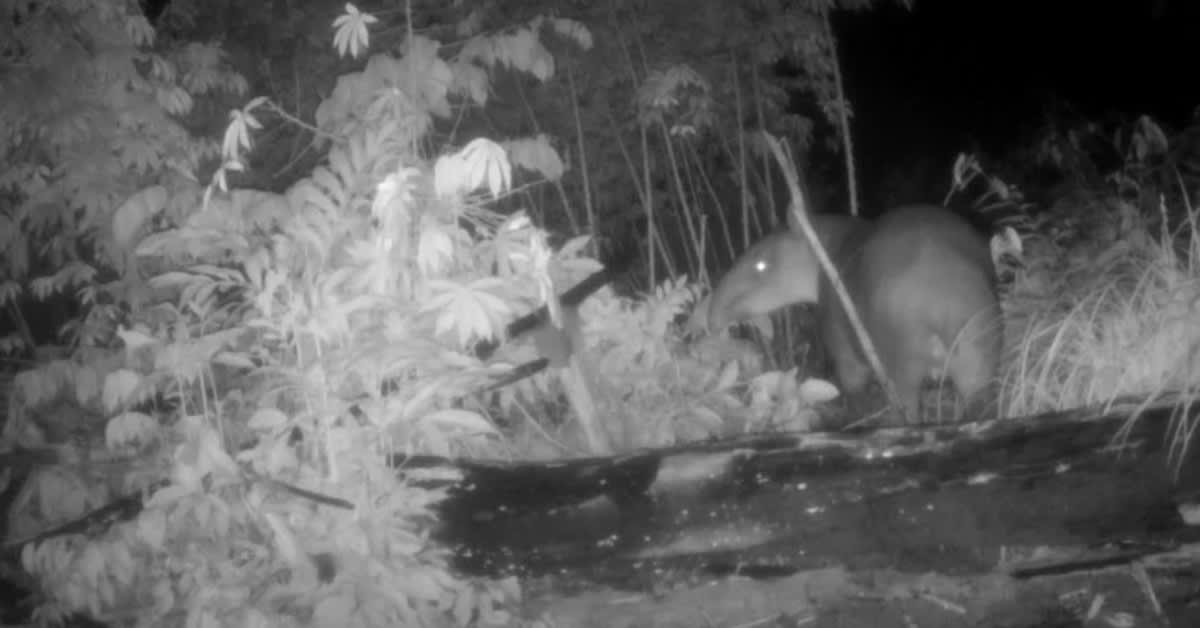
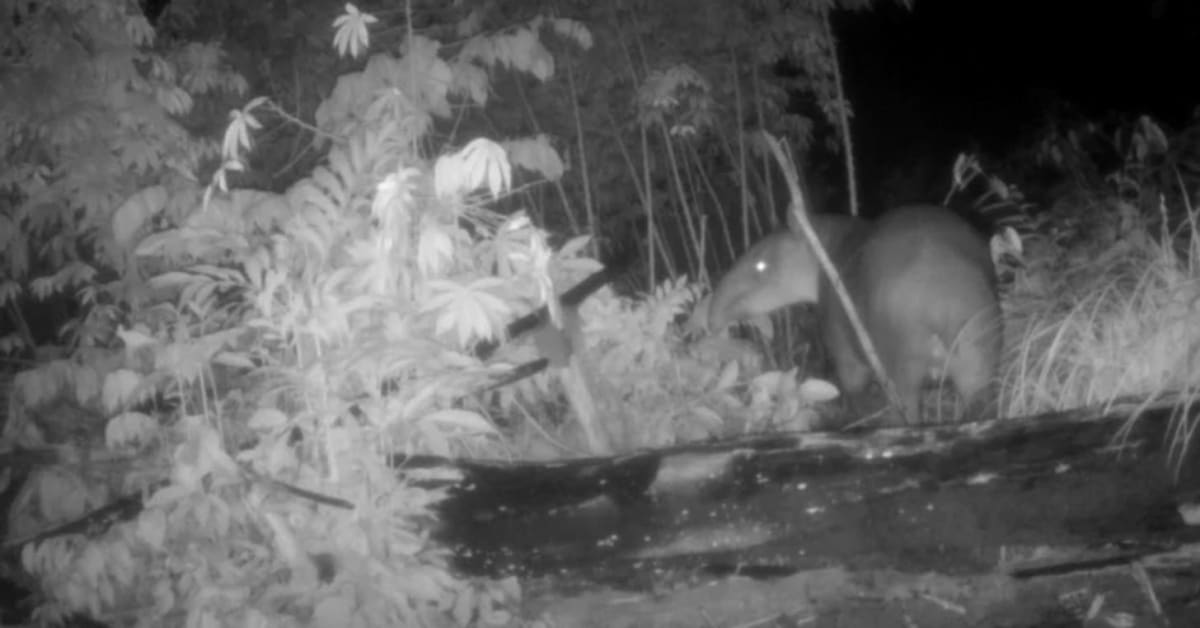
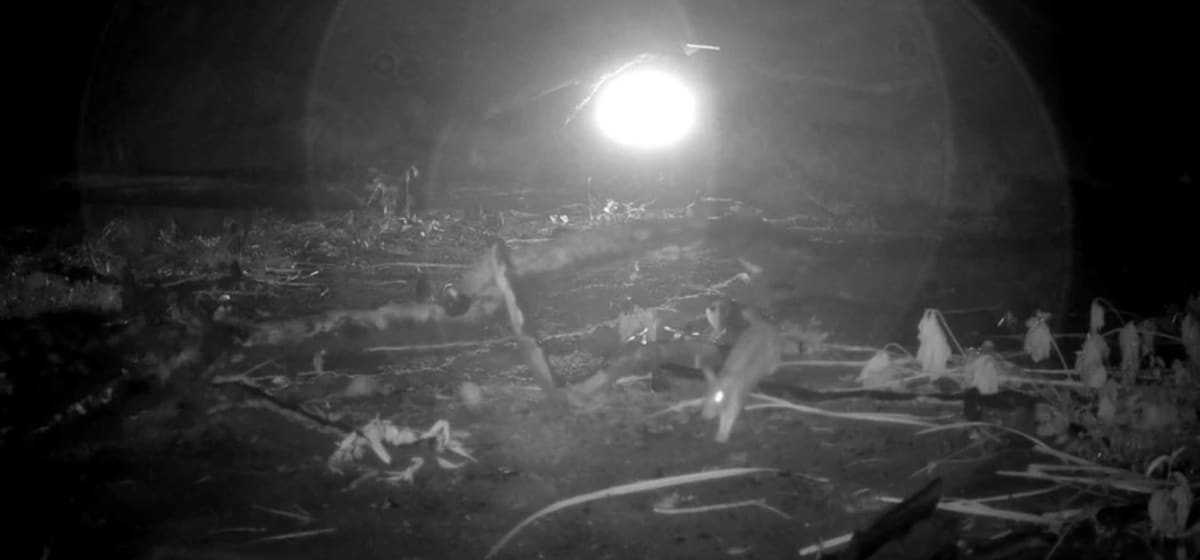
The researchers set up solar-powered camera traps with motion-activated lights across a 24-acre cassava field. For weeks, the cameras silently recorded every animal that wandered through the crops under the cover of darkness.
The results stunned everyone. Honduran cottontail rabbits, not tapirs, were the primary crop raiders caught on camera. The endangered tapirs showed up far less frequently than expected, and two other blamed species, armadillos and pacas, didn't appear to be eating cassava at all.
"What surprised me most was discovering that the species most frequently blamed by local people was not the one causing most of the crop interactions," said lead author Manfredo Turcios-Casco. Without evidence, it's easy to blame large and conspicuous animals.
The Ripple Effect
This discovery matters far beyond one Honduran village. Baird's tapirs have lost 50% of their population in just 30 years due to habitat loss and hunting. They've already disappeared entirely from El Salvador and Ecuador.
These gentle giants aren't pests. They're actually "gardeners of the forest," consuming and spreading seeds from 200 plant species as they roam through Central America's rainforests and pine forests. When tapirs thrive, entire ecosystems benefit.
The camera trap findings have already changed how the Miskitu community views these endangered animals. By separating perception from reality, scientists saved tapirs from continued retaliatory hunting while helping farmers understand the real source of their crop losses.
The researchers now recommend using camera traps to investigate human-wildlife conflicts across Central America. Many conservation conflicts begin with assumptions, and accurate identification prevents communities from harming species that need protection most.
Evidence-based solutions protect both farmers' livelihoods and the endangered species that keep forests healthy.
More Images

Based on reporting by Good Good Good
This story was written by BrightWire based on verified news reports.
Spread the positivity!
Share this good news with someone who needs it