Can Viral Hippo Moo Deng Help Save Her Endangered Species?
Baby pygmy hippo Moo Deng became an internet sensation in 2024, but her fame hasn't translated into major conservation wins yet. Scientists studying viral animal celebrities say sustained community effort, not just memes, is what actually protects endangered species.
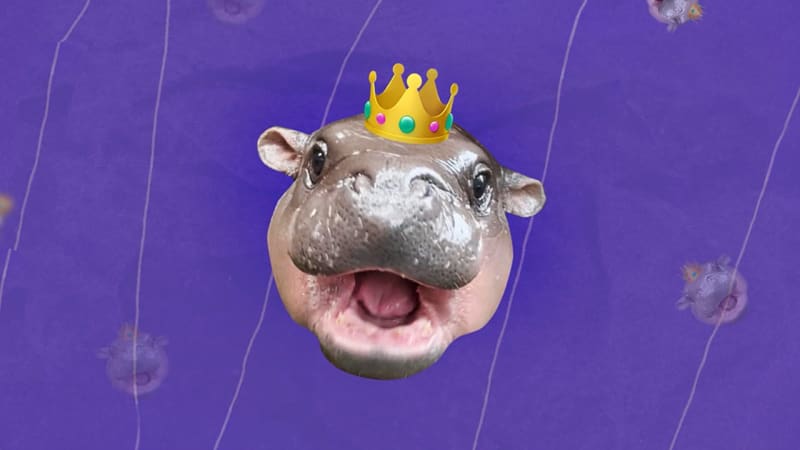
When a chubby baby hippo named Moo Deng started bouncing around her Thai zoo enclosure in 2024, the internet lost its mind. Her sassy attitude and adorable face launched millions of memes, tripled zoo visitors, and made pygmy hippos suddenly famous worldwide.
There's just one problem: pygmy hippos are endangered, with fewer than 3,000 left in the wild. Professor Monique Pool, who runs a pygmy hippo conservation program in West Africa, hoped Moo Deng's viral fame might finally bring attention and funding to save the species.
The results were disappointing. Despite drawing 12,000 guests to Moo Deng's first birthday party, the zoo partnership generated only two small donations for conservation work. Pool hasn't seen a major increase in interest for protecting wild pygmy hippos either.
But viral fame can work for conservation when done right. Researchers studying Hermes, a caracal wildcat in Cape Town, South Africa, found his internet celebrity status made locals care deeply about protecting urban wildlife. Since 2014, scientists have shared their caracal research on social media, building genuine community engagement over time.
The Ripple Effect
The difference wasn't just cute photos. The Urban Caracal Project turned public fascination into actual conservation action by inviting Cape Town residents to report caracal sightings through their website. Citizen reports have grown steadily each year, creating valuable data that helps scientists understand how urban development affects these cats and how to protect them better.
Pool sees the bigger picture too. Protecting pygmy hippos means protecting entire West African forest ecosystems, including red colobus monkeys, chimpanzees, forest buffalo, and countless amphibians and reptiles. Her team has celebrated an annual Pygmy Hippo Day for over a decade, slowly building local awareness in the communities that live alongside these rare animals.
The threats facing pygmy hippos are serious: habitat loss, poaching, logging, gold mining, and climate change. These are human problems requiring human solutions, and Pool believes education matters more than viral moments.
Moo Deng's story teaches an important lesson about conservation. Cute faces and internet fame can open doors, but saving endangered species requires sustained effort, community involvement, and genuine connection between people and wildlife. A few weeks of memes won't save pygmy hippos, but years of patient conservation work just might.
Pool remains hopeful that Moo Deng's platform will eventually translate into real support for wild pygmy hippos, proving that even the smallest celebrity can make a big difference.
More Images


Based on reporting by Google: species saved endangered
This story was written by BrightWire based on verified news reports.
Spread the positivity! 🌟
Share this good news with someone who needs it