Leatherback Turtles Return to Nicaragua After 5-Year Absence
After five years without a single nest, critically endangered leatherback turtles are returning to Nicaragua's beaches in numbers that have conservationists cautiously celebrating. Ten nests have already been found this season, offering hope for a species that's been around since dinosaur times.
For the first time in half a decade, the ancient giants of the sea are coming home to Nicaragua.
Leatherback turtles, massive reptiles that have survived since the age of dinosaurs, are nesting again on Nicaragua's Pacific coast after years of alarming absence. At Veracruz de Acayo beach, once a thriving nesting ground, five entire seasons passed without a single leatherback nest. Another hotspot, Salamina-Costa Grande, went two full years without seeing these prehistoric creatures return.
The stakes couldn't be higher. Since the 1980s, the eastern Pacific leatherback population has crashed by over 90 percent, dropping from thousands of nesting females to just a few hundred. Between 2020 and 2025, conservation teams with Fauna & Flora and local partners recorded only 33 nests total across all their monitoring sites.
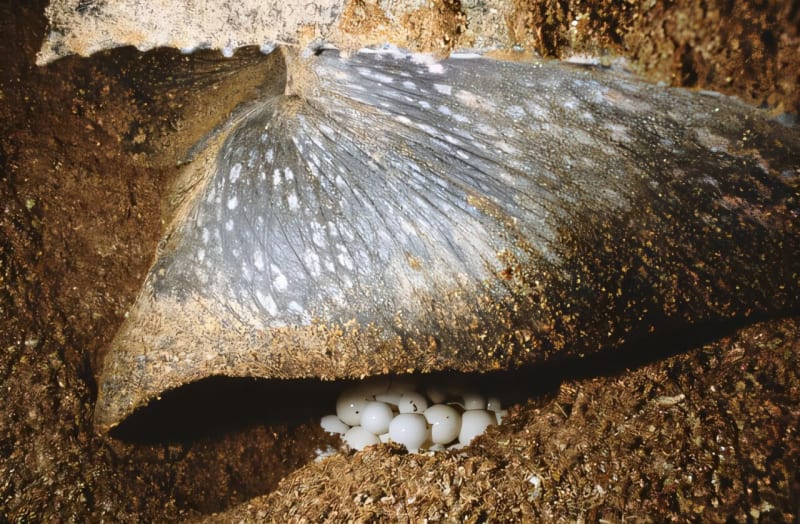
Then November 2025 brought the breakthrough everyone had been waiting for. The first leatherback emerged from the waves at Nicaragua's shores, and conservation teams sprang into action. Working with the Gran Pacifica Resort Nursery, they carefully moved her eggs to a protected location, safe from poachers and predators until the hatchlings are ready to swim to sea under the cover of night.
Since that first discovery, nine more nests have been found along the coast. Four appeared at Salamina-Costa Grande, where the turtles had been missing for two seasons. Most significantly, Veracruz de Acayo welcomed its first nest in five years.
The Ripple Effect: This comeback mirrors another recent victory for sea turtles. Just months ago, green turtles were officially downgraded from endangered to Least Concern on the global threat list, proof that dedicated conservation can turn the tide for species on the brink.
Local communities have been central to this success. Partner organizations like COOTUEPAM work alongside international conservationists, with community members watching over nesting sites and protecting every precious egg. Their president, Javier Mojica, personally monitored the first leatherback to return to Salamina Beach, a moment years in the making.
The nesting season is still young, and teams hope to protect many more clutches before it ends. Each egg represents a lifeline for a species that's weathered 100 million years of Earth's changes but nearly succumbed to recent human pressures.
Conservationists remain cautiously optimistic. They know recovery isn't guaranteed, especially with climate change bringing unpredictable storms and warming oceans. Long-term survival depends on continued protection not just at nesting beaches but throughout the coastal waters where leatherbacks spend their lives.
For now, though, the return of these gentle giants offers something precious: proof that patience, partnership, and protection can bring even the most endangered species back from the edge.
More Images




Based on reporting by Phys.org
This story was written by BrightWire based on verified news reports.
Spread the positivity! 🌟
Share this good news with someone who needs it