Vermont Protects 100s of At-Risk Species With New Plan
Vermont just unveiled a bold 10-year conservation plan to protect hundreds of endangered species, from tiny orchids to ancient lake sturgeon. The state is now asking residents to help shape the future of wildlife protection.
Vermont Fish & Wildlife has finished drafting an ambitious conservation roadmap that could change the future for hundreds of struggling species across the state.
The new Wildlife Action Plan targets creatures ranging from adorable southern bog lemmings to ancient lake sturgeon and delicate small whorled pogonia orchids. All share one thing in common: they're classified as Species of Greatest Conservation Need and face an uncertain future without help.
Dr. Rosalind Renfrew, who leads the department's Wildlife Diversity Program, spent two years working with biologists and scientists from the University of Vermont, Middlebury College, and conservation groups. Together, they identified which species need help most and mapped out practical strategies to save them.
The plan breaks new ground by focusing on protecting entire landscapes instead of individual species. Vermont is one of only a handful of states whose Wildlife Action Plan includes plants and fungi alongside animals.
"The speed and scale of threats like climate change and habitat loss mean that single-species conservation measures alone cannot keep pace," said Renfrew. By protecting whole habitats, one conservation project can help dozens of species at once.
The Bright Side
Vermont already has a head start thanks to Vermont Conservation Design, a strategic mapping system that identifies the most important landscapes for wildlife. The system pinpoints areas that support multiple species while also providing clean water and travel corridors for animals on the move.
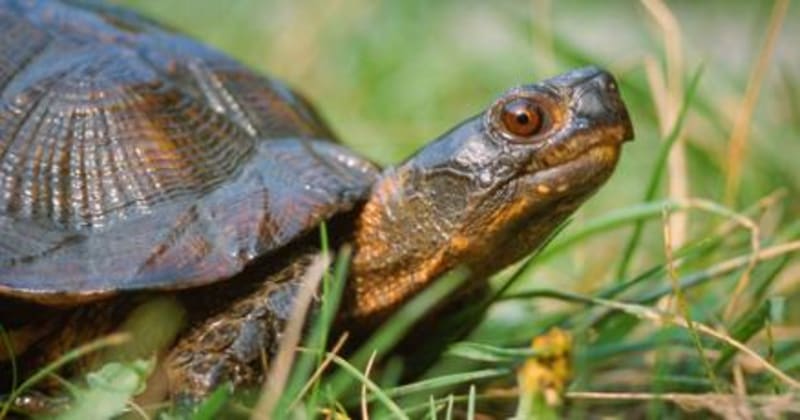
For species already listed as threatened or endangered, the plan focuses on boosting populations back to healthy levels. For species that aren't endangered yet but heading that direction, like the wood turtle, conservationists will work to stop the decline before it's too late.
Now comes the most important part: public input. Vermont residents can review the draft plan online and share their thoughts through February 27. The state is also hosting six public meetings in January and February where people can learn more and ask questions.
Every Vermonter gets a say in how their state protects biodiversity for the next decade.
More Images


Based on reporting by Google: species saved endangered
This story was written by BrightWire based on verified news reports.
Spread the positivity! 🌟
Share this good news with someone who needs it