Canada Fossils Push Back Complex Animal Life by 10M Years
Scientists discovered over 100 fossils in northwestern Canada that show complex animals evolved up to 10 million years earlier than we thought. The find reveals creatures could move and hunt millions of years before similar fossils found anywhere else.
For three billion years, Earth belonged to microbes. Then a fossil discovery in Canada's Northwest Territories just rewrote the timeline for when large, moving animals first appeared on our planet.
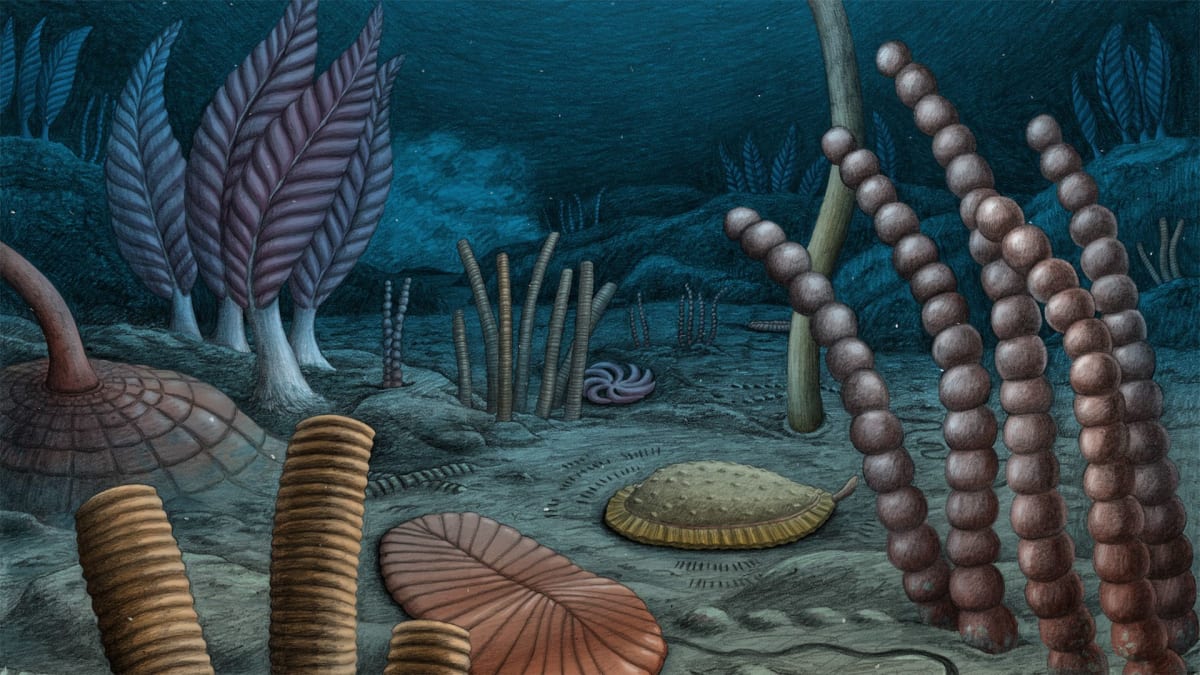
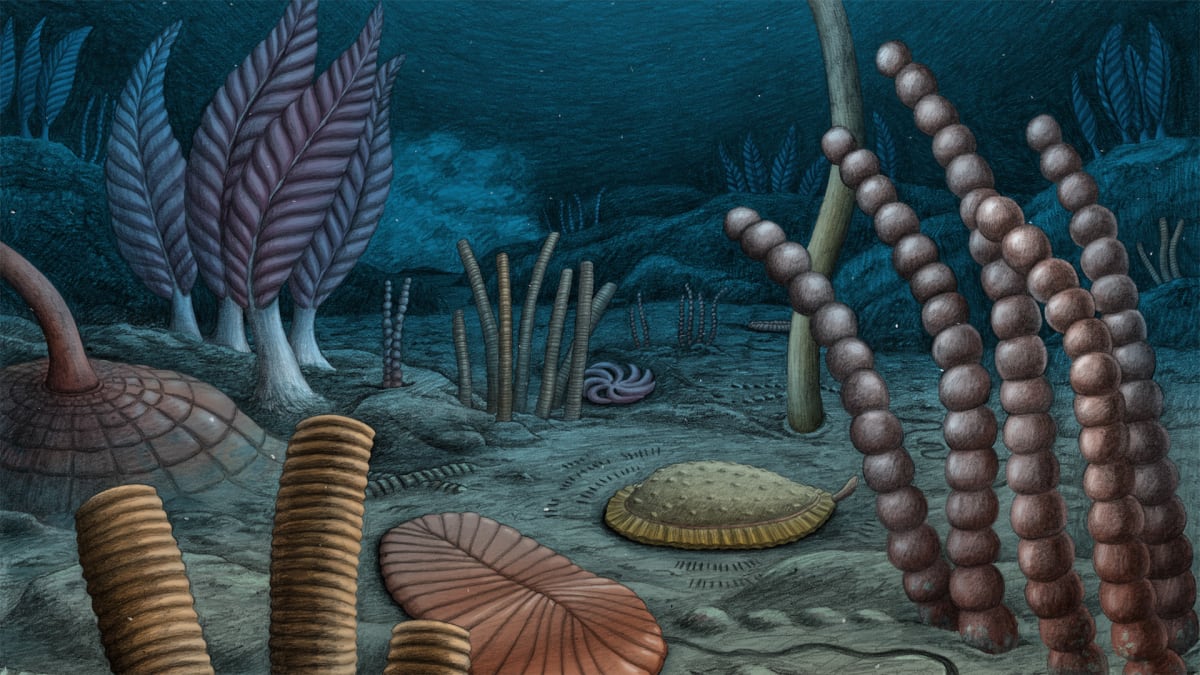
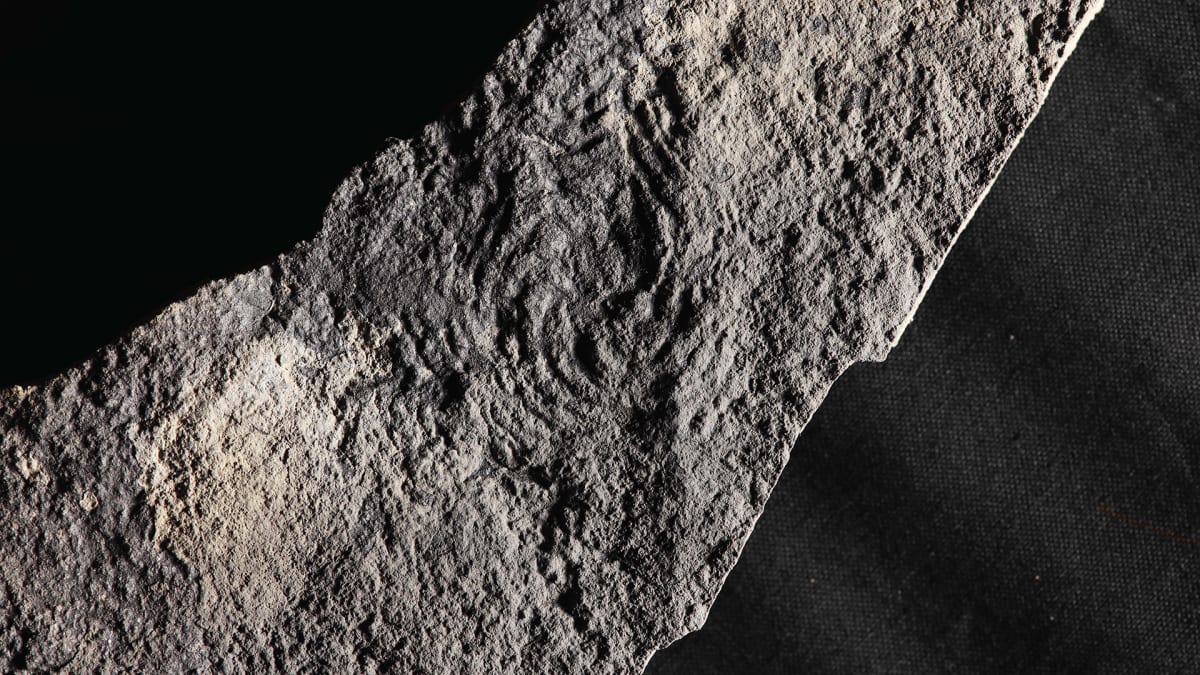
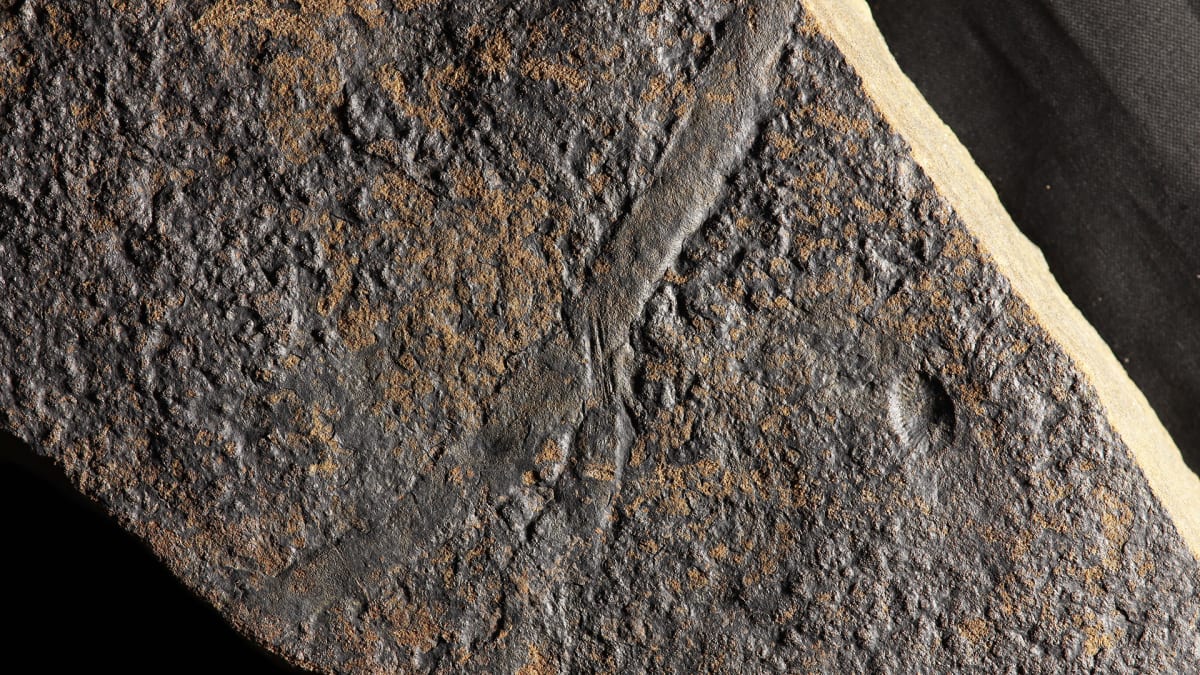
Researchers uncovered more than 100 fossils dating back 567 million years, including six species never before found in North America. The discovery pushes back the origins of animals that could move themselves to find food by several million years.
"We get these strange-looking marine animals big enough to see and capable of behaviors we would find familiar today," said Scott D. Evans, assistant curator at the American Museum of Natural History. The transition from microscopic life to visible, complex creatures represents one of Earth's most dramatic transformations.
Among the fossils: Dickinsonia, a flat oval organism that absorbed algae through its entire bottom surface. Scientists also found Funisia, a tube-shaped creature representing the oldest evidence of sexual reproduction in animals, and Kimberella, an early mollusk that may be the oldest fossil showing bilateral symmetry.
These species belong to what scientists call the White Sea assemblage, a group of animals previously only found in Europe, Asia, and Australia. The Canadian fossils date 5 to 10 million years earlier than their counterparts on other continents.
The discovery challenges assumptions about where complex life began. Based on sediment patterns, these creatures lived in deeper water than scientists previously believed possible for animals of this era.
The Ripple Effect
This finding flips conventional thinking about animal evolution on its head. Instead of starting in shallow waters and moving deeper, complex animals may have actually evolved in the deep ocean first.
"We think of the deep ocean as a dark, inhospitable place, but it is also relatively stable," Evans explained. Stable temperatures and oxygen levels in deep waters may have provided ideal conditions for early animal life to flourish.
The site sits in a previously unexplored part of the rock record, meaning scientists likely have more surprises waiting beneath Canadian soil. Given the regional geology, researchers believe northwestern Canada holds tremendous potential to reshape our understanding of when and how animals first became complex.
This window into ancient Earth shows that life found a way in one of the planet's most stable environments, setting the stage for all complex life that followed.
More Images

Based on reporting by Live Science
This story was written by BrightWire based on verified news reports.
Spread the positivity!
Share this good news with someone who needs it