Canadian Greenhouses Go Solar, Boost Tomato Yields by 38%
Scientists in Canada just cracked the code on sustainable greenhouses that grow more food while ditching fossil fuels entirely. The secret? See-through solar panels on the roof and smart heat pumps that work together like magic.
Growing tomatoes in greenhouses just became better for both farmers and the planet, thanks to a breakthrough that sounds almost too good to be true.
Researchers at Western University in Canada discovered that installing semi-transparent solar panels on greenhouse roofs doesn't just cut energy costs. It actually helps tomatoes grow better, boosting yields by up to 38% compared to traditional greenhouses.
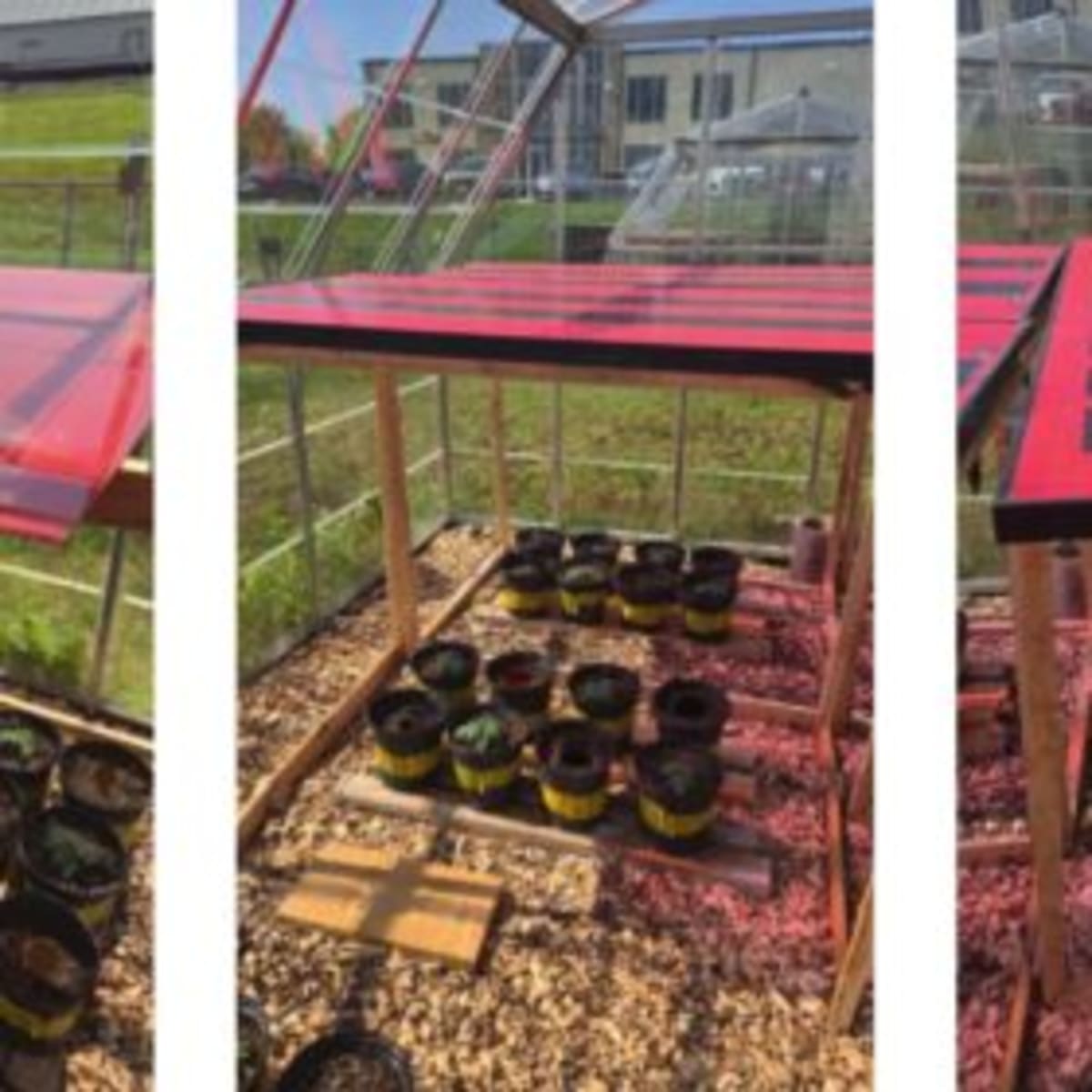
The team tested different types of see-through panels on cherry tomato plants over 19 weeks. They found that panels letting 69% of sunlight through created the perfect growing conditions, like the dappled shade beneath a tree canopy. Plants got enough light to thrive while avoiding the stress of harsh midday sun.
Lead researcher Joshua Pearce explains that crops often respond better to this mix of sun and shade than to constant full sunlight. The partial shading reduced heat stress while maintaining healthy chlorophyll levels, leading to more tomatoes per plant.
But the energy win goes even further. When the team paired these solar panels with electric heat pumps to replace traditional gas heaters, they eliminated fossil fuel use completely. Despite switching to all-electric heating, electricity use only increased by 1.5 times thanks to the efficiency of modern heat pumps.
The solar panels covered about 13% of the greenhouse's annual electricity needs. For complete energy independence, Pearce suggests pairing rooftop panels with ground-mounted solar arrays in surrounding fields, creating what he calls a "synergistic strategy" for year-round sustainable food production.
The experiments took place at two identical greenhouses in London, Ontario, where researchers carefully monitored everything from light levels to plant chlorophyll content. They tested crystalline silicon, cadmium telluride thin film, and luminescent solar concentrator modules, all with varying transparency levels.
Beyond just growing more food, the system dramatically slashed carbon emissions. Replacing natural gas heating with heat pumps eliminated greenhouse fossil fuel consumption while keeping operating costs reasonable. Economic analyses using local Ontario electricity and gas rates confirmed the approach makes financial sense for commercial growers.
The researchers published their findings in Energy and Buildings, noting this is the first study to examine how roof-mounted semi-transparent panels directly impact plant growth while providing greenhouse power. Previous studies looked at solar integration but missed this crucial connection between panel transparency and crop health.
The Ripple Effect
This innovation arrives at a perfect time. As communities worldwide seek ways to grow food sustainably while reducing emissions, these solar greenhouses offer a practical blueprint. The technology works with existing greenhouse designs and uses commercially available components, meaning farmers can adopt it now rather than waiting for future breakthroughs.
The implications stretch beyond tomatoes too. If semi-transparent solar works this well for greenhouse vegetables, it could transform how we produce fresh food in urban areas and colder climates where year-round growing currently requires massive energy inputs.
Pearce sees enormous potential in combining field-based solar farms with these partially powered greenhouses, creating behind-the-meter systems that make sustainable year-round production both economically viable and environmentally responsible.
More Images

Based on reporting by PV Magazine
This story was written by BrightWire based on verified news reports.
Spread the positivity!
Share this good news with someone who needs it