Cancer Vaccine Stops Melanoma Return in 1,137 Patients
A personalized mRNA cancer vaccine prevented deadly skin cancer from returning in over a thousand patients, marking the first successful Phase 3 trial for custom cancer treatment. The breakthrough could reach patients as soon as next year.
For the first time ever, scientists have proven that a personalized cancer vaccine can stop one of the deadliest skin cancers from coming back.
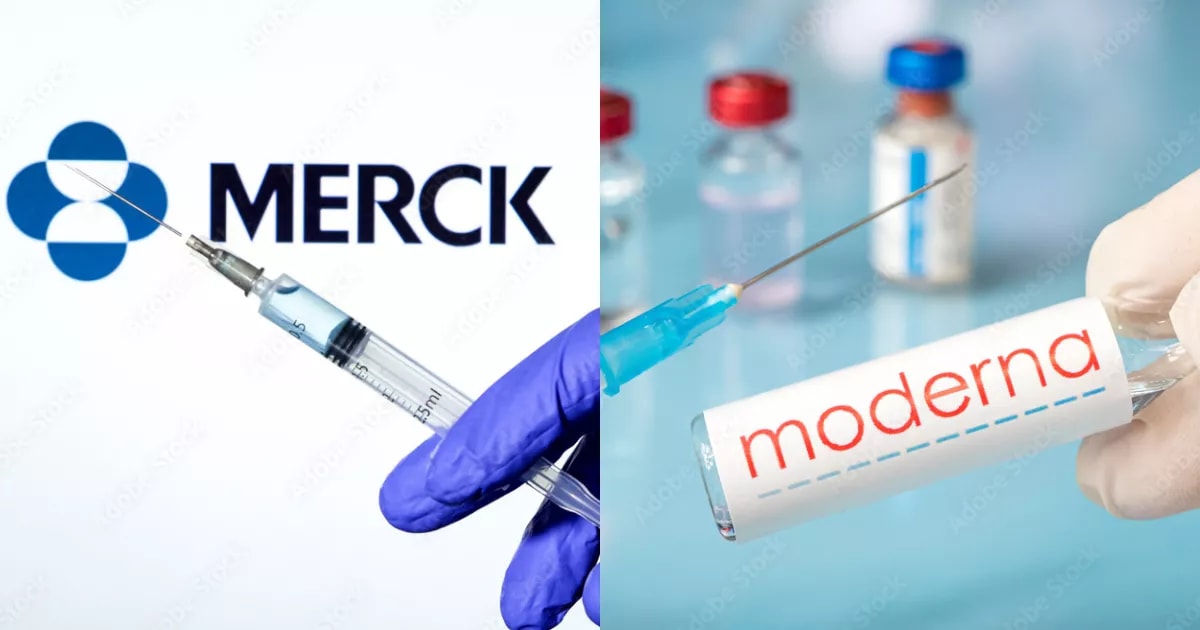
Moderna and Merck announced Wednesday that their experimental mRNA vaccine successfully prevented melanoma from returning in 1,137 high-risk patients who had undergone surgery to remove their tumors. The Phase 3 trial tested the personalized vaccine, called intismeran, combined with Merck's immunotherapy drug Keytruda against Keytruda alone.
The results exceeded expectations. The combination not only extended the time patients lived without cancer returning, but also reduced the risk of the disease spreading to distant organs.
Here's what makes this treatment revolutionary: doctors remove a piece of each patient's tumor and sequence its DNA to identify unique mutations. Using the same mRNA technology that powered COVID vaccines, they create a custom vaccine that teaches the patient's immune system to recognize and destroy any remaining cancer cells carrying those specific markers.
"This is the first time that we've seen really clinically significant, statistically significant improvements over checkpoints like Keytruda in this population," said Moderna President Stephen Hoge. He emphasized that achieving these results with an individualized treatment represents a major milestone.
The financial markets reflected the historic nature of the announcement. Moderna shares soared 177 percent to a two-year high, adding roughly $30 billion to the company's value. Merck rallied 12 percent to an all-time high.
The Ripple Effect
This breakthrough extends far beyond melanoma patients. The drugmakers are already running clinical trials testing similar personalized mRNA vaccines against lung, kidney, bladder, breast, and pancreatic cancers.
The technology represents a fundamental shift from traditional cancer treatments that use the same approach for every patient. Instead, each vaccine is custom-built to match a patient's unique cancer fingerprint, potentially making it far more effective.
Under its existing breakthrough therapy designation, the treatment could reach patients as soon as next year. Moderna and Merck plan to present detailed data at an upcoming medical meeting and have started discussions with regulatory agencies about approval.
The success sent ripples through the entire biotech sector, lifting the Nasdaq Biotechnology Index over 5 percent to a record high as investors recognized the implications for cancer treatment worldwide.
After decades of research into personalized medicine, this trial proves the concept can deliver real results for real patients facing life-threatening disease.
More Images

Based on reporting by Google News - Clinical Trial Success
This story was written by BrightWire based on verified news reports.
Spread the positivity!
Share this good news with someone who needs it