%3Amax_bytes(150000)%3Astrip_icc()%2FCannabis-Compounds-Reverse-Fatty-Liver-Disease-FT-DGTL0726-b37d8c4164cd41338ee3e866028de742.jpg)
Cannabis Compounds Show Promise Against Fatty Liver Disease
Two cannabis compounds reversed liver damage in obese mice, offering new hope for millions with the most common chronic liver disease worldwide. Scientists are cautiously optimistic but say human trials are needed next.
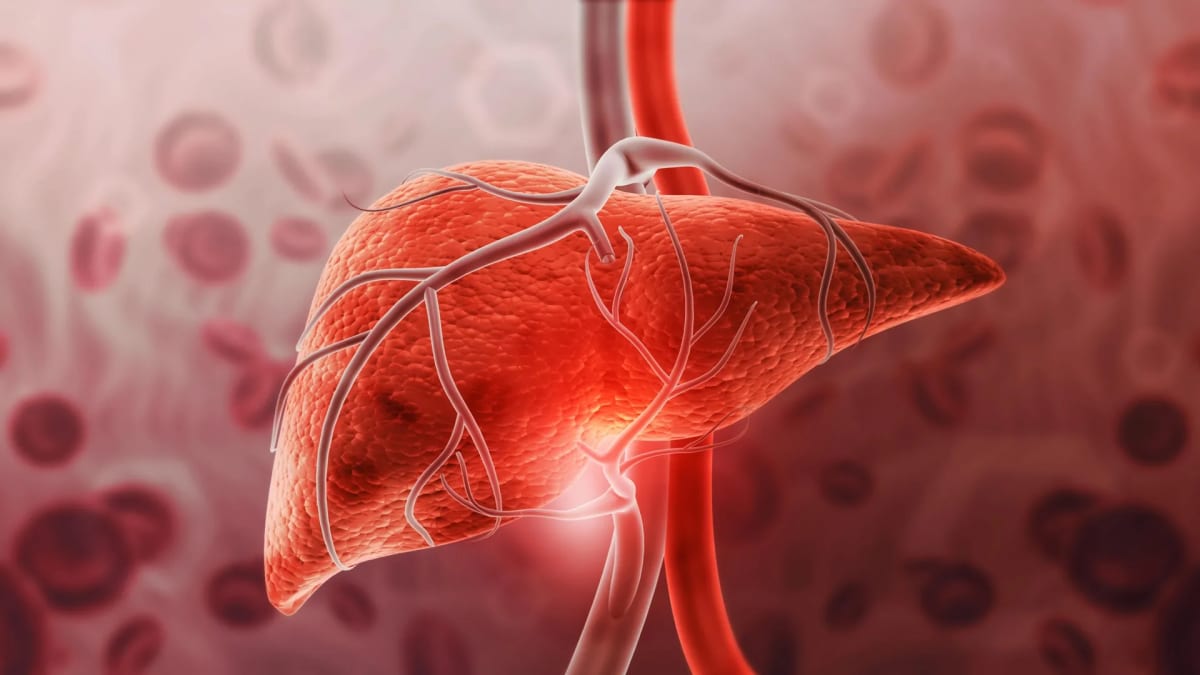
Scientists in Jerusalem just discovered that two compounds found in cannabis plants might help reverse fatty liver disease, a condition that now affects 38% of adults worldwide.
Researchers at Hebrew University gave obese mice daily doses of CBD and CBG, two non-intoxicating cannabis compounds. After just four weeks, the mice showed remarkable improvements: reduced liver fat, better blood sugar control, and healthier cholesterol levels.
The compounds appeared to work by helping liver cells produce energy more efficiently. Both CBD and CBG boosted levels of phosphocreatine, a molecule that acts like a cellular battery, giving liver cells the power they need to fight off damage from high-fat diets.
Even more promising, the compounds reactivated the liver's natural cleanup system. Liver cells contain tiny recycling centers called lysosomes that break down excess fat and waste. When these systems fail, harmful fats accumulate and cause disease. CBD and CBG appeared to restart this cleanup process, allowing the liver to clear out dangerous fat molecules.
CBG showed particularly strong results, corresponding with greater drops in body fat and bad cholesterol. It also improved insulin sensitivity, which could benefit people with type 2 diabetes.
Why This Inspires
This research opens an entirely new pathway for understanding liver health. Dr. Ayesha Bryant, a surgeon and clinical advisor at Alpas Wellness, points out that even if cannabis never becomes a treatment option, this discovery reveals how the body's endocannabinoid system influences liver function. That knowledge could inspire completely new treatments down the road.
The findings matter because metabolic dysfunction-associated steatotic liver disease (formerly called nonalcoholic fatty liver disease) has become a global health crisis. It's closely tied to obesity, type 2 diabetes, and heart disease. Currently, the only proven treatments are weight loss, exercise, and a Mediterranean-style diet.
Scientists caution against using cannabis for liver disease right now. The study only tested mice, and researchers haven't determined safe or effective doses for humans. They also don't know whether isolated compounds work better than whole-plant extracts, or what long-term side effects might emerge.
The next step is human clinical trials to answer these critical questions. Until then, the standard recommendations remain: maintain a healthy weight, stay active, and eat a balanced diet rich in vegetables, fruits, and healthy fats.
More Images
%3Amax_bytes(150000)%3Astrip_icc()%3Aformat(webp)%2Fandi-breitowich-portrait-FW25-2bbfd3d846cc4d39bedfe5b50ffc52fc.jpg)
%3Amax_bytes(150000)%3Astrip_icc()%3Aformat(webp)%2FCannabis-Compounds-Reverse-Fatty-Liver-Disease-FT-DGTL0726-b37d8c4164cd41338ee3e866028de742.jpg)
%3Amax_bytes(150000)%3Astrip_icc()%3Aformat(webp)%2FCannabis-Compound-Alzheimers-Inflammation-FT-DGTL0626-01-9d9b098d2c1b4245a2588b0b973c00df.jpg)
%3Amax_bytes(150000)%3Astrip_icc()%3Aformat(webp)%2FBroccoli-Sprouts-for-Prediabetes-FT-DGTL0126-7b5ec955a33c4c7596e85d67880d721b.jpg)
Based on reporting by Google News - Health
This story was written by BrightWire based on verified news reports.
Spread the positivity!
Share this good news with someone who needs it