Cape Cod Brings 445-Million-Year-Old Species Back to Life
A "living fossil" that survived five mass extinctions is thriving again at Cape Cod National Seashore after disappearing for 150 years. Thousands of horseshoe crabs now breed in a restored saltmarsh lagoon that was once closed off by industrialization.
After 150 years of absence, one of Earth's oldest survivors is making a remarkable comeback at Cape Cod National Seashore.
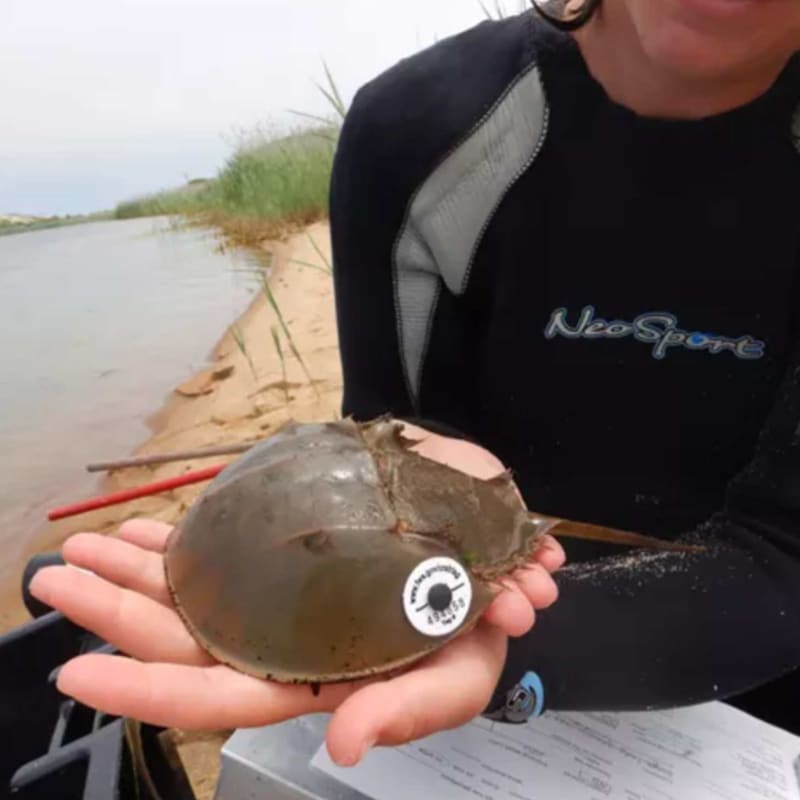
Horseshoe crabs, ancient arthropods that have lived through five extinction-level events over 445 million years, have returned to East Harbor by the thousands. The area had been closed off for industrialization, cutting the creatures off from their breeding grounds.
In 2008, the National Seashore convinced the town to let seawater flow back into the saltmarsh lagoon. What followed was nothing short of ecological magic.
Today, horseshoe crabs, clams, oysters, and quahogs thrive in numbers that would have seemed impossible just 17 years ago. Sophia Fox, an aquatic ecologist at the park, estimates that many of the horseshoe crabs breeding now actually hatched in this same restored habitat over 12 years ago.
Despite their prehistoric appearance, horseshoe crabs aren't actually crabs at all. These gentle arthropods serve as a critical food source for turtles, birds, and fish along the Atlantic Coast.
"They look like trouble, but they're not," says Lawrence Niles, who co-founded the Horseshoe Crab Recovery Coalition. His group works to protect the species, which faces declining populations due to overharvesting and pharmaceutical use of their bright blue blood to detect toxins in drugs and vaccines.
The Ripple Effect
The return of horseshoe crabs to East Harbor shows how restoring natural water flow can revive entire ecosystems. When one keystone species rebounds, countless others follow.
The success proves that even species facing modern industrial pressures can recover when we give nature the space it needs. National parks like Cape Cod are becoming laboratories for ecological restoration.
Fox calls it "our happy story in the world of doom and gloom," and the numbers back her up. A habitat that was dead for a century and a half now supports self-sustaining populations of some of Earth's most ancient creatures.
Sometimes saving a species is as simple as letting the water flow again.
More Images
Based on reporting by Good Good Good
This story was written by BrightWire based on verified news reports.
Spread the positivity!
Share this good news with someone who needs it