
Cape Cod Turns Great White Sharks Into $2.8B Tourism Boom
When hundreds of great white sharks started showing up at Cape Cod beaches, locals didn't panic. They created a thriving tourism industry that protects both people and predators.
Cape Cod faced a choice when great white sharks returned to its waters: fear them or find a way to live alongside them. The Massachusetts community chose coexistence, and it's paying off in ways nobody expected.
Around 800 individual white sharks now visit Cape Cod's waters each summer and fall, drawn by a rebounding seal population that grew from 2,000 to over 30,000 since 1972. Rather than scaring tourists away, the sharks are bringing them in.
The region's tourism economy jumped from $2 billion in 2019 to nearly $2.8 billion today. Visitors are spending money differently, trading traditional beach days for shark-watching adventures and poolside relaxation.
The Atlantic White Shark Conservancy now runs charter trips where guests can spot sharks for $500 per person or book private excursions for $2,500. These trips book up weeks in advance, with visitors using hydrophones to detect tagged sharks and logging sightings that support ongoing research.
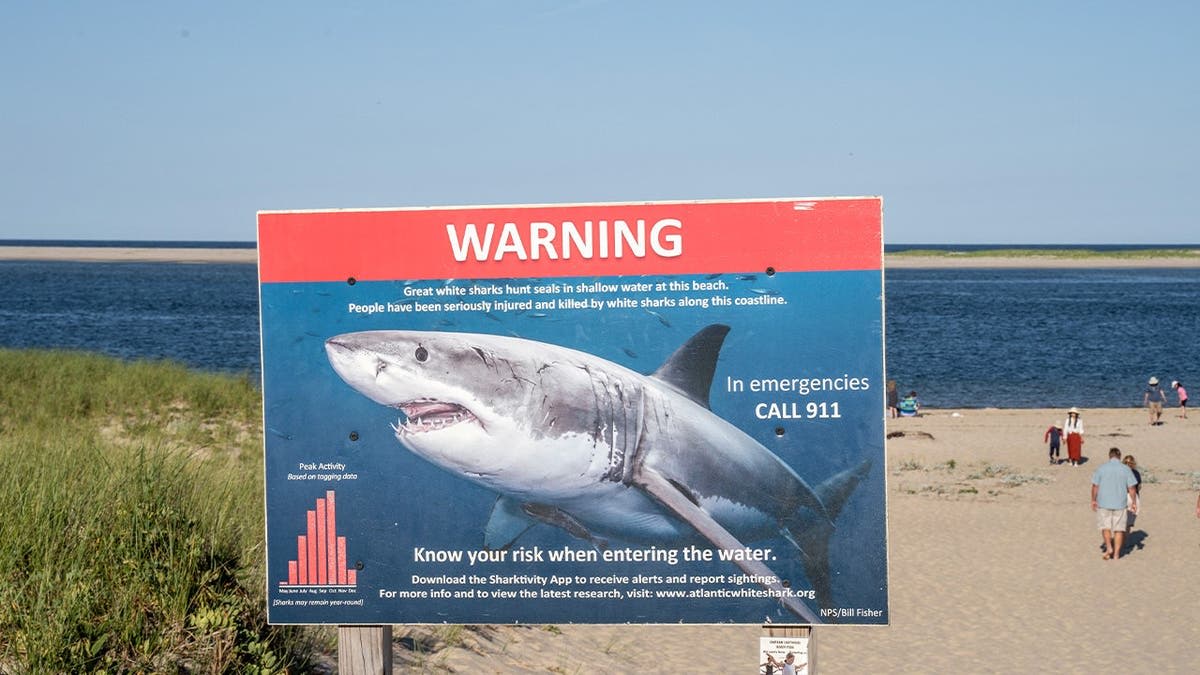
A free app called Sharktivity keeps beachgoers informed with real-time shark alerts near public beaches. Purple flags signal recent sightings, while "Stop the Bleed" rescue kits and warning signs help keep swimmers safe.
The transformation didn't happen by accident. Local businesses adapted quickly, with one pool company even advertising "shark free swimming" on its trucks as pool demand spiked.
The Ripple Effect
This story shows what's possible when communities choose adaptation over panic. Cape Cod's approach protects an apex predator while keeping people safe and creating economic opportunity.
The sharks haven't become more aggressive or changed their hunting patterns, according to the conservancy. They're simply doing what they've always done: following their food source into shallow coastal waters.
Safety measures work. Despite three shark encounters since 2012, including one tragic fatality in 2018, millions of visitors have safely enjoyed Cape Cod's beaches by following simple guidelines like swimming in groups and avoiding seals.
Hannah Leary, the conservancy's ecotourism coordinator, captures the uniqueness of the situation perfectly. "The fact that we can go out and see them in a two-and-a-half-hour charter is incredibly unique," she told reporters. "We can just come out of the inlet and they're all right there."
Visitors like Philadelphia resident Lisa DonDiego sum up the new mindset: "I recognize that the ocean belongs to them. But I still want to come to Cape Cod."
Cape Cod proves that humans and apex predators can share space when communities invest in education, safety, and smart tourism.
More Images



Based on reporting by Fox News Latest Headlines (all sections)
This story was written by BrightWire based on verified news reports.
Spread the positivity!
Share this good news with someone who needs it