Cave Reveals 4,000 Years of Copper Mining in the Pyrenees
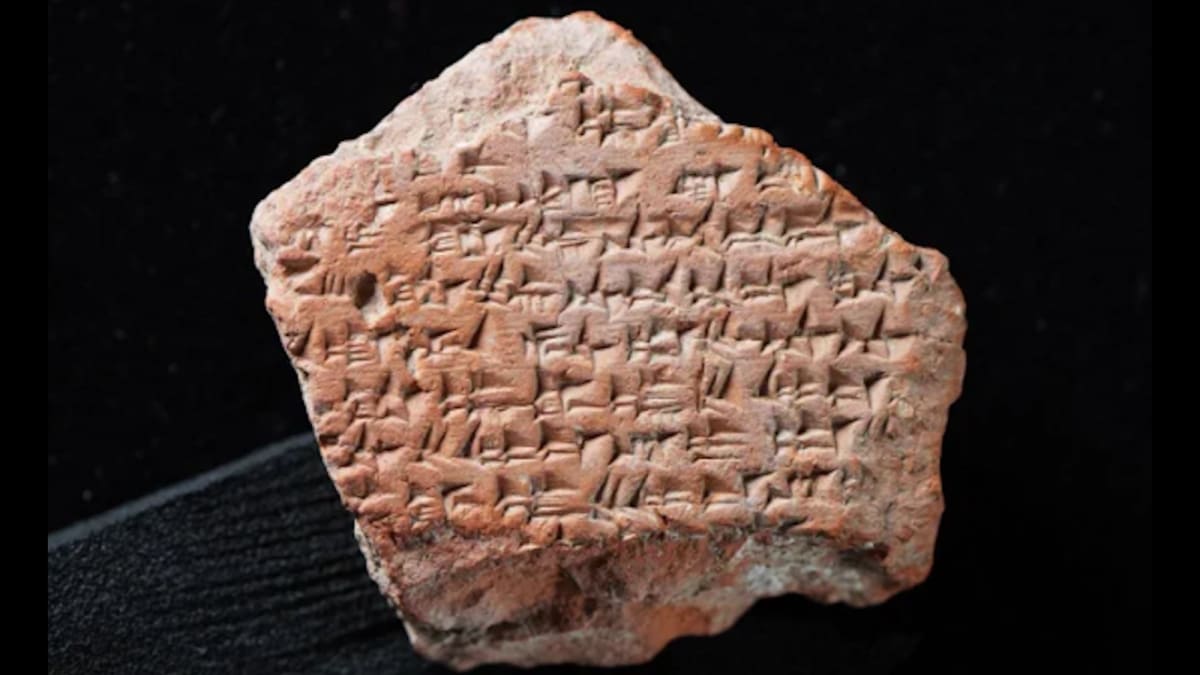
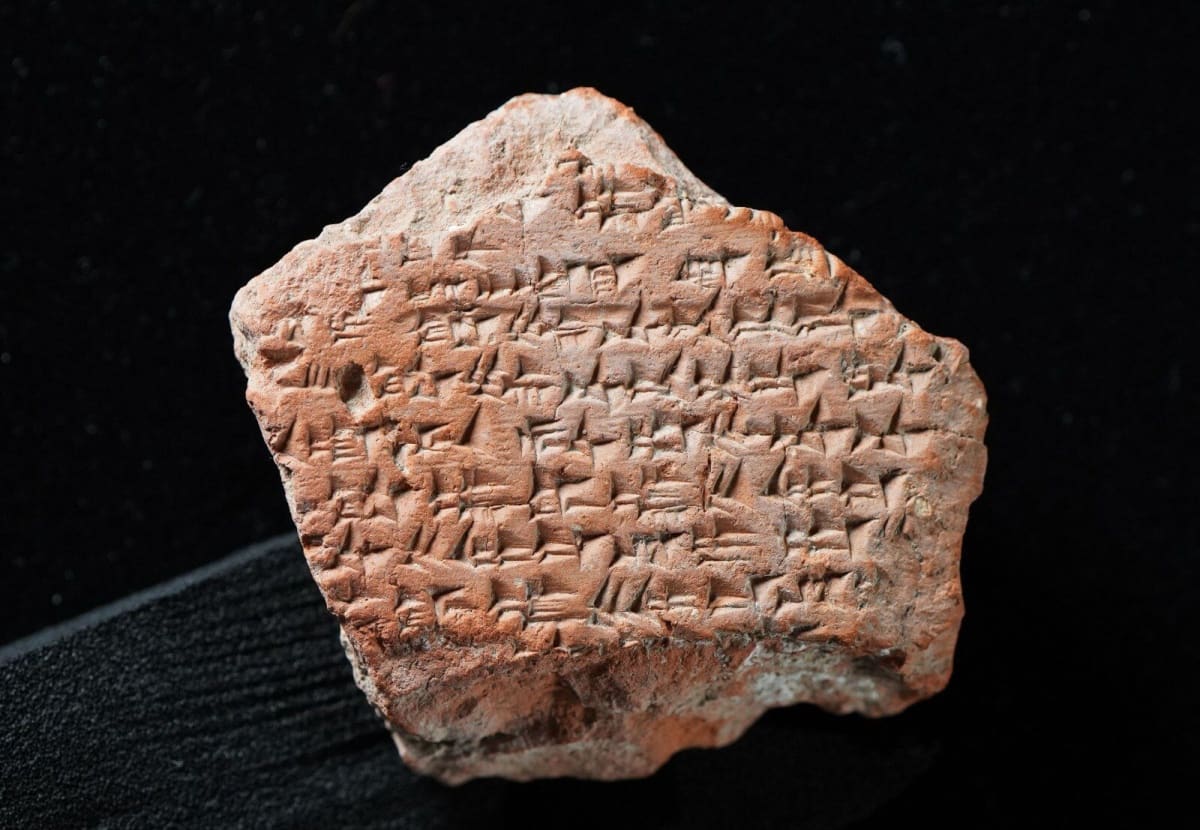
A mysterious green rock found high in the Spanish Pyrenees shows that prehistoric people returned to the same mountaintop cave for over 4,000 years to mine copper. The discovery reveals how ancient communities passed down knowledge across hundreds of generations.
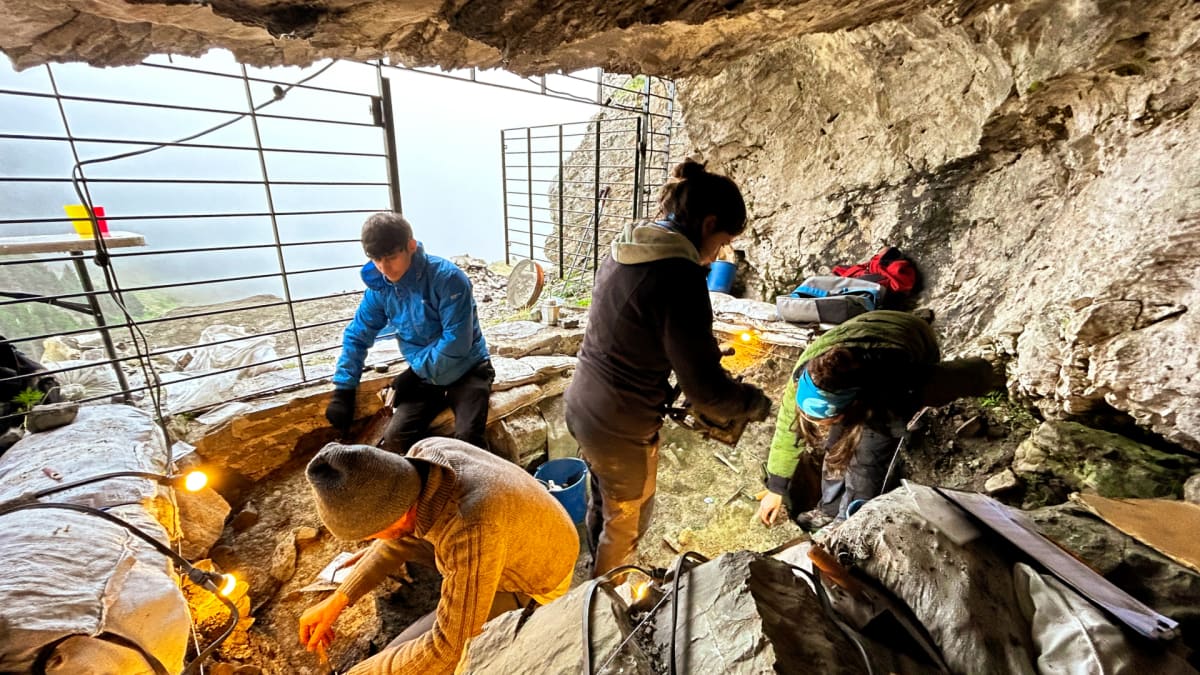
Archaeologists exploring a cave 7,333 feet up in the Spanish Pyrenees just uncovered evidence that prehistoric people weren't wandering aimlessly through the mountains. They were running a sophisticated mining operation that lasted longer than recorded history.
Inside the high-altitude cave near the French border, researchers found nearly 200 fragments of bright green rock scattered among ancient fireplaces and broken pottery. The green mineral is malachite, a copper-rich stone that people heated over fires to extract pure copper for tools, jewelry, and vessels.
What makes this discovery remarkable is the timeline. People first used this cave around 5000 BC and kept coming back until 2400 BC, with the busiest period happening between 3600 and 2400 BC during the height of the Copper Age.
The cave wasn't just a workspace. Archaeologists also found a baby tooth, a finger bone, and two pieces of jewelry: a clamshell pendant and a bear tooth drilled to hang as decoration. These personal items suggest families treated the cave as sacred ground while they worked.
"Many of these fragments are thermally altered, while other materials in the cave are not, which clearly suggests that fire played an important role in their processing," said Julia Montes-Landa, an archaeologist at the University of Granada. The careful heating wasn't accidental but part of a deliberate process passed down through generations.
The copper extraction method was surprisingly simple. People heated the green malachite, which released carbon dioxide and turned the mineral black. Then they added charcoal, which released more carbon dioxide and left behind small nuggets of pure copper.
Why This Inspires
This discovery rewrites our understanding of prehistoric communities in the Pyrenees. For thousands of years, families climbed steep mountain paths to reach this cave, knowing exactly what they would find and how to use it. Parents taught children, who taught their own children, creating an unbroken chain of knowledge spanning 160 generations.
"This site demonstrates that the Pyrenees were not a marginal territory for prehistoric communities, but a space fully integrated into their mobility strategies," said Carlos Tornero, the study's lead author. Ancient people weren't just surviving; they were planning, teaching, and building lasting traditions.
The team plans to continue excavating for several years and will soon confirm the green rock is definitely malachite. Each layer they uncover adds another chapter to the story of how our ancestors worked together, shared knowledge, and built communities that lasted millennia.
More Images


Based on reporting by Live Science
This story was written by BrightWire based on verified news reports.
Spread the positivity!
Share this good news with someone who needs it