Cecilia Payne-Gaposchkin Honoured for Discovering Star Secrets
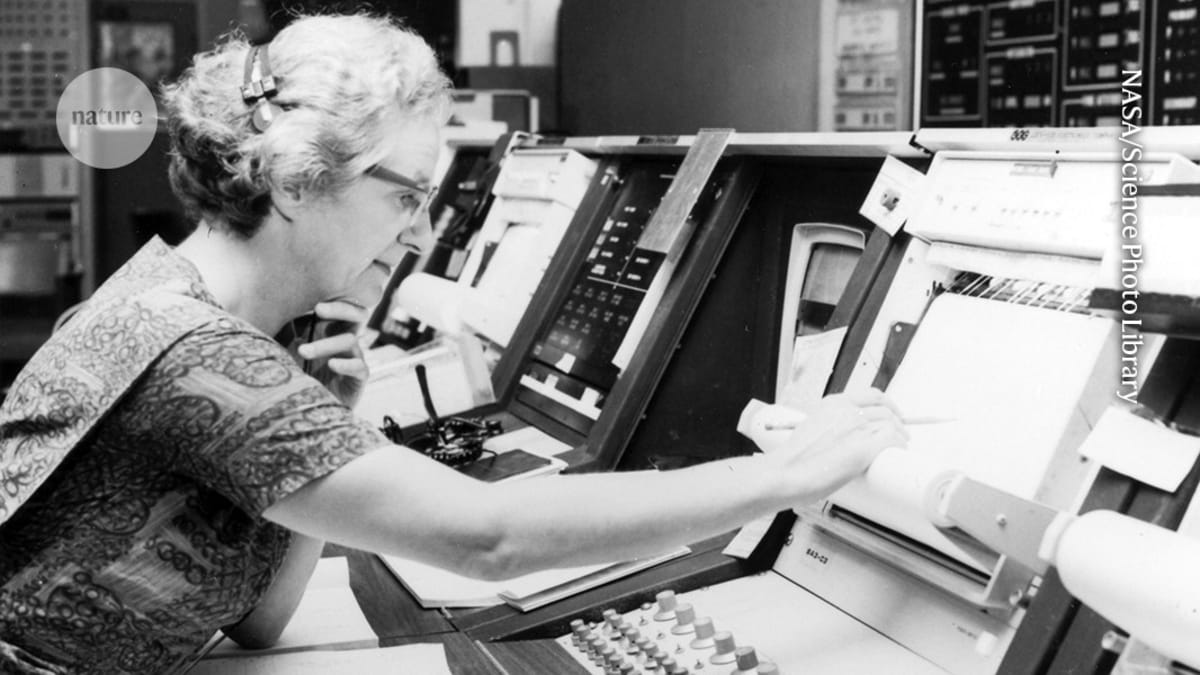
The astronomer who proved stars are made of hydrogen and helium just received a blue plaque at her London childhood home. Cecilia Payne-Gaposchkin made the groundbreaking discovery in 1925, fundamentally changing our understanding of the universe.
A century after her revolutionary discovery about the composition of stars, astronomer Cecilia Payne-Gaposchkin is finally getting the recognition she deserves with a blue plaque at her teenage home in London's Notting Hill.
English Heritage unveiled the plaque at 70 Lansdowne Road, where Payne-Gaposchkin lived when she won her scholarship to Cambridge. It was the beginning of a journey that would make her one of the most important scientists of the 20th century.
In 1925, Payne-Gaposchkin's doctoral thesis at Harvard revealed something no one believed at first: stars are composed primarily of hydrogen and helium. Scientists were skeptical, but she was right, and her discovery fundamentally transformed our understanding of the universe.
The achievement was even more remarkable given the barriers she faced as a woman in science. She became the first woman to earn a PhD in astronomy at Harvard and later the first female full professor in the university's Faculty of Arts and Sciences.
By age 27, she was already the youngest astronomer ever to receive a star of distinction in American Men of Science. Over her career, she published hundreds of scientific papers and her research on stellar atmospheres and variable stars cemented her legacy.
Why This Inspires
Payne-Gaposchkin's story shows how brilliance and determination can overcome even the most stubborn obstacles. Howard Spencer, senior historian at English Heritage, calls her "a scientist of exceptional brilliance and determination" whose story is "not only one of groundbreaking discovery, but also of perseverance in the face of barriers that limited women in science."
Her calculations from nearly a century ago still hold up today. Measurements of hydrogen and helium ratios in the Milky Way galaxy match what she predicted in 1925, proving that sometimes the youngest voice in the room has the answer everyone else is looking for.
The blue plaque joins those of other pioneering astronomers, including Sir Arthur Eddington, who encouraged Payne-Gaposchkin in her early career. Her childhood home now stands as a reminder that world-changing discoveries often begin with a curious young mind and the courage to challenge conventional thinking.
From a teenager in Notting Hill to a Harvard professor who unlocked the secrets of stars, Payne-Gaposchkin proved that determination and brilliance know no gender.
More Images

Based on reporting by Google News - Science
This story was written by BrightWire based on verified news reports.
Spread the positivity!
Share this good news with someone who needs it