Chai Queens Play Celebrates Sapphic Love and Reunion
A new theatrical production uses childhood dolls and intimate rituals to tell a tender story of two women reuniting after 15 years apart. The play honors sapphic relationships often dismissed as "just friendship" while celebrating queer joy and reconciliation.
Two women meet again after fifteen years, their shared history hanging unspoken between them until childhood dolls help them finally say what their hearts have held all along.
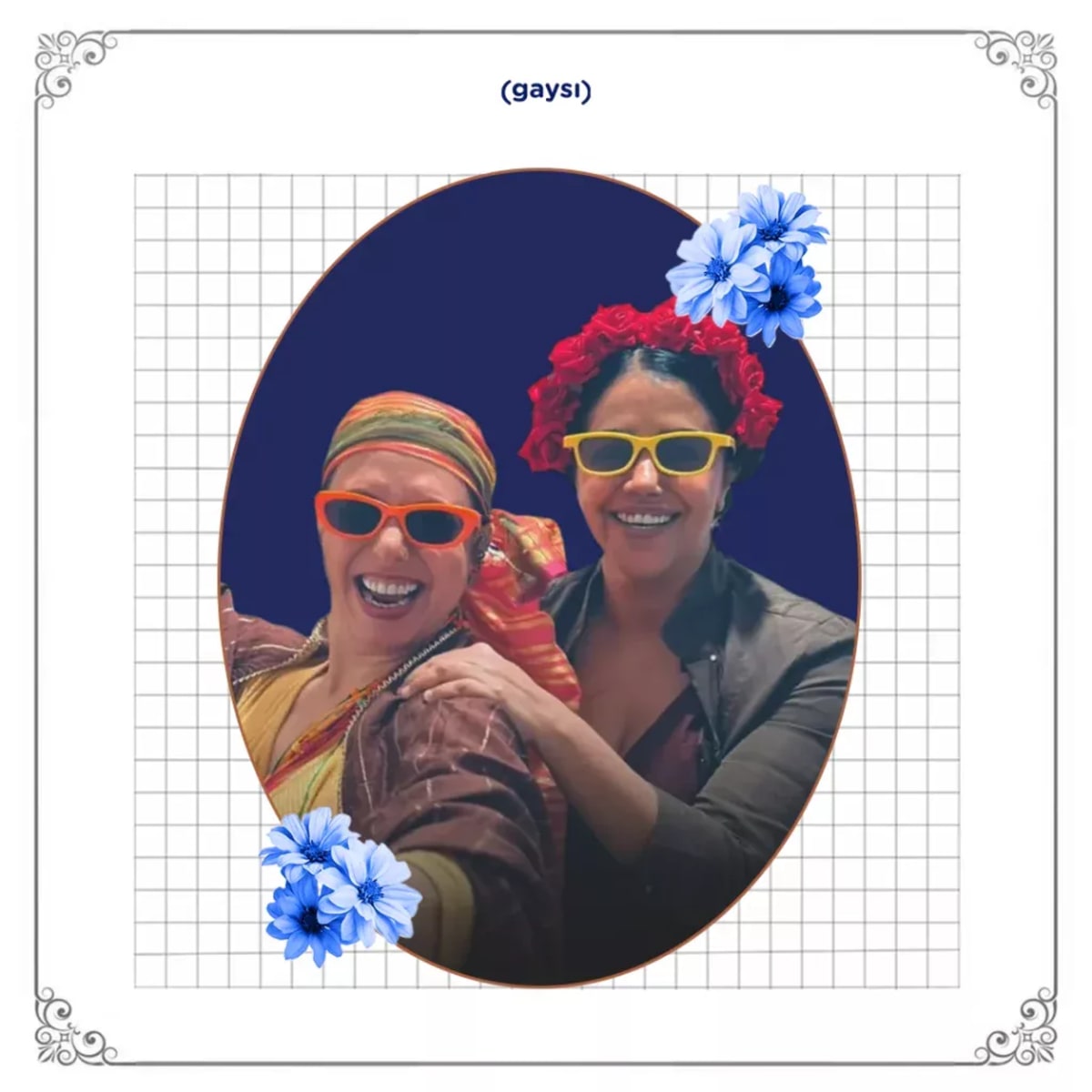
Chai Queens, which premiered at Mumbai's Fringe Festival in April 2026, tells the story of Bubbles and Tejal, childhood friends separated when Bubbles was forced into marriage at nineteen. When they reunite at Bubbles' daughter's wedding, the dolls they once played with become messengers for feelings too long buried.
The hour-long production uses minimal staging but maximum heart. Through the wedding ceremony of dolls named Ginny and Binny, the two women navigate jealousy, longing, and the ache of lost time while creating moments of genuine joy.
Director and cast weave sarees into the storytelling as a language of intimacy. Tying each other's sarees, sharing a dupatta, and the simple act of helping with clothing become quiet declarations of connection that many women recognize from their own girlhoods.
The production doesn't shy from complexity. Bubbles and Tejal spar playfully, tease each other about current relationships, and reveal the strain of living under societal pressure while holding onto forbidden love.
Why This Inspires
Many sapphic relationships in South Asia exist in shadows, often rewritten by families as friendships that simply faded. Chai Queens refuses that erasure by celebrating the spiritual and emotional bonds that survive separation, shame, and silence.
The play invites audiences directly into its world. Some attendees joined the stage to dance at the dolls' wedding while others received traditional sweets during the celebration, transforming spectators into witnesses of queer joy.
Reviewer Tejaswi Subramanian notes the production captures how childhood play creates private worlds where girls find respite from unspoken rules. Within those spaces, bonds form that patriarchy tries but fails to break.
The chemistry between actors felt lived-in and tender, honoring both the pain of separation and the courage of reunion. Their performance captures what happens when two people finally choose each other after years of being unchosen.
The Ripple Effect
Theater like Chai Queens creates visibility for South Asian LGBTQ+ stories often missing from mainstream stages. By centering sapphic love within cultural traditions like saree-tying and wedding rituals, it shows queer joy belongs in every celebration.
The production demonstrates how childhood objects hold emotional memory and help adults access feelings they've learned to hide. What sounds unconventional becomes a powerful storytelling device that resonates across identities.
Audiences left the theater having witnessed not just a story of longing but of reconciliation and joy. The final moments offered resolution rarely granted to queer South Asian narratives, showing reunion is possible even after years of separation.
Chai Queens proves that stories dismissed as "just friendship" deserve celebration, sarees can be love letters, and childhood dolls sometimes know what our hearts need to say.
More Images
Based on reporting by Google News - Reconciliation
This story was written by BrightWire based on verified news reports.
Spread the positivity!
Share this good news with someone who needs it