Charleroi Turns 'World's Ugliest City' Into Tourist Draw
A Belgian city once mocked as the world's ugliest now attracts visitors from across Europe who find unexpected beauty in its abandoned factories and industrial ruins. What started as a joke 15 years ago has become a thriving tourism movement celebrating decay as art.
When a Dutch newspaper named Charleroi the ugliest city in the world, Belgian artist Nicolas Buissart had an idea that seemed ridiculous at the time: turn its decay into a destination.
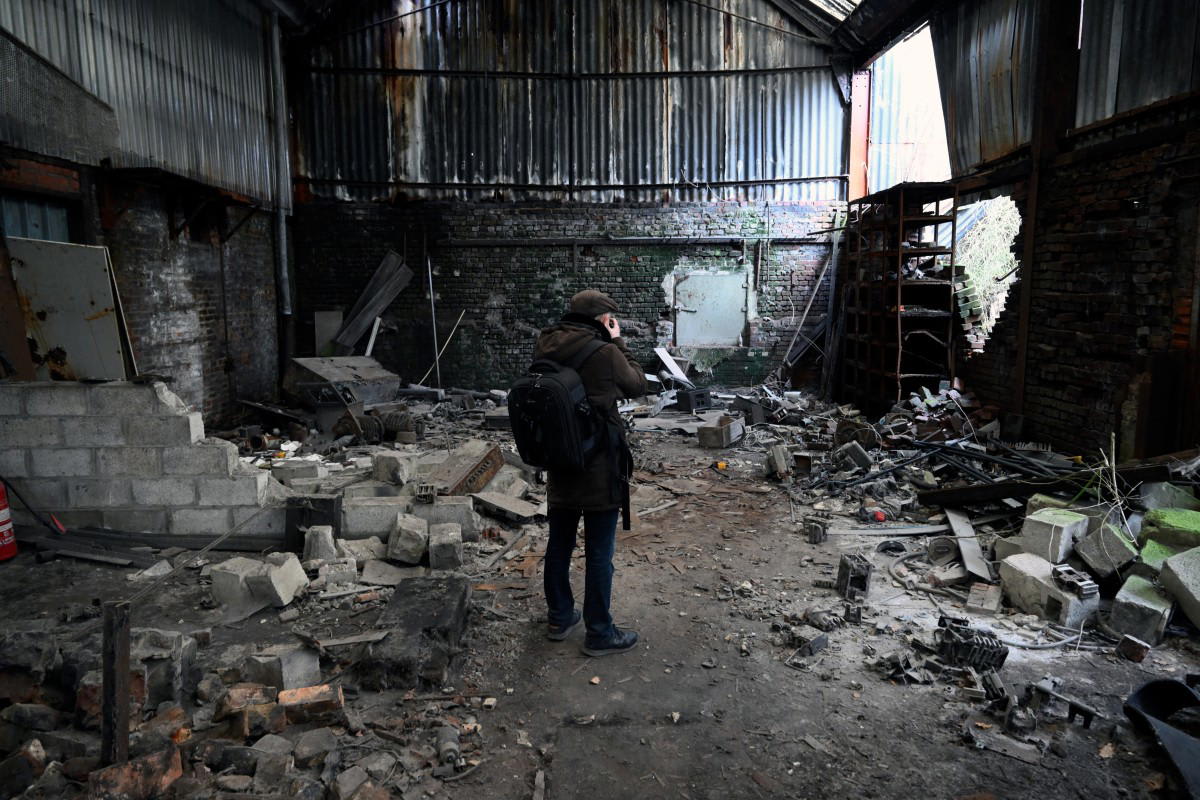
Fifteen years later, Buissart is still giving "city safari" tours of his southern Belgian hometown. Visitors from as far as Berlin and Detroit come to explore the abandoned coal mines, steel plants, and warehouses that once powered the region's industrial boom.
On a dreary March day, a dozen pensioners from Lille, France, eagerly climbed slag heaps and photographed crumbling factories. They're part of a global movement called urban exploration, or "urbex," where people seek beauty in abandoned places.
"There's an aesthetic here that I really like," says Veronique Moussu, a retiree on her second visit in four years. "These spaces are enhanced by the play of light, shadows and street art."
The tours include stops at Charleroi's most striking ruins. The Solvay Pool, built in the 1930s for factory workers, now serves as a canvas for graffiti artists beneath its collapsed roof. A massive warehouse that once treated stainless steel sheets stands as a monument to the city's manufacturing past.
Buissart, 46, carefully guides visitors through these spaces with safety instructions before letting them explore and photograph. His tours tell a deeper story about capitalism's footprint in places like Wallonia, once Belgium's prosperous industrial heartland.
"Wallonia used to be prosperous; it's a cradle of capitalism of sorts," Buissart explains. "The problem with capitalism is that it leaves a lot of waste behind."
The Ripple Effect
What started as Buissart's tongue-in-cheek response to an insult has sparked genuine economic activity in Charleroi. Tourists book hotels, eat at local restaurants, and return years later with friends. The city that was dismissed as ugly has found its niche by embracing what makes it different rather than hiding it.
The urbex movement has given new purpose to spaces that might otherwise sit forgotten. Amateur photographers, thrill seekers, and history enthusiasts now see value in these industrial monuments. They document not just buildings, but the human stories of workers who once filled them.
More than 40 years after Charleroi's last coal pit closed, the city has moved beyond its industrial identity. Today it's best known for its airport, a major European hub for budget airline Ryanair, but the ruins have become an unexpected second act.
Sometimes the things that make us different become our greatest strengths.
Based on reporting by Vanguard Nigeria
This story was written by BrightWire based on verified news reports.
Spread the positivity!
Share this good news with someone who needs it