Cheetahs Return to Eswatini After 35-Year Absence
Four cheetahs now roam Eswatini's Royal Jozini Private Game Reserve for the first time since the 1980s. The successful reintroduction marks a turning point for wildlife conservation in the small Southern African kingdom.
After 35 years of silence across the grasslands, the fastest animal on earth has returned home to Eswatini.
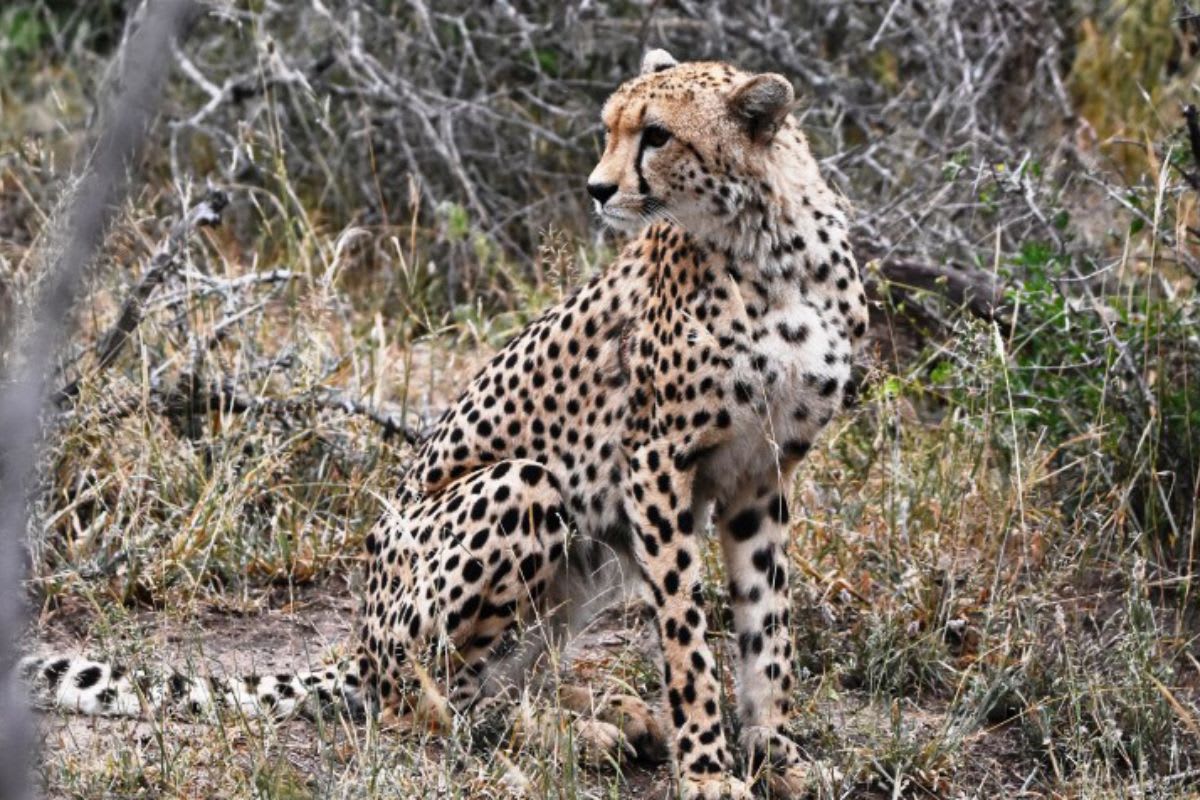
Four cheetahs now prowl the Royal Jozini Private Game Reserve, marking the first successful reintroduction of the species since the 1980s. For a small kingdom that lost its spotted cats to habitat loss and declining prey numbers decades ago, their return feels like reclaiming a piece of national identity.
The project unfolded in two careful stages. Two female cheetahs arrived from South Africa's Nyosi Wildlife Reserve in December 2025, spending 30 days adjusting to their new surroundings before their January release. Two males from Dinokeng Game Reserve followed in April after completing quarantine and veterinary checks.
Today, all four animals thrive in their ancestral homeland. The females hunt successfully and have carved out territories, while the males continue exploring vast sections of the reserve. Satellite collars track their movements daily, giving conservation teams real-time data on their adaptation.
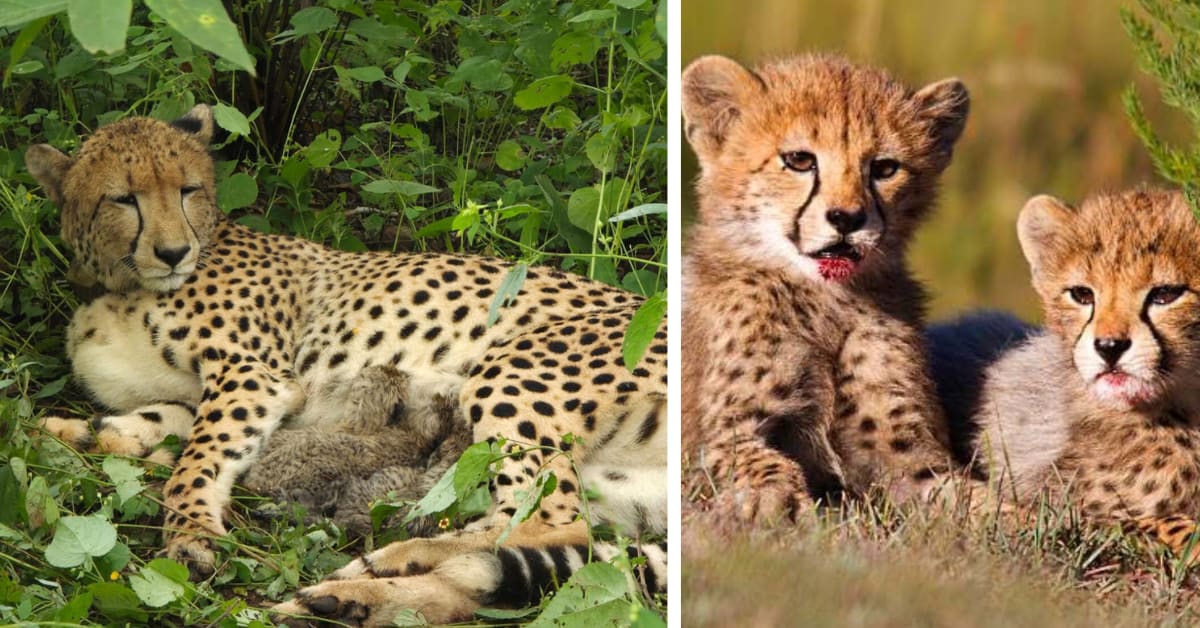
The most exciting possibility lies just ahead. Conservationists hope the cats will form breeding pairs soon, which could produce the first wild cheetah cubs born in Eswatini in nearly four decades.
The Ripple Effect
This achievement represents far more than four animals crossing a border. The Southern African cheetah metapopulation program, wildlife veterinarians, conservation groups, and reserve managers across three locations worked together to make it happen.
One female's lineage traces back to a rehabilitated and rewilded mother in South Africa's Eastern Cape, proof that patient conservation efforts can succeed across generations. Taryn Gillson, Global Humane Conservation Fund of Africa's Regional Director for Africa, called it a historic moment for the country.
Royal Jozini managing director Jay Azran described the return as restoring an important piece of Eswatini's heritage. The project shows how cross-border cooperation can heal landscapes and bring back what was lost.
As these spotted cats move through grasslands where their ancestors once hunted, they carry hope across borders as swiftly as they run.
Based on reporting by Google News - Conservation Success
This story was written by BrightWire based on verified news reports.
Spread the positivity!
Share this good news with someone who needs it