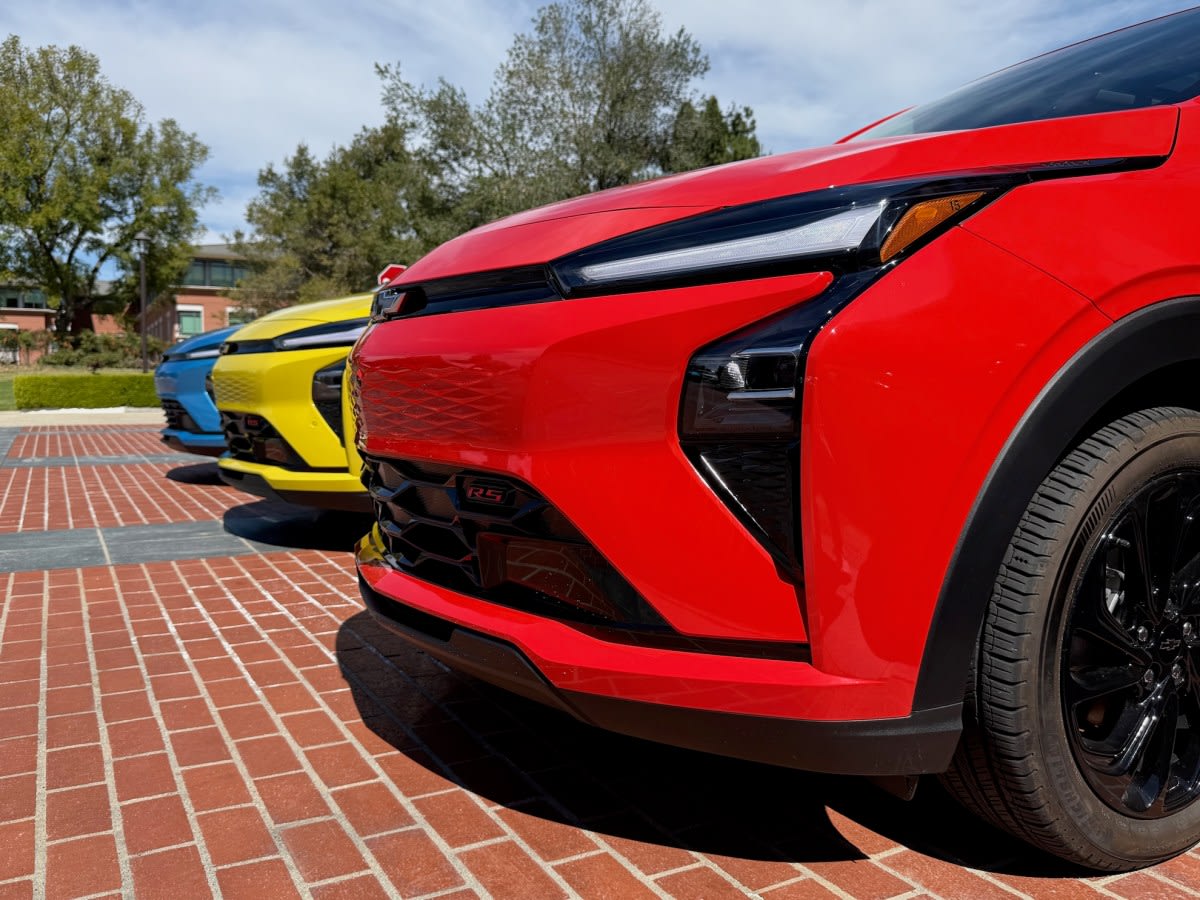
Chevy Bolt Returns With Smart, Affordable EV Strategy
General Motors is bringing back the beloved Chevy Bolt by working smarter, not harder. The automaker used lessons from years of EV production to make an affordable electric car that's actually profitable.
When Chevy Bolt fans heard their favorite electric car was coming back, they celebrated. But the real story isn't just about bringing back a fan favorite—it's about how GM cracked the code on making affordable EVs work.
The new Bolt proves you don't need billions in flashy new technology to move forward. Instead of starting from scratch like they did in 2017, GM pulled together parts and knowledge from the dozen electric models they already sell.
The company had an empty factory in Kansas sitting idle after the Chevy Malibu ended production. Rather than let it collect dust until 2027, they gave it new life building Bolts.
Here's where it gets clever. The original Bolt required designing everything from the ground up, from motors to battery systems. That's expensive and risky. This time, GM borrowed the front motor from the Chevy Equinox and used the same Android Automotive system their other EVs run.
The borrowed motor actually delivers the same power as before but spins faster and more efficiently. Combined with smarter power electronics, the new Bolt travels 15 miles farther than its predecessor.
Those 15 extra miles might not sound revolutionary, but they represent something bigger. GM figured out how to make steady progress without betting the farm on completely new platforms.
The Bright Side
The EV market has been bumpy for traditional automakers. GM took a $6 billion charge in January because electric vehicle adoption hasn't matched predictions. Many companies might have pulled back or abandoned affordable EVs entirely.
Instead, GM found a middle path. They're still committed to phasing out gas vehicles by 2035, but they're getting there through smart incremental steps rather than expensive moonshots.
The new Bolt will actually turn a profit, something the original struggled to do. That matters because profitable EVs mean more affordable options for everyday drivers, not just luxury buyers.
This approach could transform how automakers think about the electric transition. Not every breakthrough needs a multibillion-dollar investment or a completely redesigned platform.
Sometimes progress looks like using what you've learned, filling gaps smartly, and making small improvements add up to something significant. If GM can keep marching forward at this steady pace, the next decade could bring electric cars within reach for millions more families.
More Images

Based on reporting by TechCrunch
This story was written by BrightWire based on verified news reports.
Spread the positivity!
Share this good news with someone who needs it