Chile Makes Solar Power More Bankable for Small Developers
Chile just overhauled how it pays small solar farms, creating a clearer path for renewable energy projects to secure financing. The change helps developers with batteries navigate the grid while keeping clean energy flowing.
Chile's government just made it easier for small solar developers to understand how they'll get paid, a crucial step for turning renewable energy plans into real power plants.
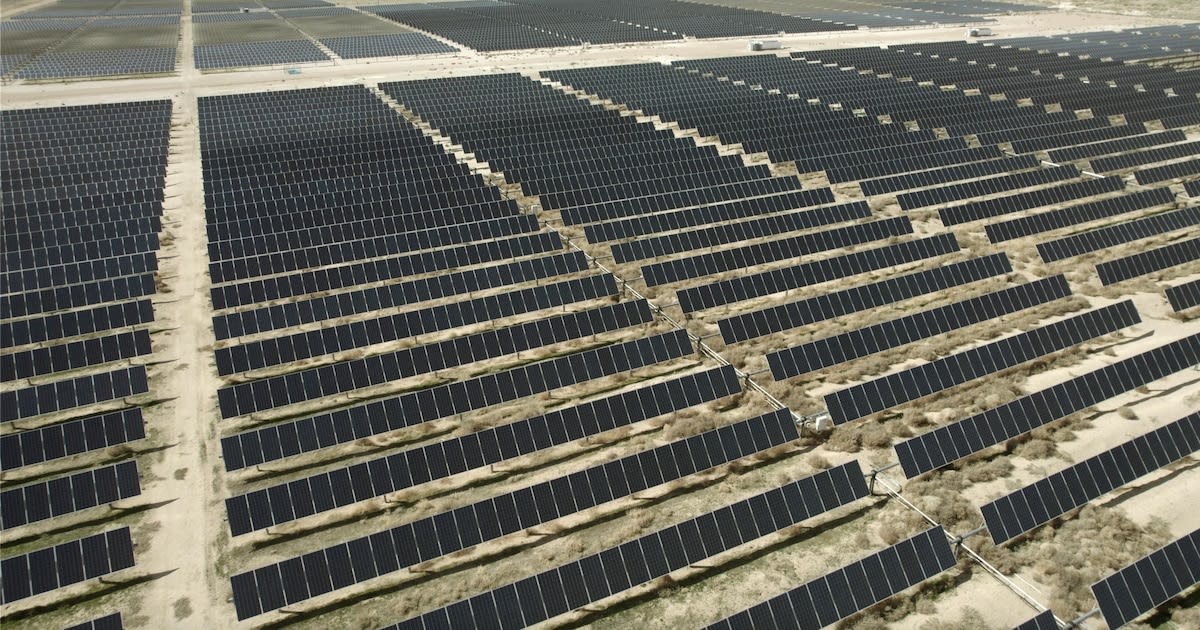
The country updated its payment system for solar parks up to 9 megawatts, roughly enough to power 2,000 homes. These smaller projects have long been the backbone of Chile's distributed clean energy revolution, but developers struggled with unpredictable revenue streams that made banks nervous about lending.
Under the new rules, solar farms with battery storage now get crystal clear guidelines on how their payments work. The government introduced a monthly balancing system that tracks the difference between what developers earn and what the grid actually costs to run. Developers receive advance payments each month, then reimburse the difference over the following year with inflation protection built in.
The change matters because uncertainty kills clean energy projects before they start. When developers can't predict cash flow, they can't secure loans. When they can't get financing, solar panels stay in warehouses instead of generating clean power.
Chile's grid operator now requires solar farms to forecast their energy production and battery operations. While that means more paperwork, it also means more predictability. Developers can model their revenue years in advance, which is exactly what banks want to see.
The system does introduce new considerations. Batteries now compete with regular electricity demand for grid access during congested periods. Solar farms might face curtailment when transmission lines fill up. But Norwegian consulting firm DNV, which analyzed the changes, found that these risks are manageable and quantifiable.
The Ripple Effect
Here's why this matters beyond Chile's borders. Small solar projects represent the future of renewable energy in developing economies worldwide. They're cheaper to build than massive solar farms, connect directly to local grids, and can include battery storage to provide power after sunset.
When Chile proves that small solar can be financially stable, other countries take notice. Latin America alone could add 40 gigawatts of distributed solar by 2030, enough to replace dozens of coal plants.
The framework essentially gives small developers the same financial footing as major utilities. A farmer wanting to build a 5 megawatt solar array can now walk into a bank with revenue projections that actually mean something. Community energy cooperatives can secure bonds. Indigenous communities can develop their own clean power.
Chile's grid operator will monitor compliance and handle all the settlement math, taking administrative burden off individual developers. The system runs on 15 minute intervals, capturing real time grid conditions while keeping payments fair.
The result resembles a spot market for electricity, but with training wheels that help smaller players compete. Developers still need sophisticated modeling, but the rules are now clear enough that those models actually work.
Chile just proved that supporting small solar doesn't mean sacrificing financial discipline, and that's a blueprint worth copying.
More Images


Based on reporting by PV Magazine
This story was written by BrightWire based on verified news reports.
Spread the positivity!
Share this good news with someone who needs it