Chile Telescope Begins 10-Year Movie of the Universe
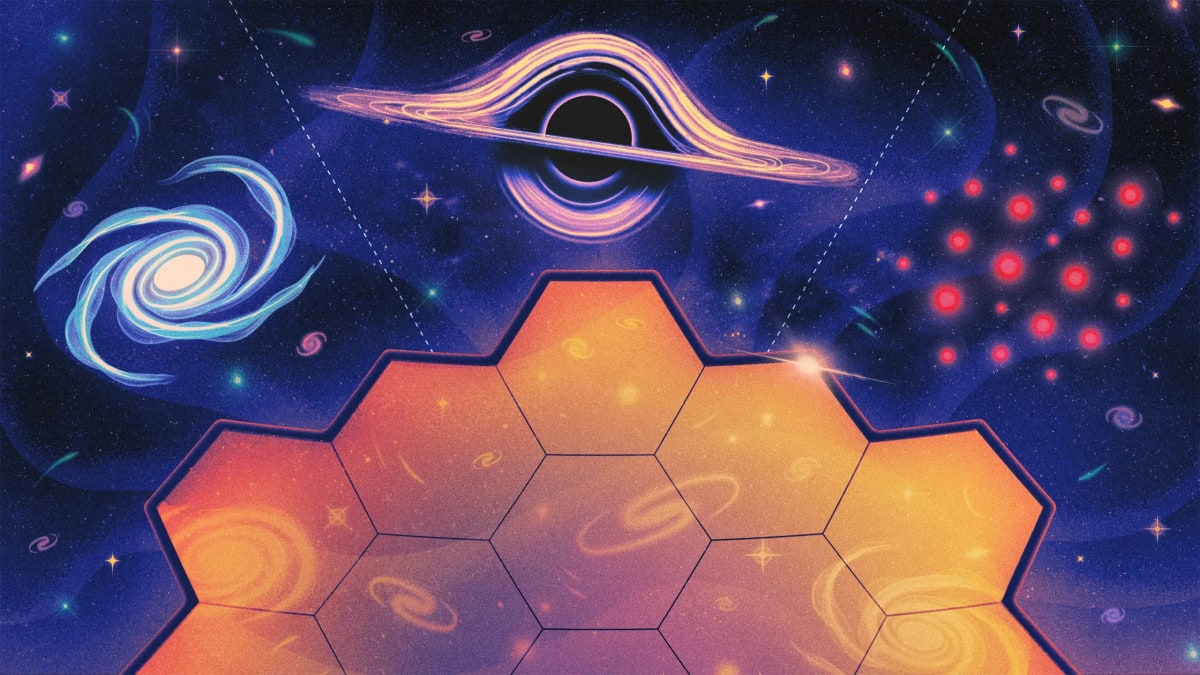
A car-sized camera in Chile just started filming the cosmos every 40 seconds for the next decade, creating the most detailed time-lapse of space ever made. The project will help solve mysteries about dark matter while making billions of celestial discoveries available to everyone.
Starting this week, humanity gained superhuman vision to watch the universe unfold in real time.
The Vera C. Rubin Observatory in Chile launched its Legacy Survey of Space and Time on Tuesday, marking the beginning of an unprecedented 10-year project. Perched 8,800 feet high in the Andes, the observatory houses the world's largest digital camera, weighing 6,600 pounds and roughly the size of a small car.
Every 40 seconds each night for the next decade, this remarkable instrument will capture detailed images of the southern sky. Together, these snapshots will create a living panorama showing how stars explode, black holes form, and galaxies collide across time.
The camera uses colored filters that work like superpowers, allowing it to see wavelengths of light invisible to human eyes. Every few days, it completes a full scan of the southern sky, then returns to the same spots hundreds of times over the years to watch how they change.
The $800 million project has already proven its worth during testing. While optimizing the system before launch, researchers discovered 11,000 new asteroids and dozens of other previously unknown objects in our solar system.
Scientists expect the camera to flag about 7 million interesting cosmic events every single night. AI and machine learning will help filter this flood of data, directing telescopes around the world to study the most remarkable phenomena together.
Why This Inspires
This isn't just another research project locked behind academic walls. When complete, the survey will contain billions of celestial objects with trillions of measurements, and all of it will be made freely available to scientists and the public alike.
For the first time in history, amateur astronomers, students, and curious minds everywhere will have access to the same cosmic data as professional researchers. Anyone with internet access can explore the evolving universe, potentially making discoveries that unlock fundamental mysteries about dark matter and dark energy.
"Today, we begin filming the greatest cosmic movie ever made," said Brian Stone of the US National Science Foundation. The statement captures both the technical achievement and the sense of shared wonder this project represents.
The observatory sits in one of Earth's best stargazing locations, where dark skies and dry air create perfect viewing conditions. From this remote Chilean mountaintop, humanity will watch the universe tell its story, frame by frame, for the next 10 years.
The cosmos is now streaming in unprecedented detail, and everyone's invited to watch.
Based on reporting by Google News - Science
This story was written by BrightWire based on verified news reports.
Spread the positivity!
Share this good news with someone who needs it