Webb Telescope Unveils Mysterious "Little Red Dots" in Space
The James Webb Space Telescope has discovered hundreds of puzzling objects called "little red dots" that never existed in our old understanding of the universe. Scientists are racing to solve these cosmic mysteries with exciting new theories about the early universe.
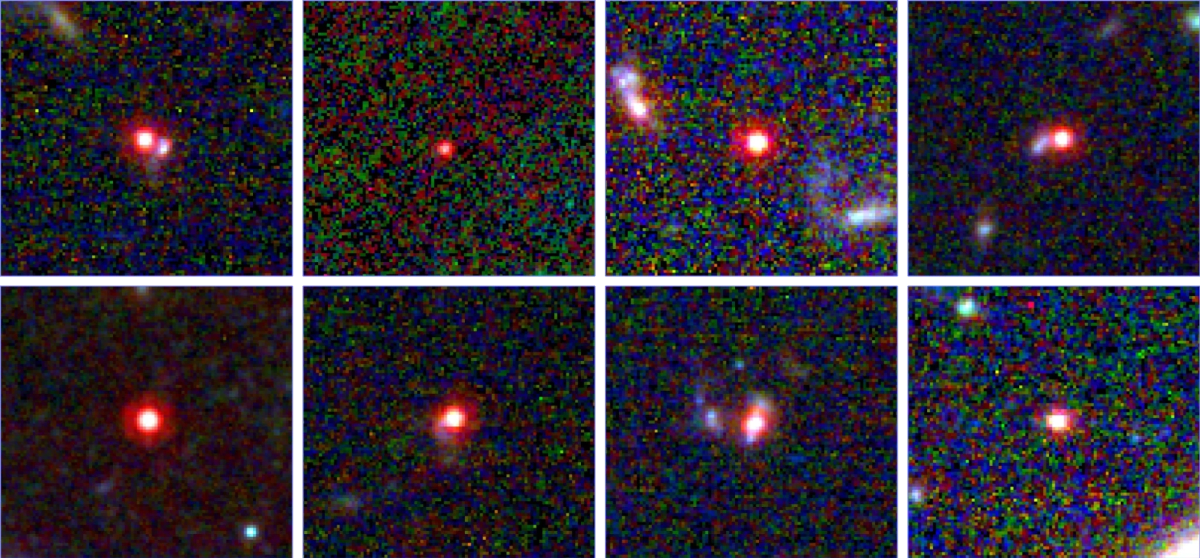
Scientists are buzzing with excitement over strange objects in space that nobody knew existed until two years ago. The James Webb Space Telescope has spotted hundreds of mysterious "little red dots" that are rewriting what we thought we knew about the early universe.
These cosmic puzzles first appeared in telescope images in 2022, and they've kept astronomers up at night ever since. The dots formed roughly 650 million years after the Big Bang, making them some of the universe's earliest objects.
Charlotte Mason, an astrophysicist in Copenhagen, has been sketching pictures of these dots to understand them better. She draws circles within circles, trying to map out what might be hidden inside each mysterious speck of light.
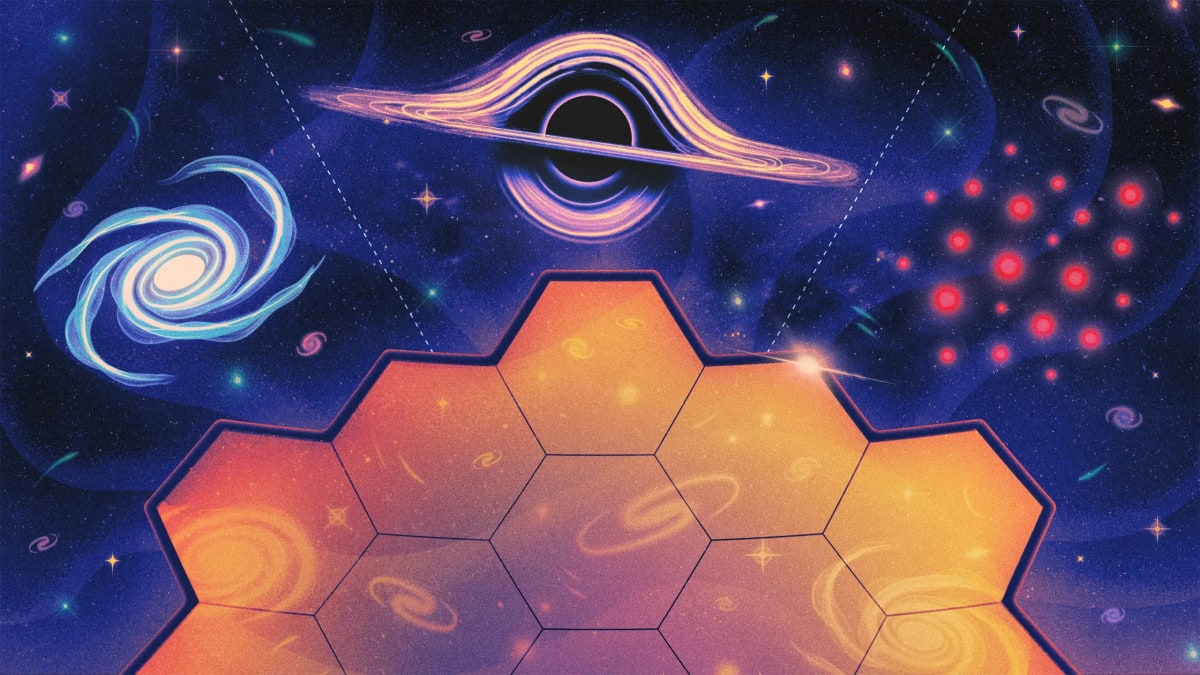
The leading theory suggests these little red dots could be black holes wrapped in thick clouds of gas. Some scientists think they might even be an entirely new type of cosmic object called a "black hole star," where dense gas glows like a star's atmosphere around a hidden black hole.
But Mason's recent research threw a curveball into that theory. When she analyzed the light from one little red dot, it didn't match what scientists expected from a simple gas cloud. Now she's testing whether clumpy, hole-filled clouds around black holes might explain what the telescope is seeing.
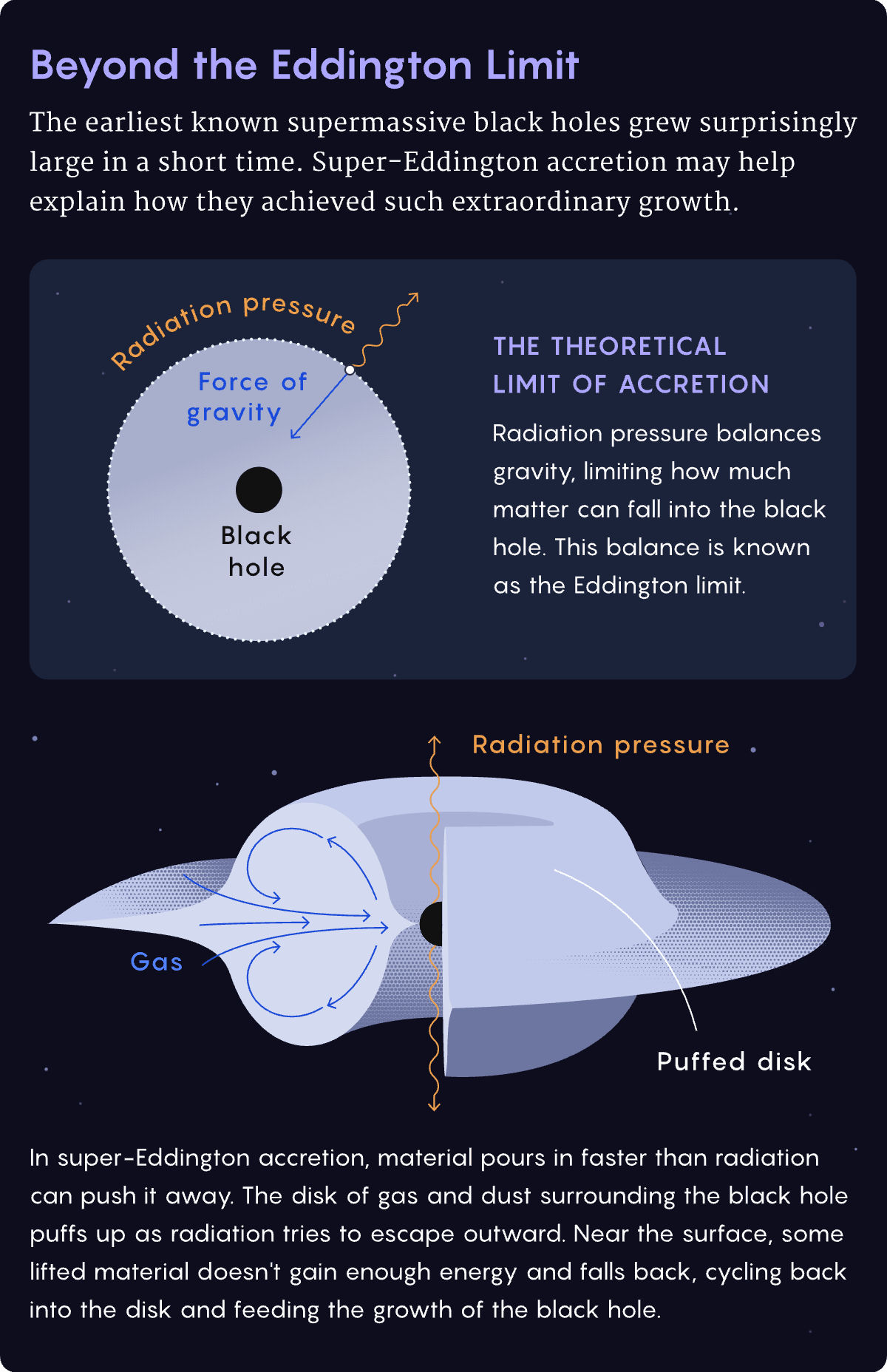
The dots aren't the only surprise Webb has delivered. The telescope keeps finding ancient black holes that grew impossibly large in impossibly short timeframes. Some reached a billion times the mass of our sun just a few hundred million years after the Big Bang.
Jenny Greene, an astrophysicist at Princeton, says scientists have to "do some gymnastics" to explain how black holes got so big so quickly. Traditional theories about how black holes form and grow simply don't account for these giant cosmic giants appearing so early.
The Ripple Effect
All around the world, researchers are collaborating to solve these cosmic mysteries, sharing data and theories across continents. Each new observation from Webb adds another piece to the puzzle, helping scientists build a clearer picture of how our universe began. These discoveries aren't just changing textbooks—they're inspiring a new generation of astrophysicists to question everything we thought we knew about space.
The best part? Every answer leads to ten new questions, and scientists couldn't be happier about it.
More Images

Based on reporting by Google: James Webb telescope
This story was written by BrightWire based on verified news reports.
Spread the positivity!
Share this good news with someone who needs it