China and Peru Team Up to Explore 5,000-Year-Old Sites
Chinese archaeologists are heading to Peru for their first South American dig, exploring one of the world's oldest civilizations. The partnership marks a new chapter in understanding ancient cultures across continents.
Two countries separated by the Pacific Ocean are joining forces to unlock secrets from 5,000 years ago.
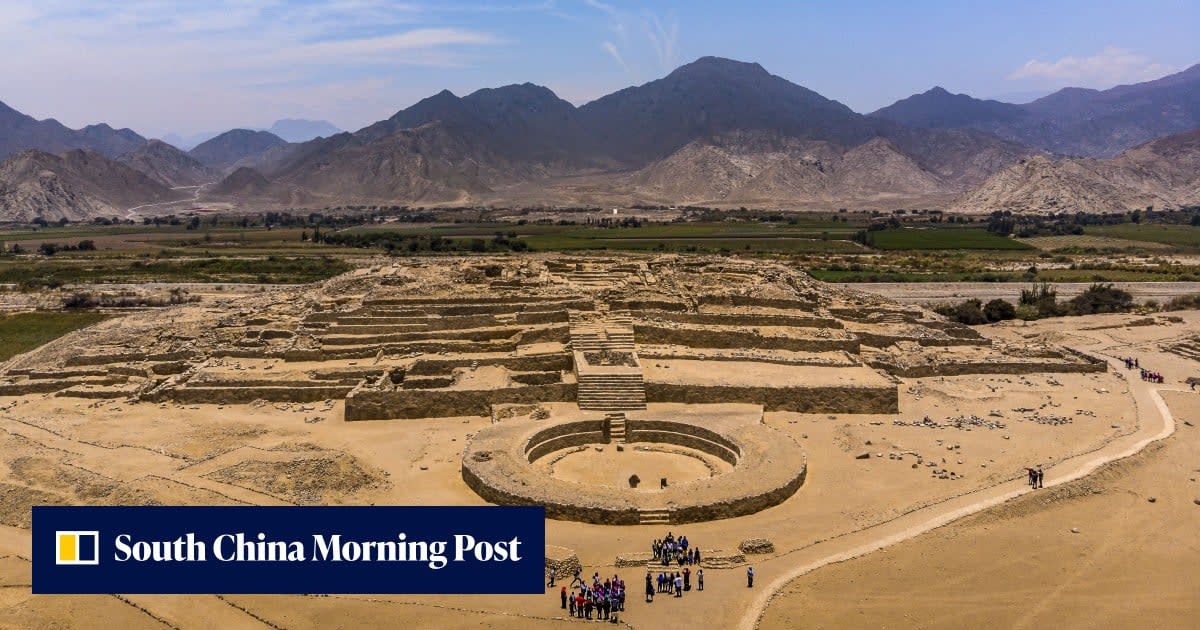
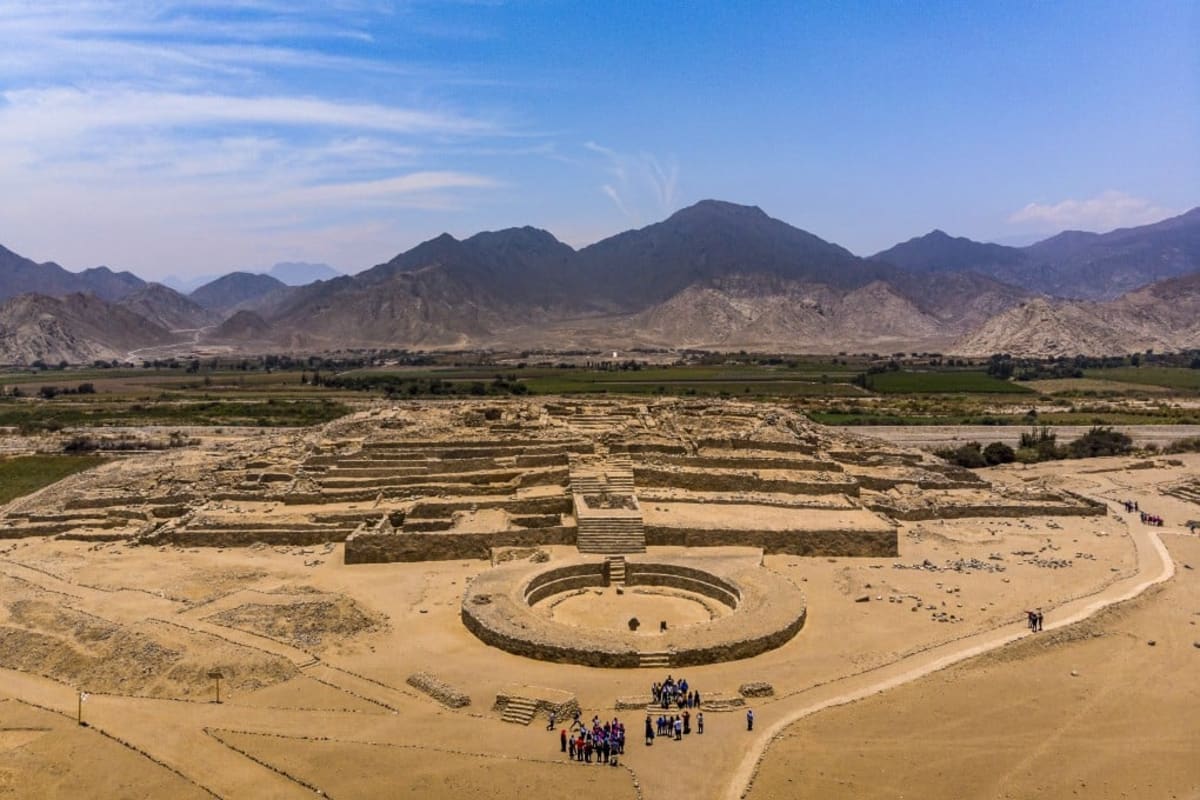
Chinese archaeologists will launch their first field project in South America this year, partnering with Peruvian researchers to explore the ancient Caral civilization. The Caral people built thriving cities along Peru's coast between 3000BC and 1800BC, making them the oldest known civilization in the Americas.
The Institute of Archaeology of the Chinese Academy of Social Sciences signed the agreement with Peru's Caral Archaeological Zone and the National University of San Marcos. Teams will survey major population centers like Caral and Aspero before developing excavation plans.
This isn't just about digging up artifacts. The collaboration includes training programs, field surveys, joint excavations, and preservation projects to protect these ancient sites for future generations.
The Ripple Effect
The partnership opens doors that have never been opened before. Chinese archaeological institutions have never conducted field work in South America until now, creating fresh opportunities for cross-cultural research.
The project will eventually expand beyond Caral to examine sites from the later Inca period in the Andean highlands. Researchers plan to compare ancient Chinese and South American civilizations, potentially revealing surprising connections or parallel developments between cultures that evolved thousands of miles apart.
By studying how different societies solved similar challenges like building cities, organizing communities, and preserving their cultures, modern researchers gain insights that transcend any single civilization. The knowledge exchange flows both ways, with Chinese and Peruvian archaeologists learning new techniques and perspectives from each other.
These partnerships strengthen cultural understanding between nations while advancing archaeological science. When countries collaborate on uncovering humanity's shared past, they build bridges in the present.
Two teams from opposite sides of the world are about to show us what ancient peoples accomplished together, and what modern nations can achieve by working side by side.
More Images

Based on reporting by South China Morning Post
This story was written by BrightWire based on verified news reports.
Spread the positivity!
Share this good news with someone who needs it