Pompeii Never Died: Renaissance Finds Rewrite History
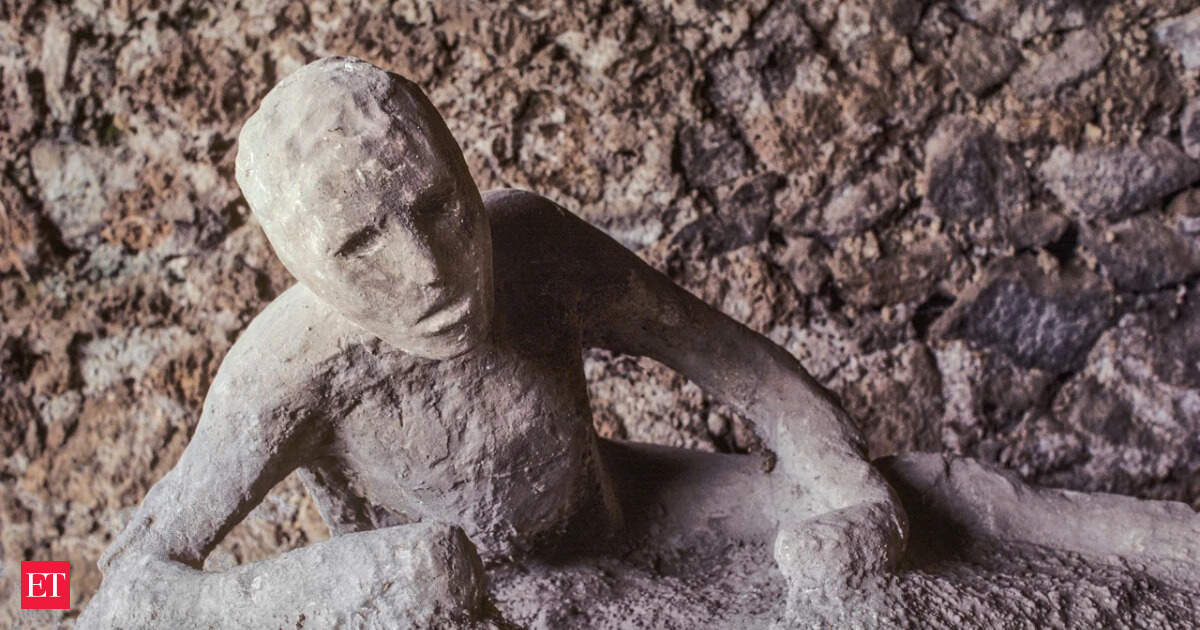
New archaeological discoveries prove people lived among Pompeii's ruins for 1,600 years before official excavations began. The ancient city was never truly forgotten by local communities who kept its memory alive.
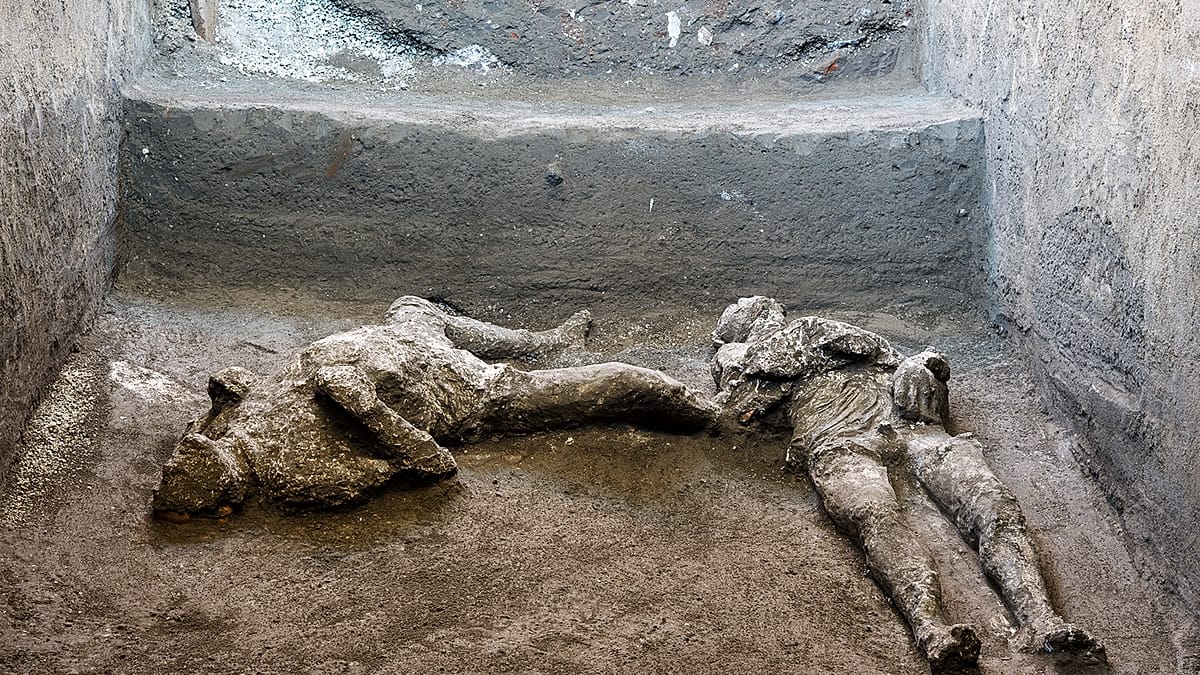
For centuries, historians believed Pompeii ended in 79 AD and stayed buried until 1748. New discoveries are completely rewriting that story.
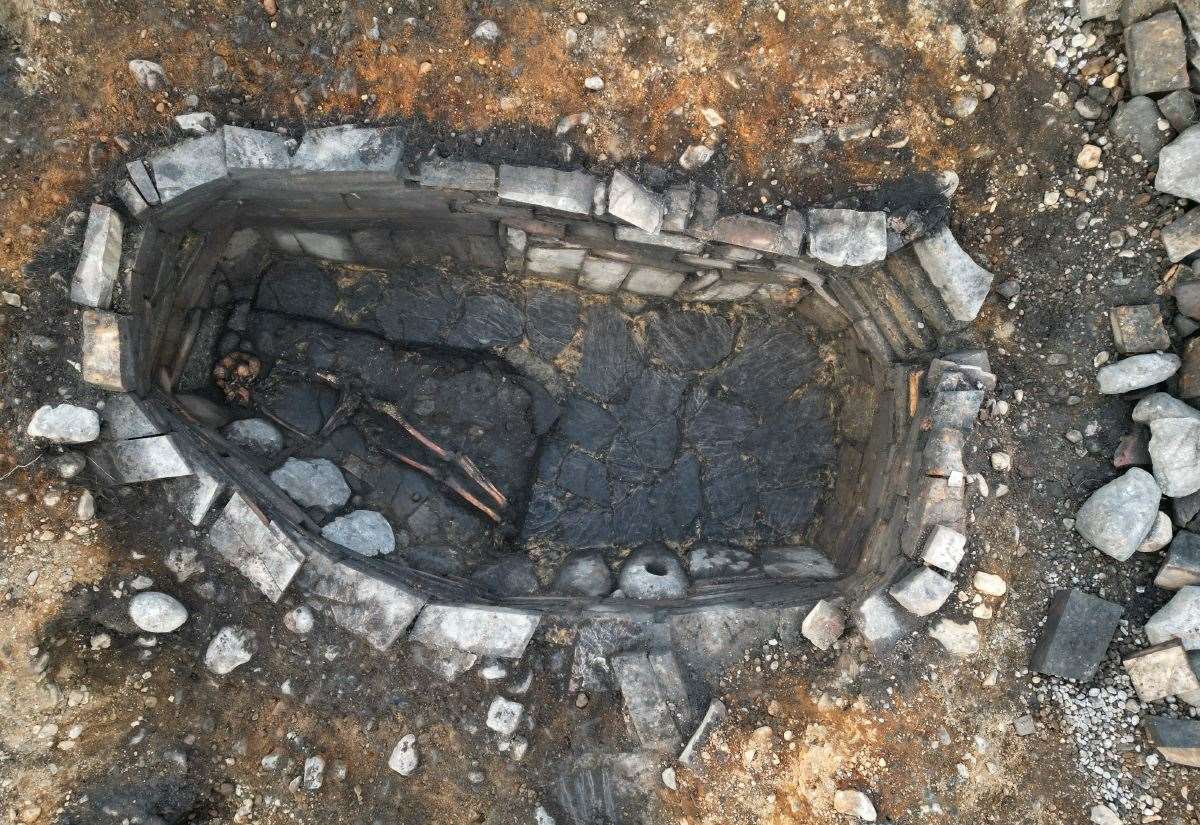
Archaeologists working in Pompeii's Insula Meridionalis have uncovered ceramic artifacts and materials from the 15th and 16th centuries. These finds prove people were living among the ruins and using the site more than a thousand years before the famous Bourbon excavations began.
"Without detracting from researchers who promoted the first archaeological excavations, we have to acknowledge that there was a local community here which, from the very day after the eruption, went on living in Pompeii and guarding its memory," says Gabriel Zuchtriegel, director of the Archaeological Park of Pompeii. The discovery challenges everything we thought we knew about the ancient city.
After Mount Vesuvius erupted, survivors returned to the area. Communities continued to use the land for farming and shepherding, living in the shadow of buried buildings. These weren't official expeditions or grand recoveries but ordinary people maintaining a connection to the past.
Even the place name offers clues. Locals called the area "Civita," a term that directly references the buried city beneath their feet. Farmers and shepherds may not have had the language of modern archaeology, but they remembered what lay underground.
Why This Inspires
This story reminds us that history belongs to everyone, not just official record keepers. While scholars debated in distant libraries, regular people walked the same ground their ancestors did and kept Pompeii's memory alive through daily life. They passed down stories, tended the land, and maintained a living connection to the past.
The Renaissance artifacts add another fascinating layer. Around the same time these communities were using the site, artists were creating works like the recently rediscovered Deposition of Christ by Andrea Mantegna, now housed in the Sanctuary of the Blessed Virgin of Pompeii. Both threads tell the same truth: Pompeii never left local consciousness.
"They are faint traces of precarious lives, in the shadow of official history," Zuchtriegel explains. For too long, these traces remained invisible because historians focused only on the dramatic endpoints: the eruption and the excavations. The 1,600 years in between held countless untold stories.
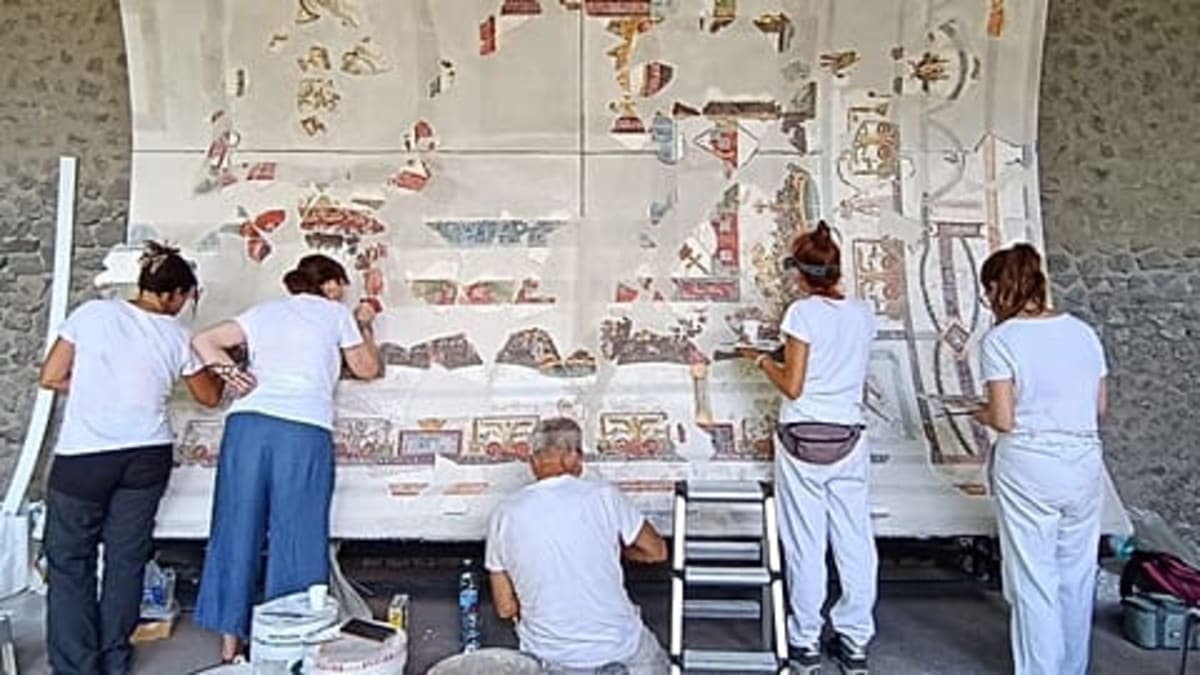
Today, visitors can see this ongoing work for themselves. The Archaeological Park offers guided tours of the Insula Meridionalis excavation site, where archaeologists continue uncovering evidence of this continuous human presence.
Pompeii wasn't reborn in the 18th century—it never truly died.
More Images
Based on reporting by Euronews
This story was written by BrightWire based on verified news reports.
Spread the positivity!
Share this good news with someone who needs it