Ancient Pollen Unlocks Roman Shipbuilding Secrets
Scientists analyzing a 2,200-year-old Roman shipwreck discovered that pollen trapped in waterproofing tar reveals exactly where sailors made repairs across the Mediterranean. This tiny time capsule is rewriting what we know about ancient maritime technology.
Pollen grains trapped in sticky pine tar are solving a 2,200-year-old mystery about how Roman sailors kept their ships seaworthy across the Mediterranean.
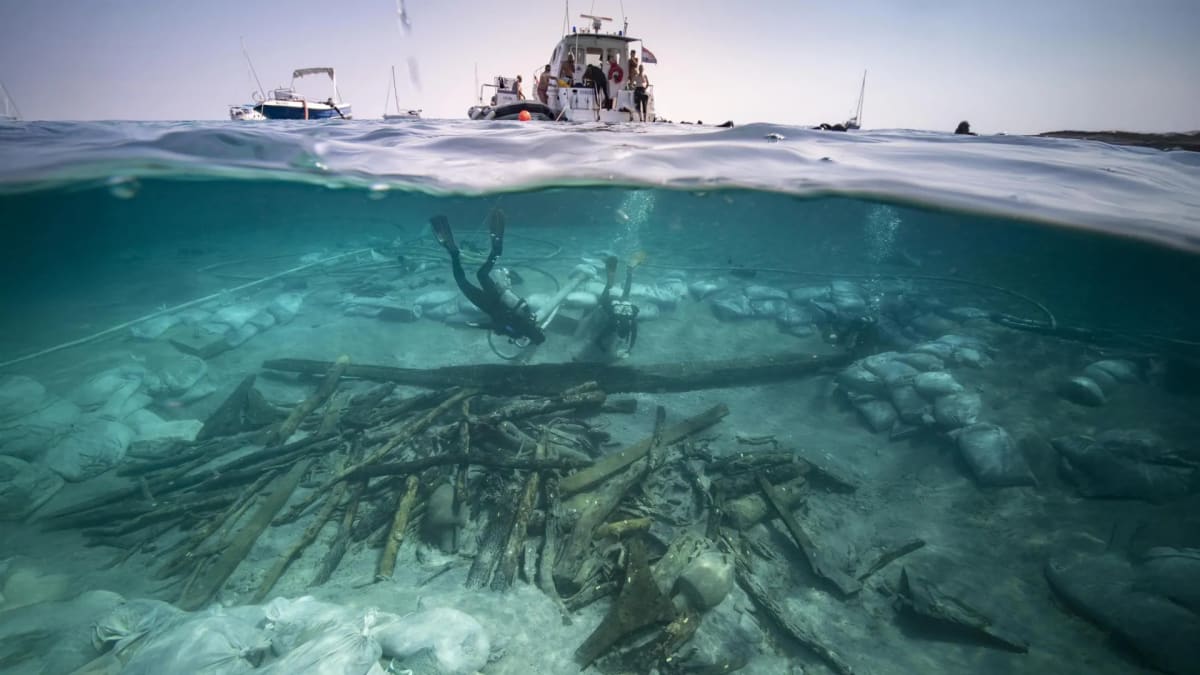
Researchers studying the Ilovik-Paržine 1 shipwreck off the coast of Croatia made a remarkable discovery. The pollen preserved in the ship's waterproof coating acts like a geographic fingerprint, showing exactly where the vessel stopped for repairs during its working life.
The ship sank around 200 BCE, but its protective coatings remained remarkably intact. Scientists at Aix-Marseille University in France and the Croatian Conservation Institute analyzed 10 coating samples using advanced mass spectrometry to identify the natural materials Romans used to protect their vessels.
They found the hull was sealed with pine tar, a heated resin also called pitch. One section contained something special: a mixture of tar and beeswax known to ancient Greeks as zopissa, which made the coating more flexible and easier to apply when hot.
The real breakthrough came from studying pollen trapped in that sticky pitch. Different pollen types pointed to completely different landscapes where repairs were made.
Some pollen came from Mediterranean coastal forests of holly oak and pine. Other samples contained alder and ash from riverbanks and seashores typical of the Adriatic coast. Mountain tree pollen like fir and beech suggested repairs made along the northeastern Adriatic, where coastal mountain ranges meet the sea.
The vessel appears to have received four to five separate coating applications over its lifetime. The stern and middle section shared the same material, but the bow showed three distinct batches, each with different pollen signatures.
Why This Inspires
This research opens a window into the everyday lives of Roman sailors that written records never captured. While ancient texts might describe grand naval battles, pollen tells the quieter story of skilled craftspeople maintaining vessels across multiple ports, using local materials and traditional knowledge passed down through generations.
Dr. Armelle Charrié, the study's lead archaeometrist, notes that waterproofing materials have been largely overlooked in archaeology despite being essential for ancient navigation. Her team's work reveals genuine diversity in Mediterranean shipbuilding traditions, showing how different coastal communities developed their own approaches to keeping vessels seaworthy.
Earlier research suggested the ship was built in Brundisium (modern-day Brindisi, Italy). The new pollen evidence confirms some coatings likely came from that area, while others were applied along the northeastern Adriatic coast near where the ship ultimately sank.
Each microscopic pollen grain preserved in that ancient tar represents a moment when sailors worked to keep their vessel afloat, connecting us across millennia to their practical ingenuity and determination.
Based on reporting by Science Daily
This story was written by BrightWire based on verified news reports.
Spread the positivity!
Share this good news with someone who needs it