China Breaks Ice Drilling Record at 3,413 Meters Deep
Chinese scientists just drilled deeper into Antarctic ice than anyone in history, reaching over two miles below the surface. This breakthrough opens new doors for understanding Earth's climate past and future.
Scientists in Antarctica just shattered the world record for ice drilling, punching through more than two miles of frozen history to reach a hidden lake below.
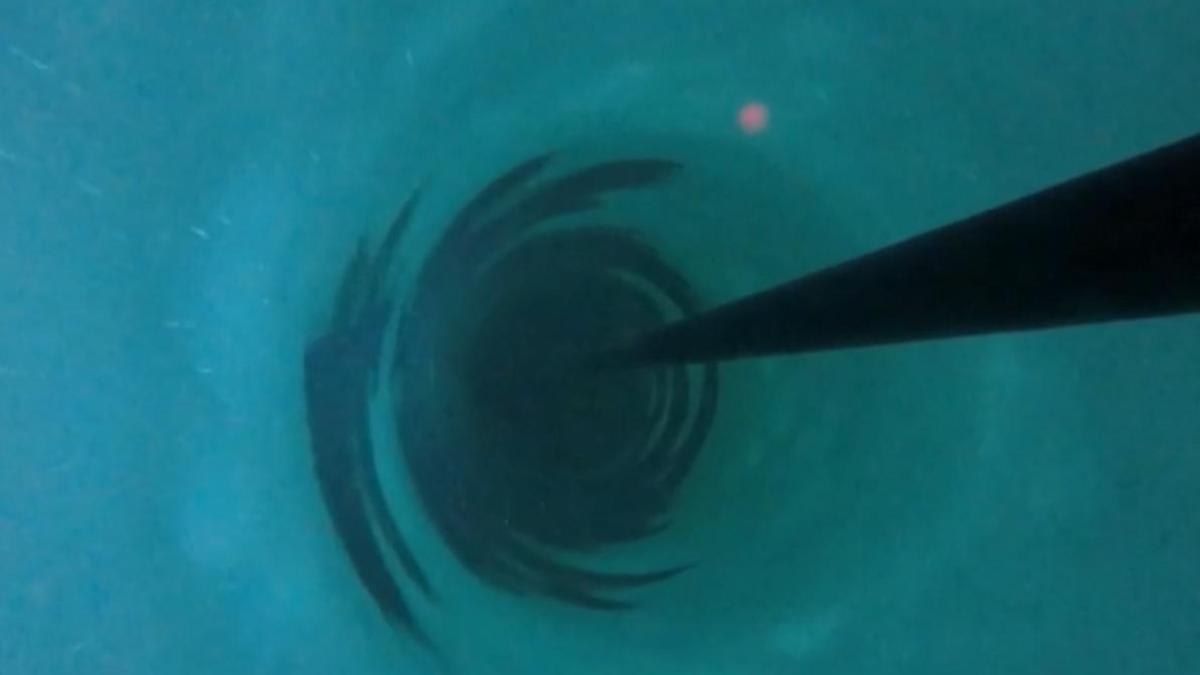
China's 42nd Antarctic expedition drilled 3,413 meters (about 11,200 feet) into the East Antarctic ice sheet above Qilin Subglacial Lake. That's nearly a kilometer deeper than the previous world record of 2,540 meters.
The team used hot-water drilling technology to melt through the ancient ice. This method allows scientists to access subglacial lakes without contaminating them, preserving their pristine conditions for study.
Subglacial lakes like Qilin have been sealed beneath ice for millions of years. They hold crucial clues about Earth's climate history and may even harbor unique life forms adapted to extreme conditions.
The Ripple Effect
This drilling achievement matters far beyond breaking records. By accessing these deep ice layers and subglacial environments, scientists can read Earth's climate story going back hundreds of thousands of years.
The data gathered from this depth will help researchers better predict future climate patterns. Ice cores act like time capsules, trapping ancient air bubbles and particles that reveal what Earth's atmosphere looked like long before humans existed.
Other nations conducting Antarctic research will benefit from China's technical breakthrough. The hot-water drilling method refined during this expedition could make future deep-ice projects safer and more efficient worldwide.
Understanding subglacial lakes also helps scientists study similar environments on other planets. Jupiter's moon Europa and Saturn's moon Enceladus both have subsurface oceans that might resemble conditions found beneath Antarctic ice.
The expedition demonstrates how international scientific cooperation in Antarctica continues to push boundaries. These extreme research efforts help humanity prepare for climate challenges ahead by learning from Earth's past.
This record represents years of engineering innovation and persistence in one of Earth's harshest environments, proving that human curiosity and determination can reach remarkable depths.
Based on reporting by Google News - World Record
This story was written by BrightWire based on verified news reports.
Spread the positivity!
Share this good news with someone who needs it