China Drills Record 3,413 Meters Deep in Antarctica
Chinese scientists just shattered the world record for hot-water drilling in Antarctica, reaching an incredible 3,413 meters below the ice. This breakthrough opens doors to understanding climate history and the extreme limits of life on Earth.
A Chinese research team just proved that impossible goals are meant to be shattered, drilling deeper into Antarctic ice than anyone in history.
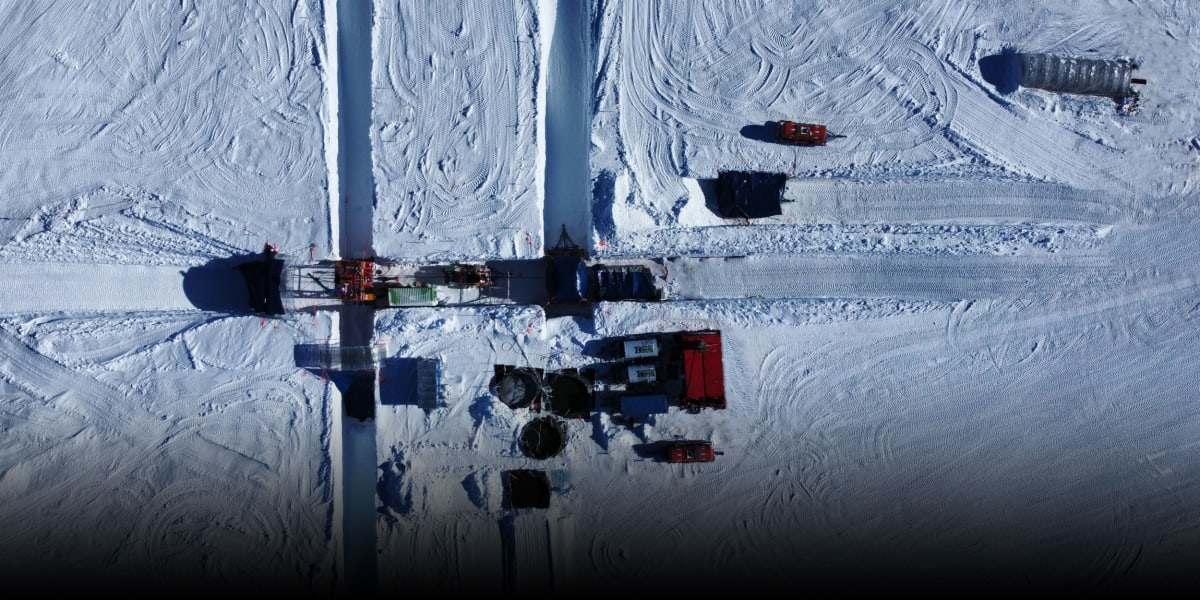
On February 5, scientists reached 3,413 meters beneath East Antarctica's ice sheet using hot-water drilling technology. That's nearly 900 meters deeper than the previous world record of 2,540 meters, and it opens a window into one of Earth's most mysterious environments.
The expedition team targeted Qilin Subglacial Lake, named after a mythical Chinese creature. These hidden lakes beneath Antarctica's ice hold secrets about our planet's climate history stretching back millions of years.
"Before drilling began, we didn't dare set a goal of reaching beyond 3,000 meters," said Guo Jingxue, who led the subglacial lake research team. "But our team was determined. If there was even a 1% chance that we would succeed, we would give 100% effort."
Hot-water drilling sounds simple, but it's revolutionary for polar research. Unlike traditional mechanical drilling, it cuts through ice faster and cleaner, causing minimal disturbance to the ancient layers below. This makes it perfect for accessing subglacial lakes and collecting pristine samples.
The breakthrough came during China's 42nd Antarctic Expedition, a massive collaboration involving the Polar Research Institute of China, Jilin University, and the China University of Geosciences. Over 500 researchers from more than 80 Chinese institutions participated, joined by scientists from Thailand, Chile, Portugal, and seven other countries.
Why This Inspires
This achievement represents years of international cooperation and technological innovation paying off. The team developed new techniques for keeping equipment working in extreme cold and preventing contamination of these pristine environments.
Antarctica's subglacial lakes exist under crushing pressure, in darkness, at temperatures below freezing, with almost no nutrients. Yet scientists believe they may harbor unique life forms adapted to these harsh conditions. Studying them helps us understand how life survives in extreme environments and what our changing climate means for the future.
The channel they created will let researchers collect water and sediment samples from Qilin Lake for years to come. Each sample offers clues about Earth's past climates, how ice sheets formed and moved, and how biological life evolved in isolation.
Beyond the drilling record, the expedition is upgrading China's Qinling Station and testing new polar vehicles. The team departed Shanghai in November and expects to return in May with discoveries that will shape climate research for decades.
China built its first Antarctic research station in 1985, becoming the 18th nation to establish a permanent presence on the continent. Four decades later, Chinese scientists are pushing the boundaries of what's possible in polar exploration.
This record proves that with determination and collaboration, we can unlock Earth's deepest secrets and better understand the planet we all share.
Based on reporting by Sixth Tone
This story was written by BrightWire based on verified news reports.
Spread the positivity!
Share this good news with someone who needs it