China-Europe SMILE Satellite Makes History in Space
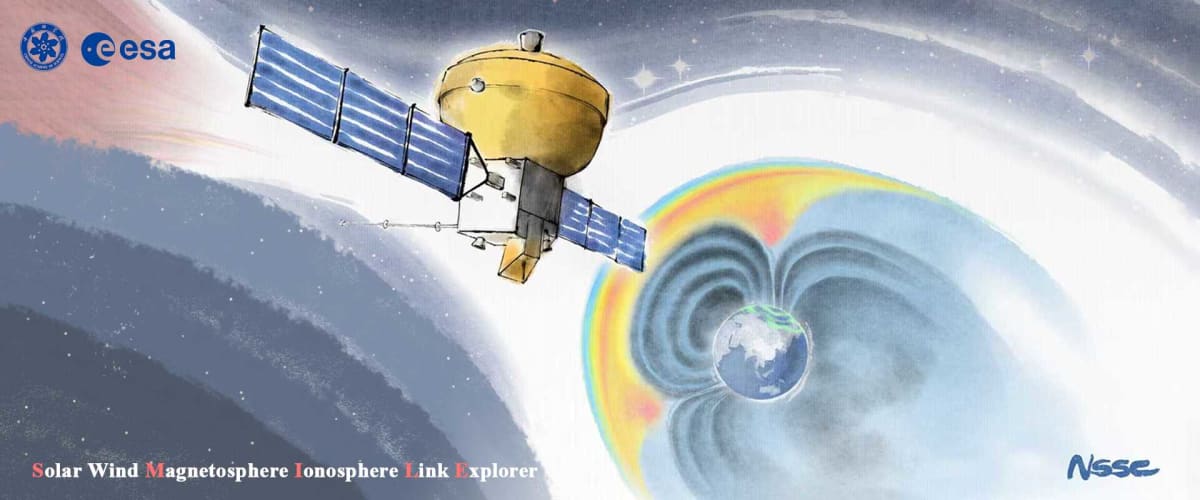
A groundbreaking space mission between China and Europe just launched successfully, marking a new era of international cooperation that will help protect Earth from dangerous space weather. The SMILE satellite will give scientists their first panoramic view of how solar winds interact with our planet's magnetic shield.
Scientists from China and Europe just made space exploration history with a satellite that could change how we predict and prepare for dangerous solar storms.
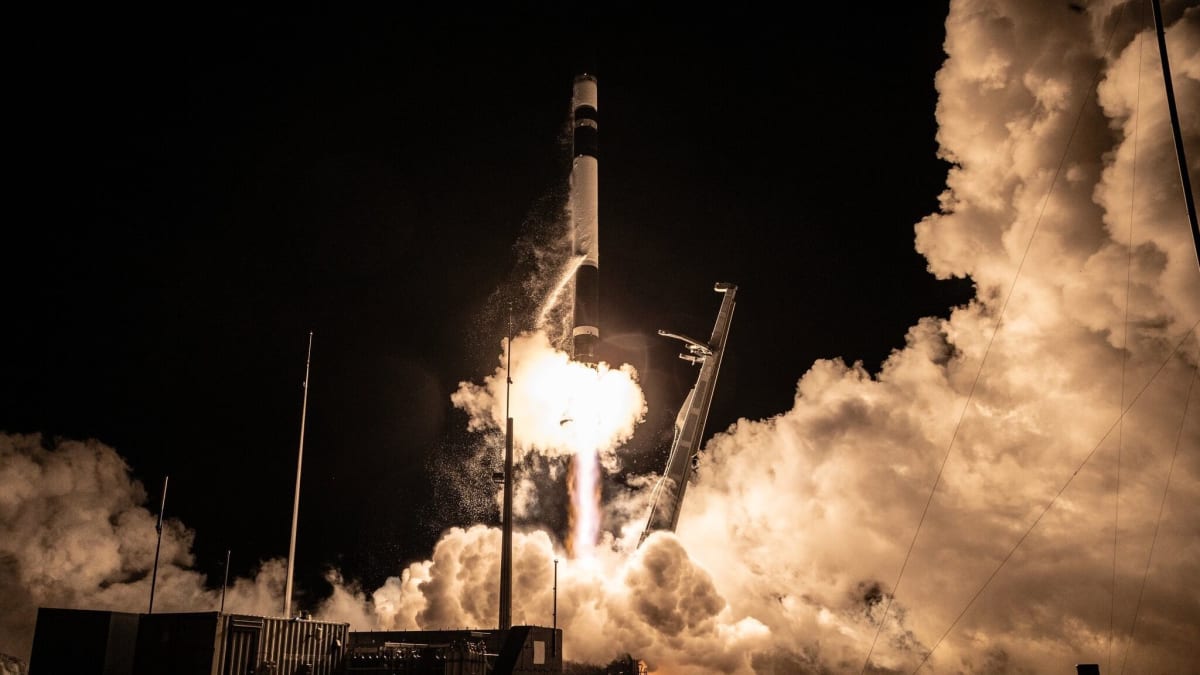
The Solar wind Magnetosphere Ionosphere Link Explorer, known as SMILE, launched successfully today from French Guiana aboard a Vega-C rocket. Within hours of liftoff, mission control confirmed the satellite reached its planned orbit with all systems working perfectly.
This mission represents something rare in space exploration: a true partnership. The Chinese Academy of Sciences and European Space Agency worked together from the very beginning, sharing responsibilities equally across every phase of the project.
China built the satellite platform and will handle mission control, while Europe provided the launch vehicle and tracking support. Scientists from both regions collaborated on four cutting-edge instruments that will work together like never before.
The star of the show is the world's first space-based Soft X-ray Imager. This revolutionary camera can actually see the invisible boundary where solar wind meets Earth's protective magnetic bubble. Think of it as giving scientists X-ray vision to watch our planet's shield in action.
Three other instruments will measure solar wind particles, photograph auroras in ultraviolet light, and track magnetic field changes. Together, they'll capture both the big picture and the fine details of space weather events as they happen.
The Ripple Effect
The benefits of this mission reach far beyond scientific curiosity. Solar storms can knock out power grids, disrupt GPS systems, and damage satellites that modern life depends on. Better forecasting could prevent billions in damages and keep critical infrastructure running during space weather events.
After a month of orbital adjustments and two months of testing, SMILE will begin its three-year mission collecting data. All findings will be shared openly with scientists worldwide, turning this bilateral project into a global resource.
The collaboration model itself might be the mission's most important achievement. By splitting costs and responsibilities while sharing all results equally, China and Europe created a template that other nations could follow for future space projects.
Universities and research institutes across both continents contributed expertise, with British scientists leading one instrument while Chinese teams spearheaded others. This cross-pollination of knowledge strengthened both programs.
The mission builds on the successful Double Star Program from two decades ago, proving that sustained international partnerships in space science can thrive even as geopolitical winds shift.
As SMILE begins its journey to its final orbit, it carries more than scientific instruments into the sky. It demonstrates that humanity's biggest challenges are best solved together, one collaborative mission at a time.
Based on reporting by Google News - Cooperation Success
This story was written by BrightWire based on verified news reports.
Spread the positivity!
Share this good news with someone who needs it