China Extracts Rare Metals From Lithium Waste at New Plant
A new facility in China is turning lithium waste into valuable rare metals needed for quantum computers and aerospace technology. The 500-tonne production line is the first of its kind in the world.
What if the key to advancing quantum computing was hiding in the trash? China just proved it is, launching a groundbreaking facility that extracts critical rare metals from discarded lithium waste.
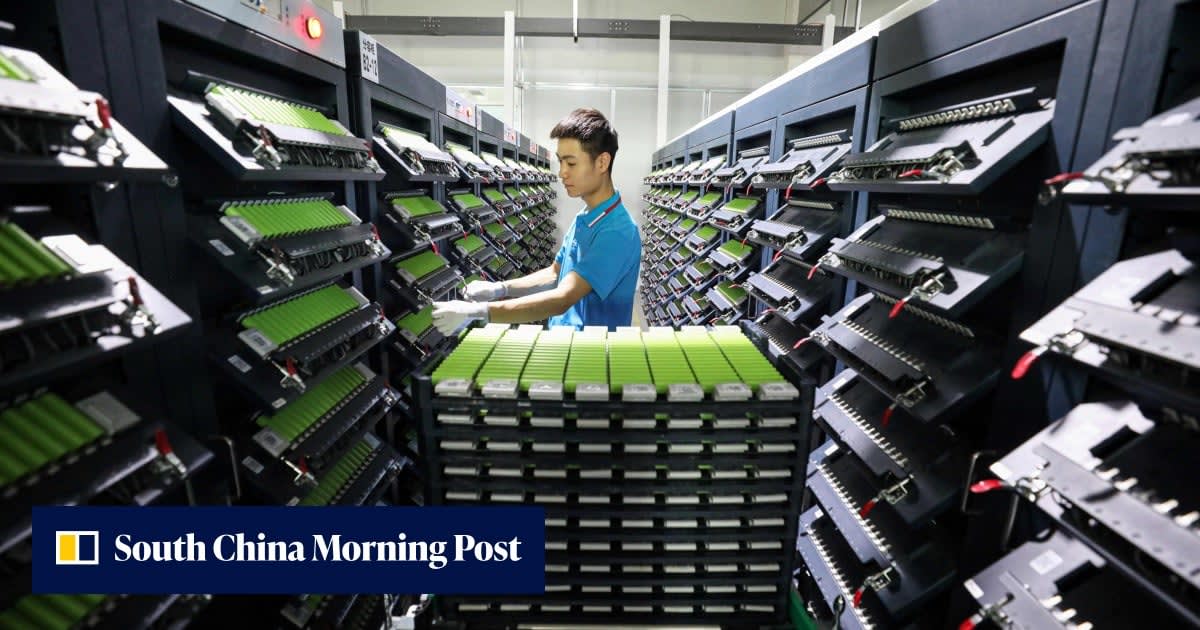
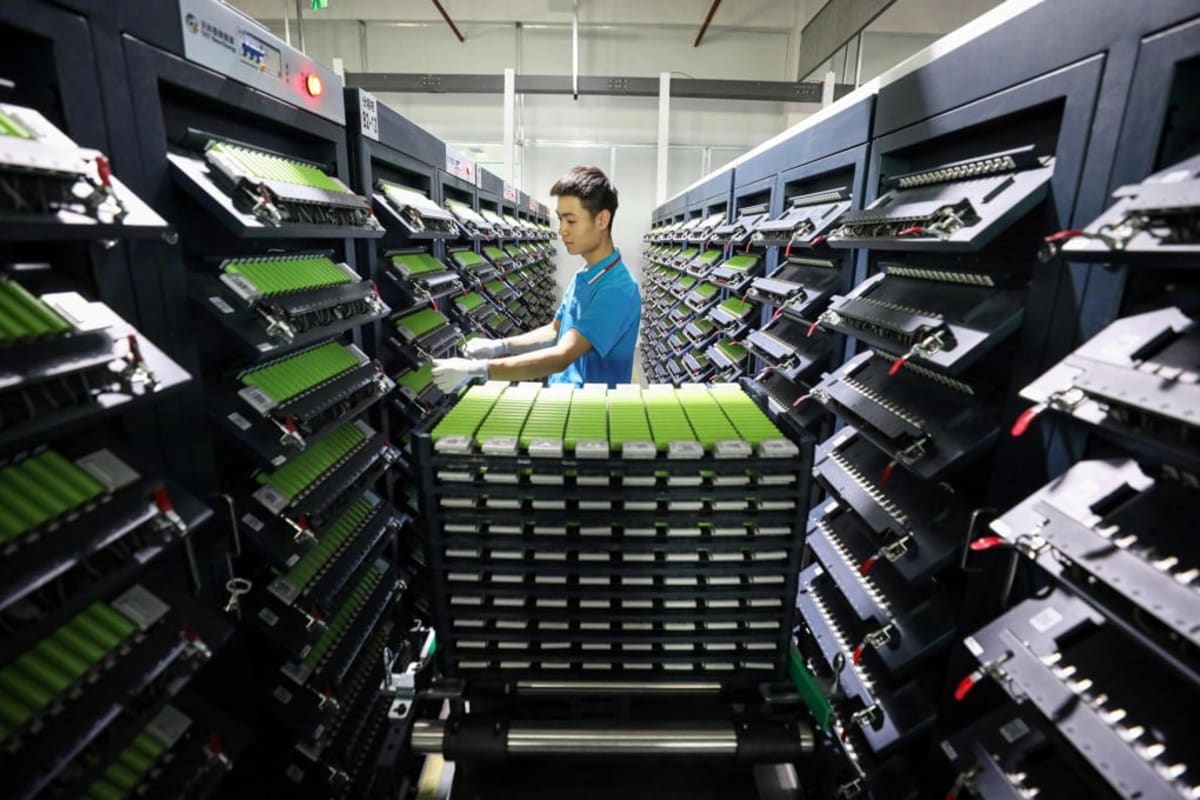
The world's first commercial plant capable of extracting rubidium and caesium at scale opened in Jiangxi province. The facility can process 500 tonnes annually, transforming low-grade waste into high-value materials essential for cutting-edge technology.
Rubidium and caesium aren't household names, but they power some of humanity's most exciting innovations. These rare metals are critical for quantum computers, aerospace engineering, advanced medical treatments, and next-generation energy systems.
The breakthrough comes from the Institute of Process Engineering under the Chinese Academy of Sciences. Their continuous tower extraction method successfully separates these valuable elements from materials previously considered waste.
The timing couldn't be better. As demand for lithium batteries explodes with electric vehicle adoption, so does lithium waste. This facility turns an environmental challenge into an innovation opportunity.
The Ripple Effect
This isn't just about extracting metals. The facility demonstrates how circular economy thinking can solve two problems at once.
By mining waste instead of virgin ore, the process reduces environmental impact while securing materials in short supply. Traditional mining for these rare elements is expensive, environmentally damaging, and geographically limited.
The technology could reshape global supply chains for critical materials. Countries producing lithium batteries now have a new incentive to process their waste domestically rather than shipping it elsewhere.
For quantum computing researchers and aerospace engineers worldwide, more accessible rubidium and caesium means faster innovation. Technologies once limited by material scarcity can now advance more quickly.
The facility has already achieved stable production, proving the concept works at commercial scale. That's the difference between a laboratory curiosity and a solution that can actually change industries.
This approach could extend to other valuable materials currently lost in industrial waste streams. If rubidium and caesium can be profitably recovered, what else are we throwing away?
The future of technology might not require digging deeper into the earth but looking more carefully at what we've already used.
More Images
Based on reporting by South China Morning Post
This story was written by BrightWire based on verified news reports.
Spread the positivity!
Share this good news with someone who needs it