China Fossil Site Rewrites Animal Evolution by 4 Million Years
Scientists discovered over 700 fossils in China proving complex animal life existed millions of years earlier than believed. The find includes early ancestors of starfish, worms, and even animals with backbones from 554 million years ago.
A groundbreaking fossil discovery in southwest China just pushed back the timeline of complex animal life by at least 4 million years, solving one of evolution's biggest mysteries.
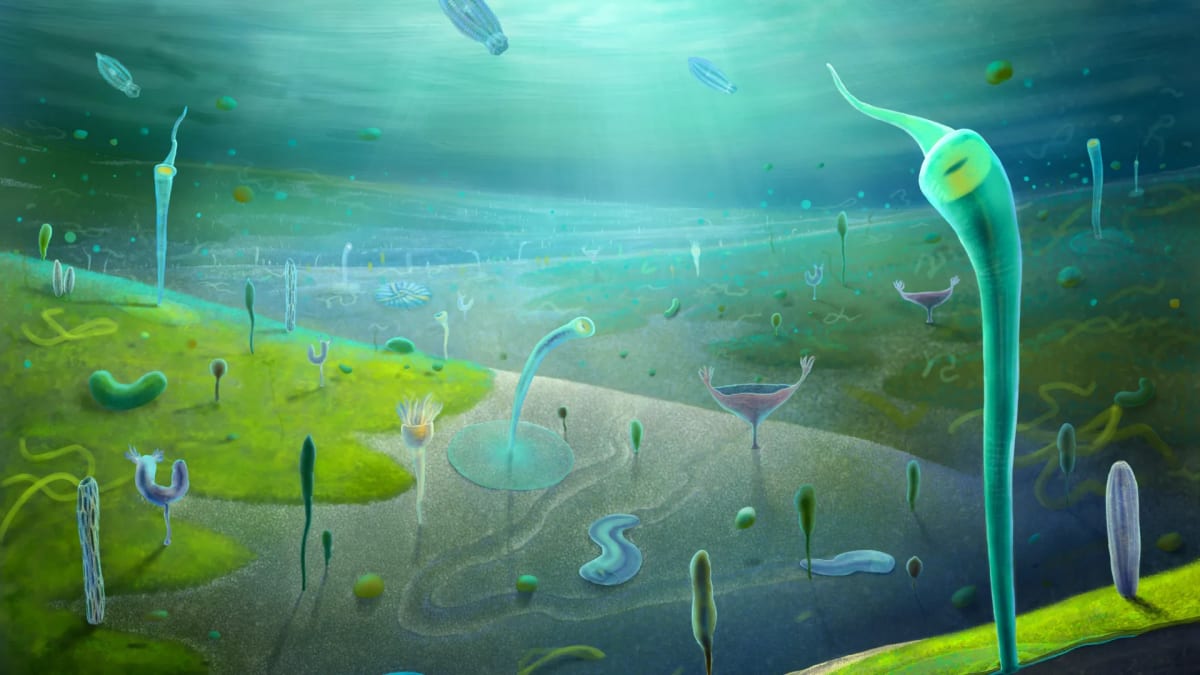
Scientists from Oxford University and Yunnan University uncovered more than 700 fossils in Yunnan Province dating back 554 to 539 million years ago. These ancient creatures lived during the late Ediacaran period, before the famous Cambrian explosion that scientists thought marked the beginning of diverse animal life around 535 million years ago.
The fossils reveal an unexpectedly advanced underwater world. Among the finds are the oldest known relatives of deuterostomes, a major animal group that eventually gave rise to all vertebrates, including humans and fish.
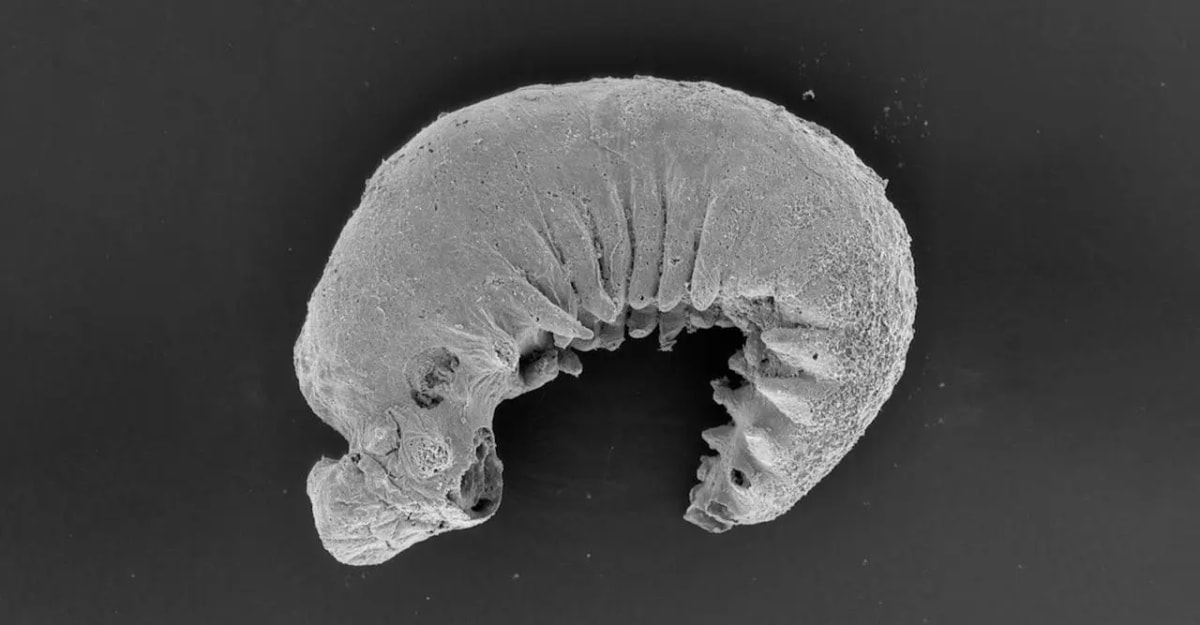
Researchers also discovered early ancestors of starfish and acorn worms. These creatures had U-shaped bodies, anchored themselves to the seafloor with stalks, and used tentacles near their heads to catch food.
Dr. Gaorong Li, the study's lead author, explained that this discovery closes a major gap in understanding early animal life. "For the first time, we demonstrate that many complex animals, normally only found in the Cambrian, were present in the Ediacaran period," he said.
The site preserved details rarely seen in fossils this old. Unlike most ancient fossils that show up as simple impressions in rock, these specimens were preserved as carbonaceous films. This allowed scientists to see feeding structures, digestive systems, and movement organs in remarkable detail.
Why This Inspires
This discovery proves that life found ways to diversify and become complex far earlier than we imagined. The fossils show nature experimenting with different body plans and survival strategies millions of years before scientists thought possible.
Some specimens display unusual feature combinations that don't match any known species from either period. One, according to Dr. Frankie Dunn, "looks a lot like the sand worm from Dune!"
The find also explains why genetic studies kept suggesting ancient animal lineages existed before the Cambrian explosion, even though fossil evidence was missing. Dr. Ross Anderson notes that other sites from this time period simply may not have preserved these creatures as well.
The research team from Yunnan University, led by Professor Peiyun Cong and Associate Professor Fan Wei, spent nearly a decade searching for these fossils. Their patience paid off with a discovery that rewrites our understanding of life's earliest chapters.
This lost world shows us that even 540 million years ago, life was already building the foundation for everything that would follow, including us.
Based on reporting by Google: fossil discovery
This story was written by BrightWire based on verified news reports.
Spread the positivity!
Share this good news with someone who needs it