NASA Rover Finds Ancient Life Clues in Mars Crater
NASA's Perseverance rover discovered chemical signatures in Mars' Jezero Crater that suggest the red planet once hosted conditions favorable for ancient life. The findings include carbon deposits in billion-year-old sedimentary rocks from what was once a lake.
Scientists may have found the first real evidence that Mars once supported life, thanks to remarkable discoveries in an ancient crater that used to be filled with water.
NASA's Perseverance rover has detected complex chemical signatures in Jezero Crater, a region that held a lake billions of years ago. The robotic explorer identified carbon deposits embedded in sedimentary rocks, with geometric patterns that resemble structures created by primitive microbes on Earth.
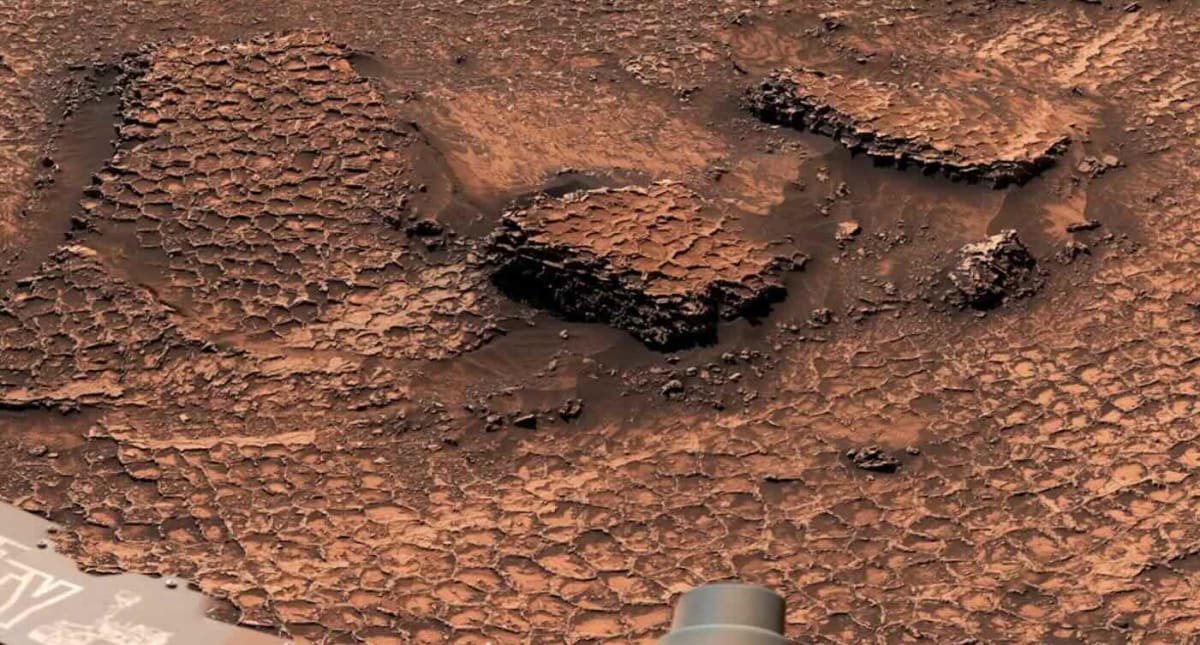
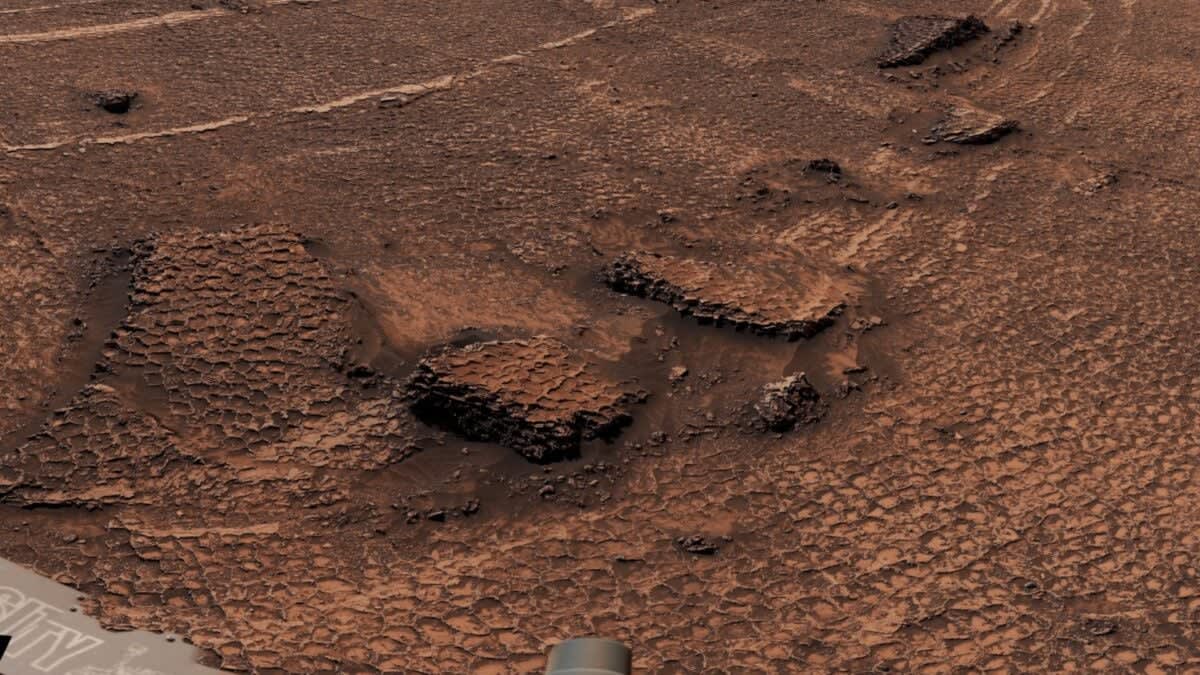
High-resolution images captured by Perseverance show geological formations strikingly similar to fossils found on our planet. The sediments' design suggests they formed through processes that mirror those carried out by early microbial life here at home.
Researcher Teresa Fornaro from Italy's Arcetri Observatory told reporters that the minerals and complex organic matter represent encouraging signs Mars was habitable in its distant past. These aren't just random rocks. They're time capsules from an era when the red planet may have been teeming with microscopic life.
The discovery gains even more significance because of where these samples were found. Jezero Crater was specifically chosen as Perseverance's landing site because scientists suspected it once contained water, a key ingredient for life as we know it.
The Ripple Effect
This breakthrough is already energizing the global space science community and sparking new missions. The European Space Agency is preparing to launch a new robotic explorer equipped with an advanced drill designed to dig deeper into Mars' subsurface, where organic compounds might be shielded from harmful solar radiation.
The implications stretch far beyond Mars itself. If life emerged independently on two planets in our solar system, it suggests the universe could be filled with living worlds we haven't discovered yet.
Finding definitive proof of past life on Mars would fundamentally transform our understanding of our place in the cosmos. It could also drive the development of groundbreaking technologies for future exploration missions, bringing us closer to answering humanity's oldest question: Are we alone?
The next chapter in Mars exploration promises to be the most exciting yet.
More Images

Based on reporting by Google: NASA discovery
This story was written by BrightWire based on verified news reports.
Spread the positivity!
Share this good news with someone who needs it