China Halts Highway to Save 443 Rare Birds
When a $710 million highway threatened the last habitat of critically endangered spoon-billed sandpipers, a 24-year-old engineering student who'd never seen the birds sparked an online movement that changed government plans. China's central environmental authorities stopped the project after thousands of first-time activists flooded officials with emails and calls.
Li Jiahe cried through a Pixar movie about animals fighting to save their home from a highway. Days later, scrolling through his phone in a Dutch university hallway, he discovered the same plot was unfolding in real life.
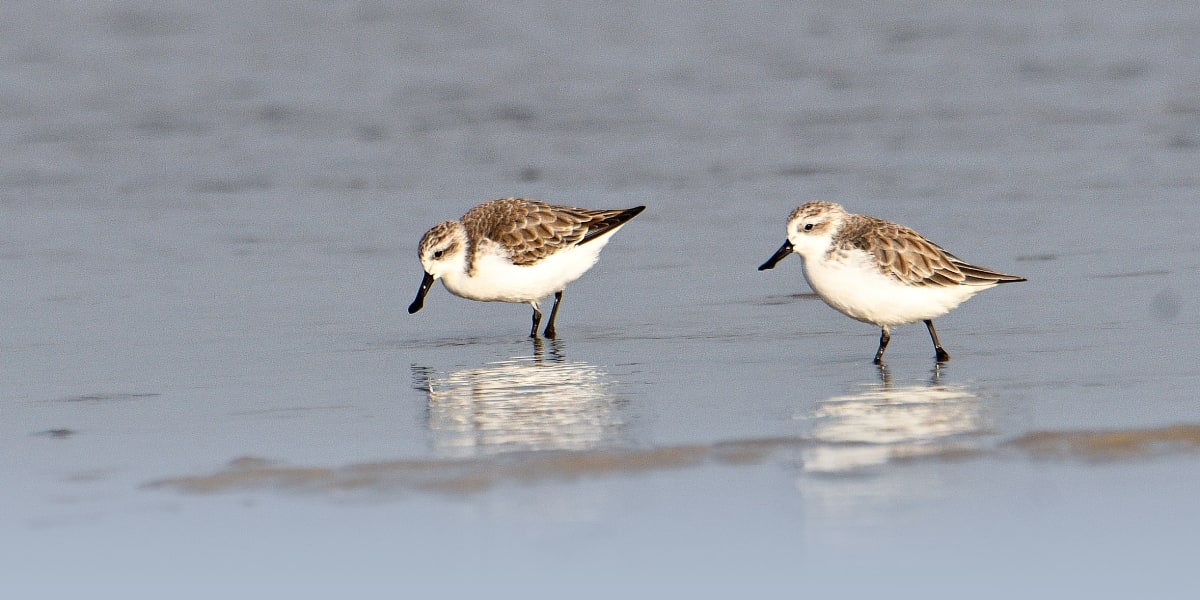
A highway approved in China's Guangxi province would slice through mudflats where spoon-billed sandpipers winter. With only 443 of these white shorebirds left on Earth, they're rarer than giant pandas.
The 24-year-old engineering student had never visited the coast and had never seen the birds. But he couldn't shake the image of their spoon-shaped bills and round bodies wobbling across the screen.
So he did something he'd never done before. He emailed the Ramsar Convention, an international wetlands organization, to report the threat.
Li wasn't alone. Liu Yang, a legal professional and birdwatcher in Guangxi, rallied his 200-member birding group to call government phone lines and mail physical letters. Thousands of others joined online, many taking their first-ever environmental action.
Memes of cartoon sandpipers carrying "save me" signs flooded Chinese social media. Users affectionately called them "little spoons" and asked how to help.
The proposed six-lane highway would cover 47 kilometers and cost 5.1 billion yuan ($710 million). An environmental impact assessment admitted the project would occupy over 24 hectares of critical sandpiper habitat and cut through protected mangrove wetlands.
The report claimed the highway qualified for an exemption because alternative routes faced geographic constraints. On April 30, local authorities approved the plan anyway.
Activists thought they'd lost. Then something shifted.
The Ripple Effect
On May 25, China's central environmental authorities halted the highway plans. The provincial government announced it would evaluate alternatives and seek input from environmental experts and the public.
The victory shows how conservation priorities can override local development projects when citizens speak up. For a country balancing rapid economic growth with environmental protection, this decision signals progress.
Li and other volunteers compiled detailed information about the migratory birds' survival needs and shared it with international organizations. Their research showed these wetlands aren't just local treasures but critical links in a chain of habitats spanning continents.
Liu Yang put it simply: "Birds can't speak for themselves. We have a responsibility to speak for them."
The highway's fate remains uncertain as officials review alternatives. But thousands of ordinary people discovered their voices matter, even for creatures they've never met.
Li reflected on watching that tiny bird on his screen and feeling compelled to act: "On a planet this big, if we can't even make room for something so small, how can we talk about bigger issues?"
A generation of first-time activists just learned they can make governments listen.
Based on reporting by Sixth Tone
This story was written by BrightWire based on verified news reports.
Spread the positivity!
Share this good news with someone who needs it