China Lands Reusable Rocket After Moon Capsule Safety Test
China just pulled off two space firsts in one launch, testing both a crew capsule escape system and landing a reusable rocket in the ocean. The country is racing toward landing astronauts on the Moon by 2030.
📺 Watch the full story above
China's space program just checked two major boxes off its lunar mission checklist in a single spectacular test flight this week.
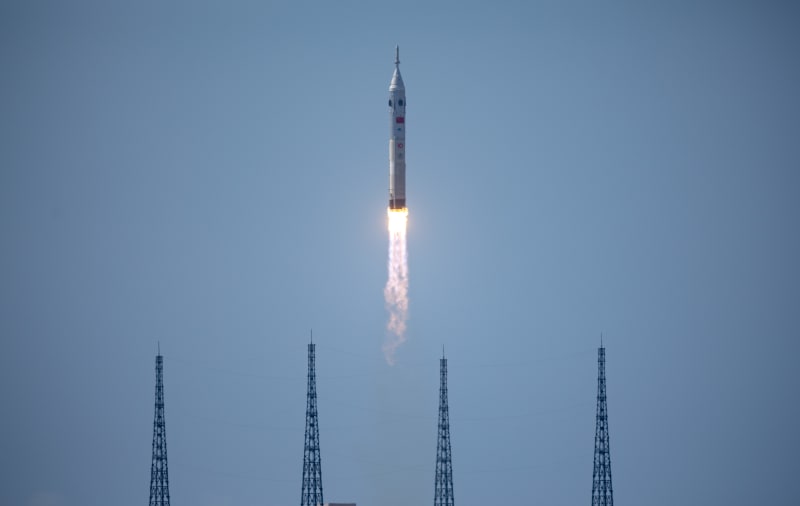
On Tuesday night, a scaled-down version of China's new Long March 10 rocket lifted off from Wenchang Space Launch Site carrying the Mengzhou spacecraft, a capsule designed to carry astronauts to the Moon. Just over a minute into flight, the capsule fired its abort motors and separated from the rocket, testing the system that could save astronauts' lives if something went wrong during launch.
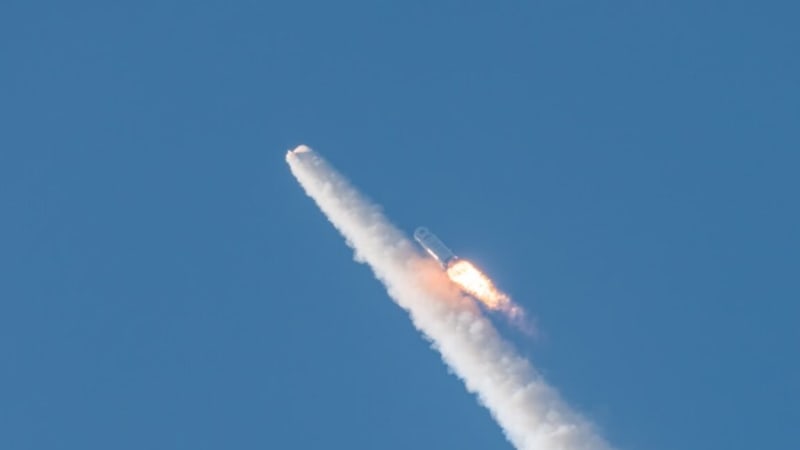
But here's where it gets impressive. Instead of falling into the ocean like similar test rockets from NASA and SpaceX, the Long March 10 kept climbing into space on its own. After reaching altitude, the booster flipped around, reignited its engines, and successfully landed upright in the South China Sea next to a waiting recovery barge.
Both the capsule and the rocket splashed down safely in their designated areas. The China Manned Space Agency called it a "significant breakthrough" for the country's manned lunar exploration program.
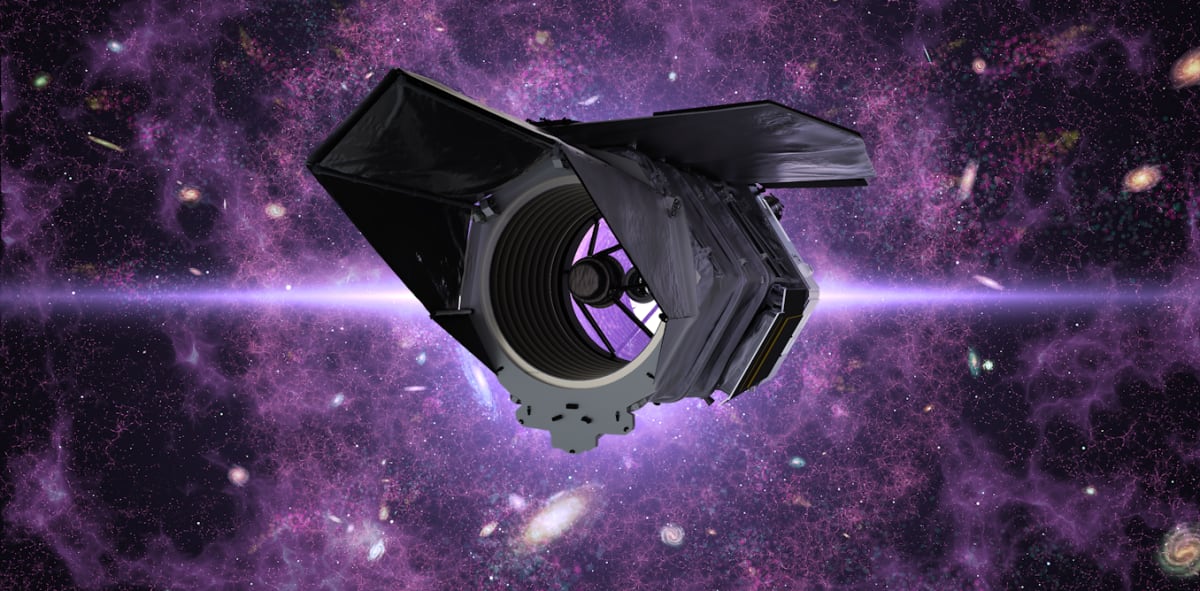
The Mengzhou spacecraft, which translates to "dream vessel," will eventually ferry Chinese astronauts from Earth to lunar orbit, where they'll transfer to a separate lander for the trip to the Moon's surface. The reusable capsule can carry up to seven astronauts on trips to China's space station and smaller crews for lunar missions.
This wasn't just about testing safety systems. China demonstrated it can recover and reuse rocket boosters, a technology that dramatically cuts the cost of space travel. SpaceX has been doing this for years, but China is now proving it can compete in the reusable rocket game.
The Ripple Effect
China and the United States are both racing to return humans to the Moon for the first time in over 50 years. This test puts China's 2030 lunar landing goal within realistic reach. The full-size Long March 10, powered by 21 engines across three boosters, will be powerful enough to send the 26-ton Mengzhou spacecraft on its journey to the Moon.
The spacecraft is scheduled for its first orbital test flight later this year, when it will launch on a Long March 10A rocket and dock with China's Tiangong space station. Engineers also completed ground-level abort tests last year and multiple test-firings on the launch pad, building confidence in the system's reliability.
By mastering both crew safety systems and rocket reusability in one flight, China is showing the world that the new space race is very much on.
More Images



Based on reporting by Ars Technica
This story was written by BrightWire based on verified news reports.
Spread the positivity!
Share this good news with someone who needs it