China Stone Tools Rewrite 160,000-Year Innovation Story
Ancient tools discovered in China prove our ancestors were master craftspeople 160,000 years ago, challenging the old story that innovation only happened in Africa and Europe. The find includes 2,600 sophisticated tools that show early humans in Asia were just as creative and skilled as anywhere else in the world.
Scientists just rewrote the story of human innovation, and China is now at the center of a technological revolution that happened up to 160,000 years ago.
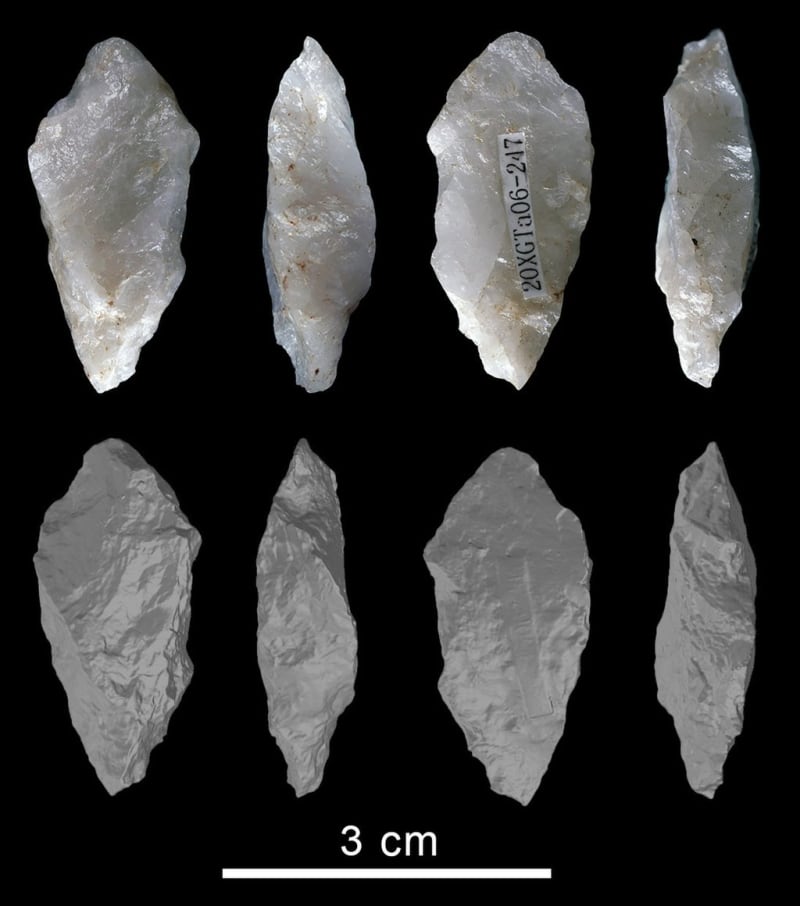
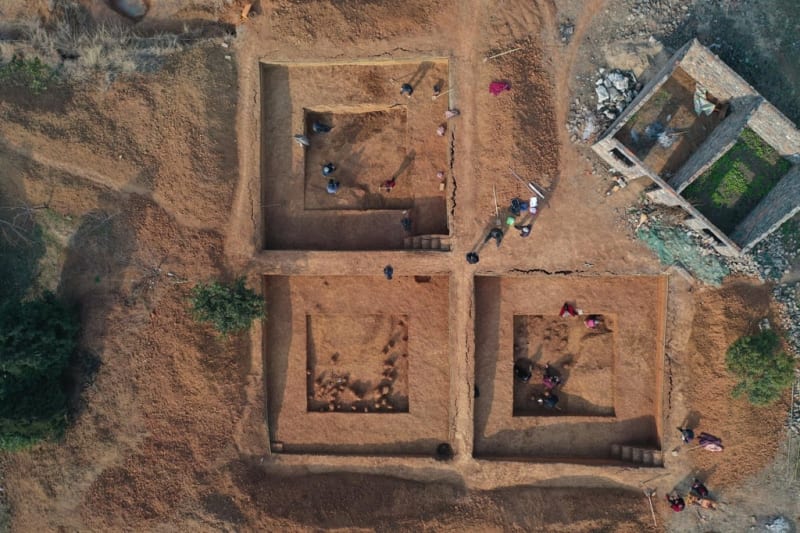
An international team of archaeologists discovered 2,600 stone tools at Xigou, a site in central China's Henan province. These weren't simple rocks used for basic tasks but sophisticated instruments designed for cutting, piercing, and sawing with remarkable precision.
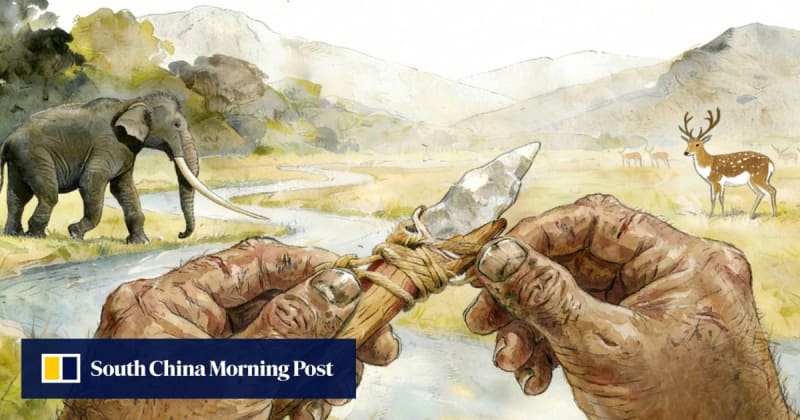
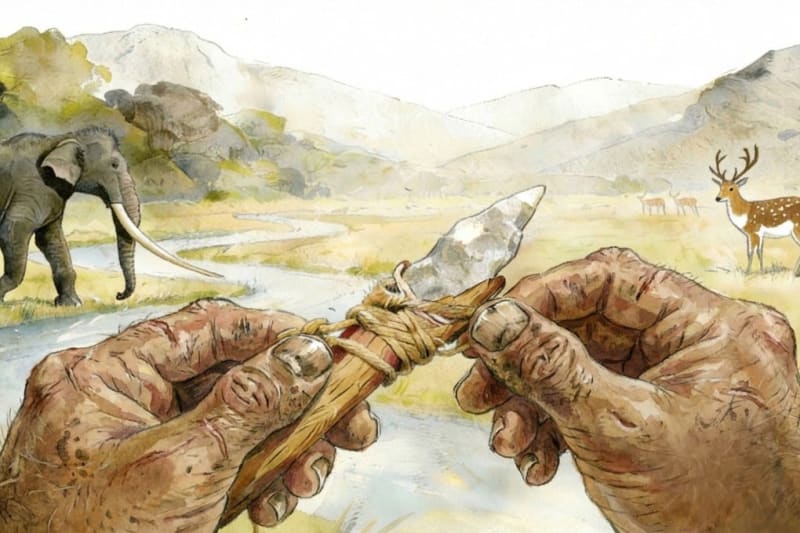
The real breakthrough was finding hafted tools, where stone pieces were attached to wooden handles or shafts. These composite tools are the earliest evidence of such advanced engineering in eastern Asia, dating between 160,000 and 72,000 years ago.
The discovery flips a long-held belief on its head. For decades, researchers assumed that while ancient humans in Africa and Europe made technological leaps, those in East Asia stuck with basic, simple tools.
The Xigou tools tell a different story entirely. Most were crafted from quartz and quartzite collected from local riverbeds, with over two-thirds smaller than 2 inches. Ancient craftspeople carefully retouched working edges to create scrapers, borers, and specialized cutting instruments.
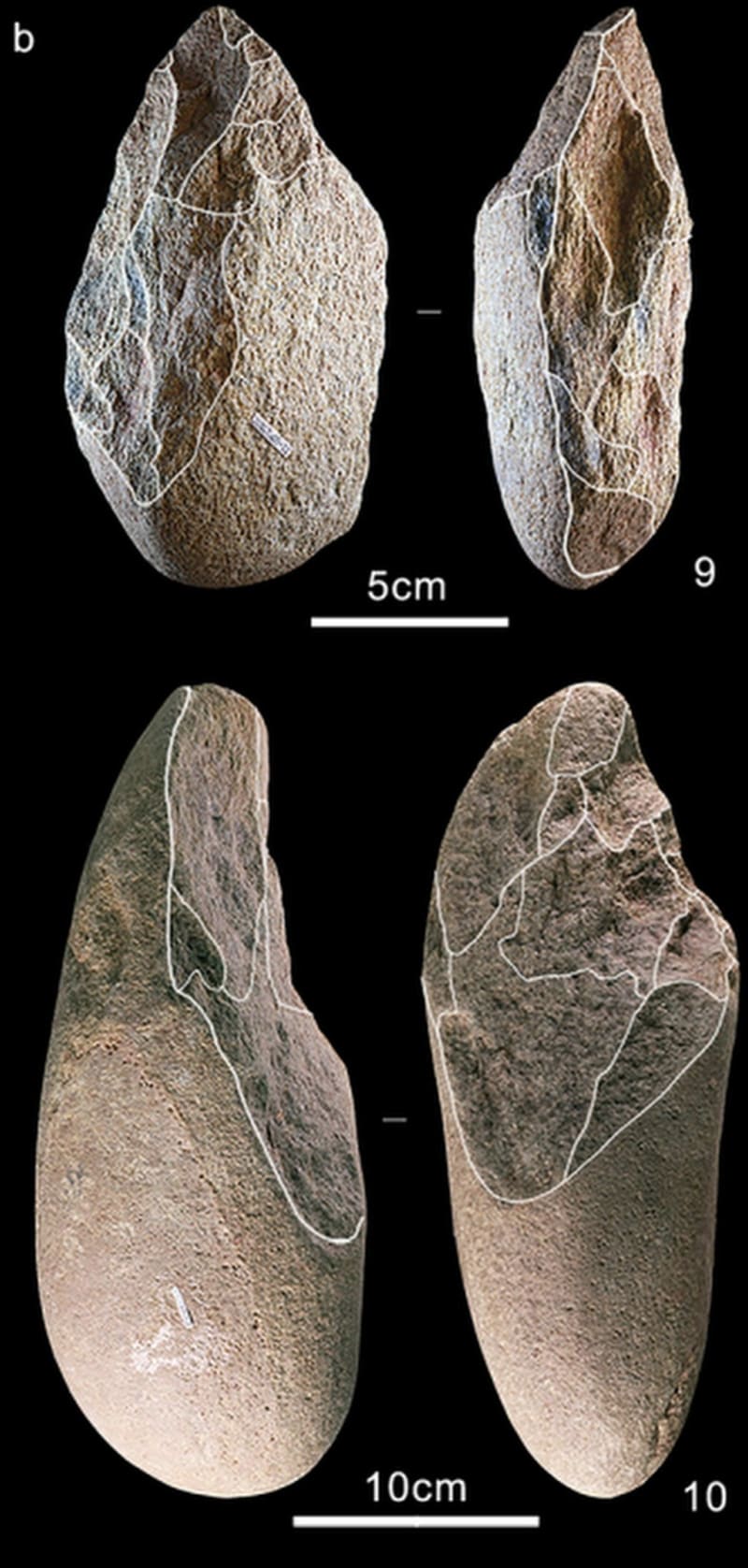
The team also found three hand-axes and two picks, created by sculpting raw materials into precise forms. This level of planning and skill shows what lead author Yue Jianping calls "a high degree of behavioural flexibility and ingenuity."
Why This Inspires
This discovery does more than add a few artifacts to museum collections. It restores dignity to an entire region's forgotten ancestors and proves that innovation happened everywhere humans lived, not just in the places history books traditionally celebrated.
The tools match up with recent evidence that hominins in China at the time, including species like Homo longi and Homo juluensis (named for their huge heads), had larger brain sizes. Physical capability and creative thinking went hand in hand.
Associate Professor Yang Shixia from Beijing's Institute of Vertebrate Palaeontology and Palaeoanthropology explains that emerging evidence from Xigou and similar sites reveals "a richer and more complex technological landscape than previously recognized." Early technologies in China included prepared-core methods and innovative retouched tools that matched anything being created elsewhere.
The site itself sits along a river flowing into Asia's largest artificial freshwater lake, near the Qinling mountain range. Excavated between 2019 and 2021, it was a perfect location for resourceful ancient humans who knew how to use their environment.
What makes these tools so remarkable isn't just their age or complexity but what they represent about human potential. They show that no matter where people lived, they possessed the same drive to solve problems, improve their lives, and push the boundaries of what was possible.
Our ancestors in China were master innovators who deserve their place in the story of human progress.
More Images
Based on reporting by South China Morning Post
This story was written by BrightWire based on verified news reports.
Spread the positivity!
Share this good news with someone who needs it