James Webb Finds Rocky Planet 26 Light-Years Away
The James Webb Space Telescope spotted water vapor signals from a rocky planet roughly Earth's size, advancing our search for worlds beyond our solar system. While the planet likely has little atmosphere, scientists are gaining crucial insights into how to study distant rocky worlds.
Scientists using the James Webb Space Telescope detected promising signals from a rocky planet just 26 light years away, marking another milestone in our quest to understand Earth-like worlds beyond our solar system.
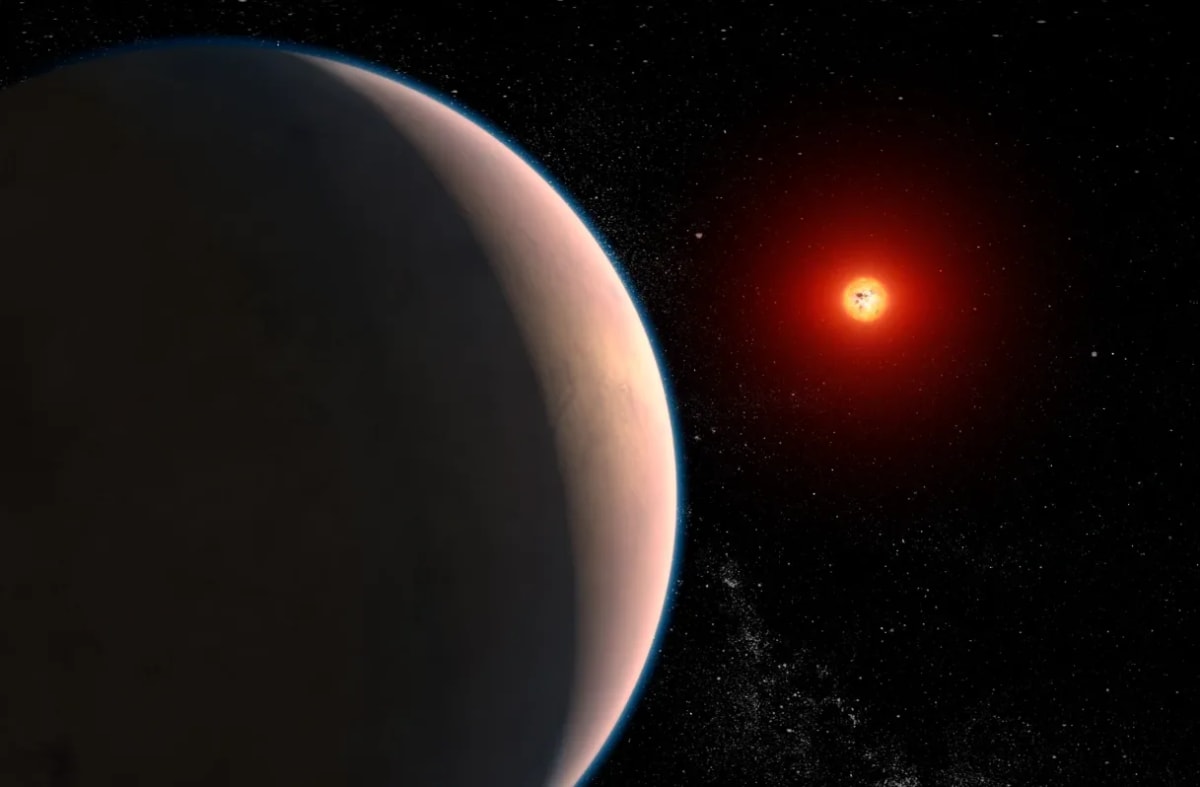
The planet, called GJ 486 b, sits in the constellation Virgo and measures about 1.3 times Earth's radius. It whips around its red dwarf star in just 1.47 days, completing an orbit faster than most of us finish our to-do lists.
Initial observations sparked excitement when instruments detected what looked like water vapor as the planet passed in front of its star. This signal could have meant a water-rich atmosphere, a tantalizing hint of Earth-like conditions.
Follow-up measurements told a different story. The planet's surface appears mostly bare, with thermal readings showing temperatures around 700 kelvins on the cooler side and even hotter on the day side.
The planet receives about 40 times more radiation than Earth gets from our Sun, sitting just a few million kilometers from its star. Those extreme conditions make it unlikely to host the kind of atmosphere scientists hoped to find.
But here's where it gets interesting. The water vapor signal researchers initially detected likely came from cooler spots on the star itself, not from the planet.
Why This Inspires
This discovery represents exactly the kind of learning scientists need to find truly habitable worlds. Every observation of rocky planets around red dwarf stars teaches researchers new techniques for distinguishing planetary atmospheres from stellar interference.
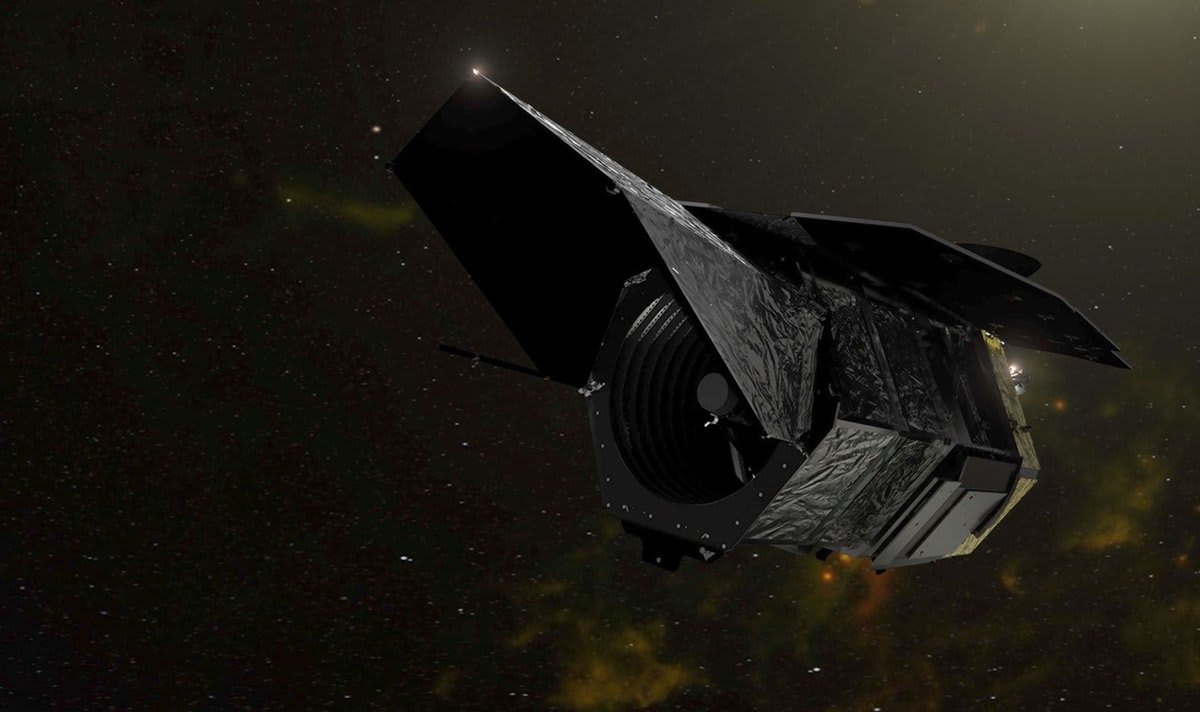
The James Webb telescope is doing what it was designed to do: giving us unprecedented views of distant worlds and helping us understand what makes a planet capable of supporting life. Each planet studied, whether it has an atmosphere or not, refines our ability to identify the next Earth.
The technology works, the methods are improving, and scientists are systematically checking off planets in our cosmic neighborhood. GJ 486 b might not be the water world researchers hoped for, but it's teaching us exactly how to find one.
We're getting closer to answering one of humanity's biggest questions, one planet at a time.
Based on reporting by Google: James Webb telescope
This story was written by BrightWire based on verified news reports.
Spread the positivity!
Share this good news with someone who needs it