China Tests Human Embryos in Space for Future Colonies
Chinese scientists are studying human embryo development in microgravity to understand if we can safely have babies beyond Earth. The research could be crucial for future moon and Mars settlements.
As humanity dreams of living on Mars and the moon, scientists are tackling a question that matters for long-term survival: can we safely have babies in space?
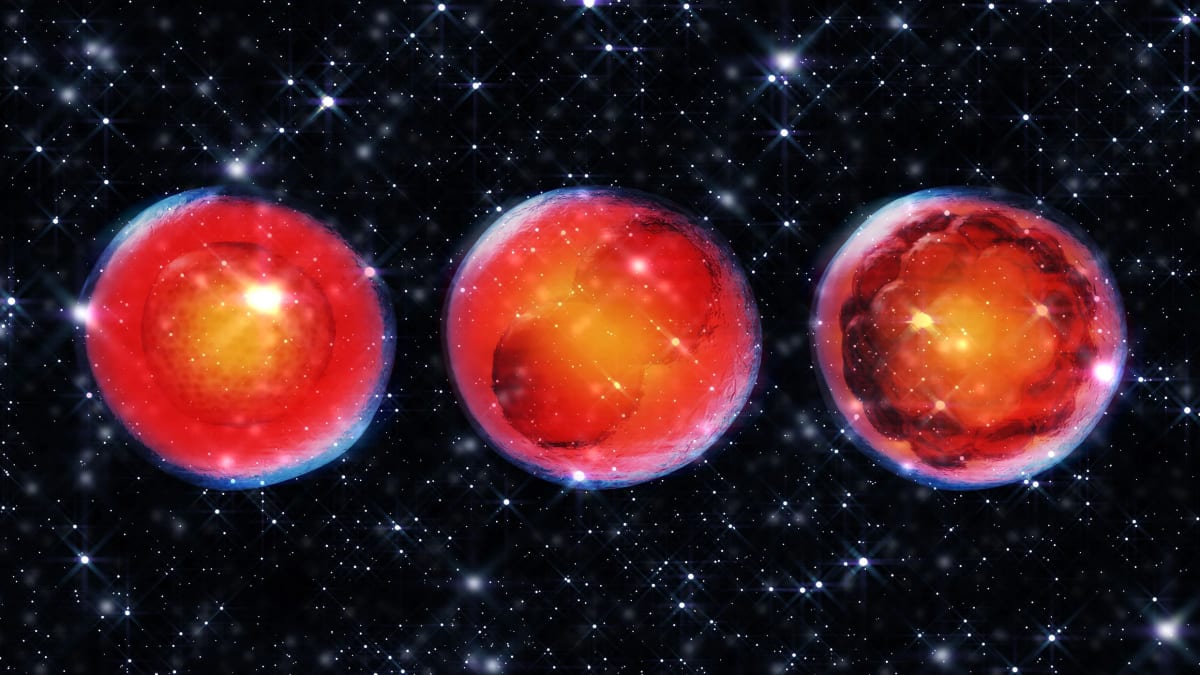
China is conducting groundbreaking research aboard its space station to find out. Scientists sent embryo-like structures made from human stem cells into low-earth orbit for five days, the critical window when early development happens and organs begin to form.
The experiment focuses on understanding how microgravity affects human development at its earliest stages. Abnormalities during this period can impact a person throughout their life, so researchers want to know if space increases the risk of birth defects.
These aren't actual human embryos. The stem cell structures cannot develop beyond the embryo stage, addressing ethical concerns while still providing valuable data about how microgravity might affect conception and development.
If scientists discover potential risks, they can start developing interventions to protect future space babies. That knowledge becomes essential as both government agencies and private companies push forward with plans to colonize other worlds.
Scientists have tested this before with mice. Three years ago, Japanese researchers brought mouse embryos to the International Space Station and found microgravity had no notable impact on their development.
But mice aren't humans, which makes China's experiment particularly significant. The research uses human-derived cells, bringing us closer to understanding what reproduction might really look like for people living 250 miles above Earth or on distant planets.
The stakes extend beyond scientific curiosity. If humans establish permanent settlements on the moon or Mars, the ability to have healthy children becomes fundamental to survival and growth of those communities.
Why This Inspires
This research represents hope for humanity's future among the stars. Rather than rushing blindly into space colonization, scientists are thoughtfully examining the challenges we'll face and working to solve them before they become problems.
The experiment shows how far we've come in making space exploration not just about visiting other worlds, but about truly living there. Every question answered brings us closer to a future where raising families beyond Earth isn't science fiction.
Understanding reproduction in space means future generations won't have to choose between exploring the cosmos and having children.
Based on reporting by Fast Company - Innovation
This story was written by BrightWire based on verified news reports.
Spread the positivity!
Share this good news with someone who needs it