China Tests Moon Rocket Ahead of 2030 Astronaut Mission
China successfully tested its new Mengzhou spacecraft and Long March-10 rocket, bringing the country closer to landing astronauts on the moon by 2030. The safety trial proved astronauts could escape safely if something goes wrong during launch.
China just took a giant leap toward putting astronauts on the moon, completing a crucial safety test that protects crew members during one of spaceflight's most dangerous moments.
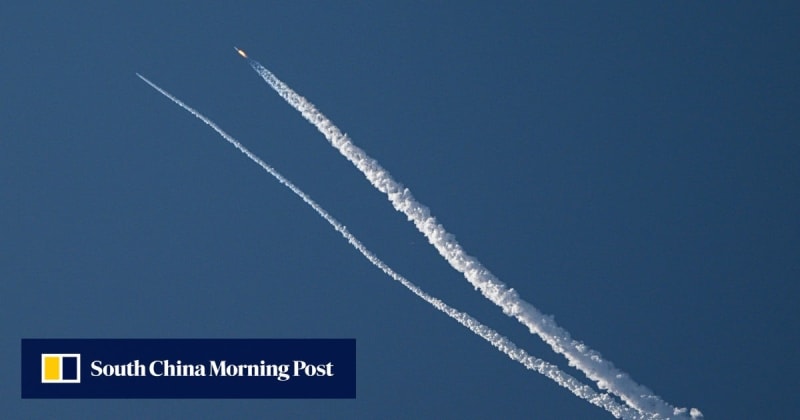
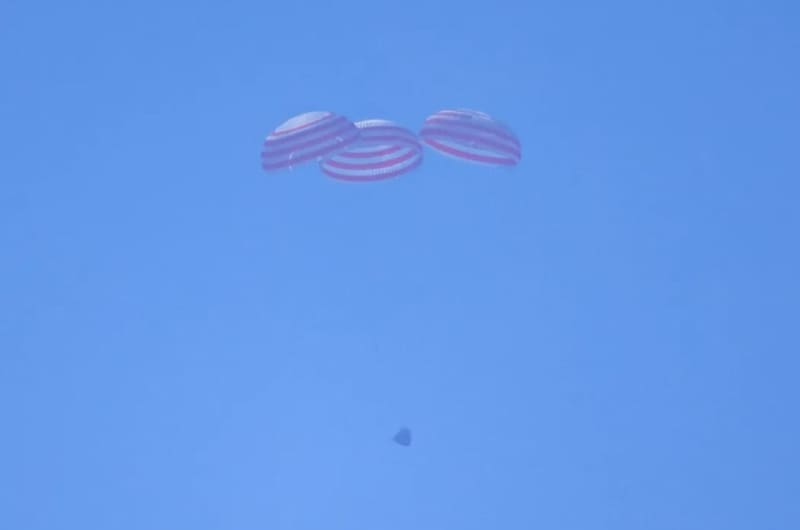
The Mengzhou spacecraft lifted off Wednesday morning from Wenchang Satellite Launch Center in southern China aboard the brand-new Long March-10 rocket. Within minutes, the uncrewed vessel separated from the rocket and splashed down safely in the ocean exactly where mission planners expected.
This wasn't just another test flight. The mission proved that astronauts could escape to safety if something goes wrong right after launch, when rockets are most vulnerable. China had already tested the escape system on the ground in June, but Wednesday's trial showed it works during actual flight conditions.
The Long March-10 rocket made its debut flight during the test. Engineers are developing this powerful launcher specifically to carry Chinese astronauts to the lunar surface by the end of the decade.
Every crewed mission to the moon needs a reliable escape system. During the Apollo program, NASA built similar safety features into its spacecraft. SpaceX tests escape systems on its Dragon capsules. Now China has demonstrated its own technology works when it matters most.
The Ripple Effect
China's steady progress toward lunar exploration represents more than one nation's achievement. As multiple countries and private companies race back to the moon, humanity is building the infrastructure for sustained space exploration that could benefit everyone.
The successful test moves China closer to becoming only the second nation to land people on the moon. Beyond national pride, lunar missions drive innovations in life support, materials science, and remote operations that often find uses back on Earth.
Wednesday's flight also signals growing competition in space that's spurring faster development. When more players enter the field with different approaches and technologies, the entire industry advances. China's methodical testing program shows the careful preparation needed for deep space missions.
The technology demonstrated Wednesday could eventually support longer missions to Mars or permanent lunar bases. Each successful test builds confidence and knowledge that future explorers will need.
China's space program is racing toward an ambitious deadline, and Wednesday showed they're right on schedule.
More Images


Based on reporting by South China Morning Post
This story was written by BrightWire based on verified news reports.
Spread the positivity!
Share this good news with someone who needs it