China Turns Farm Waste Into Fuel in Green Breakthrough
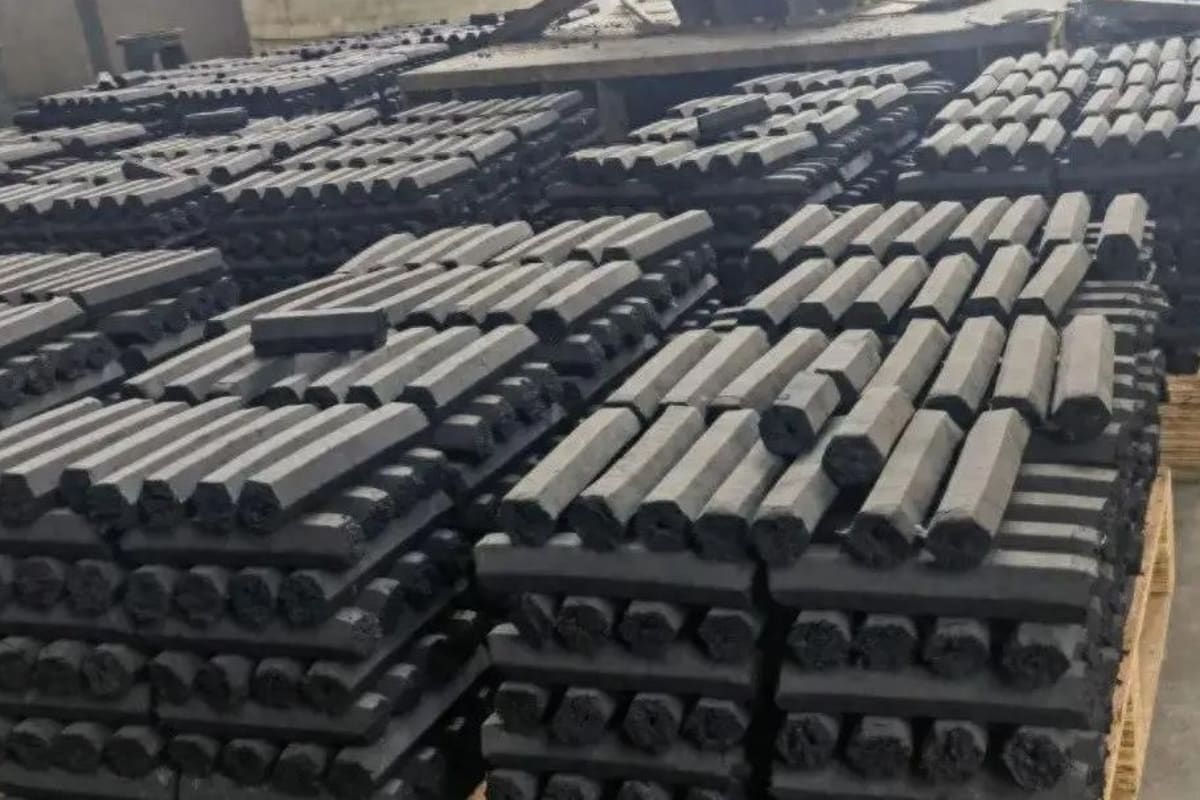
Chinese scientists have solved a decade-old problem: how to turn agricultural waste into valuable fuel at massive scale. A single facility can now produce 50,000 tons of biochar annually, transforming crop leftovers into aviation fuel and soil enhancers.
After more than ten years of research, scientists in China have cracked the code on turning farm waste into something remarkable: a carbon-rich material that can replace fossil fuels and enrich soil at the same time.
The breakthrough comes from the Institute of Environment at Hefei Comprehensive National Science Center in Anhui province. Their new technology converts agricultural waste into biochar through a single-step process that's faster, cleaner, and more efficient than anything before it.
Here's why it matters: China produces massive amounts of agricultural waste every year. Until now, much of that biomass was burned or left to rot. This new method transforms those crop leftovers into a valuable resource that fights climate change while creating economic opportunities for farming communities.
The technology addresses problems that have plagued biochar production for years. Traditional methods produced low yields, consumed too much energy, and created pollution. The new process is so efficient that one facility can produce over 50,000 tons of biochar annually.
"China is a major agricultural country with abundant biomass resources," said Xing Xianjun, the project leader and deputy director of the institute. "Our goal is to upgrade these resources into high-value applications that can replace fossil fuels."
The applications are surprisingly diverse. Farmers can add biochar to soil to boost crop yields by improving how nutrients stick around and enhancing soil structure. The material also works in energy storage, environmental cleanup, and as an industrial catalyst.
The Ripple Effect
The technology is already making waves beyond the lab. Multiple cities across China have adopted the system, and one project in Bozhou is advancing rapidly to produce green aviation fuel from biochar.
This means crop waste from rice paddies and cornfields could eventually power airplanes. The same material that once created smoke and pollution when burned now offers a path toward carbon-neutral air travel.
For farming communities, this transforms waste into income. What was once an disposal problem becomes a sellable product. The technology supports China's carbon neutrality goals while giving rural areas new economic opportunities.
The scale is what sets this apart from previous biochar efforts. Moving from small batches in research labs to 50,000-ton facilities represents the kind of leap that can actually impact global carbon emissions. When green technology reaches industrial scale, it stops being experimental and starts being transformational.
The team continues developing new applications, exploring how biochar-based materials can solve problems in energy and environmental protection. Each new use case strengthens the economic argument for converting agricultural waste instead of burning it.
A decade of patient research is now paying dividends that could reshape how the world thinks about farm waste.
Based on reporting by Google News - Tech Breakthrough
This story was written by BrightWire based on verified news reports.
Spread the positivity!
Share this good news with someone who needs it