Self-Propelled Trailers Could Save 19 Tons of CO2 Each Year
Semi-trailers that help power themselves just hit European roads, turning freight hauling greener without replacing a single truck. These electric-assisted trailers could cut diesel use by 7,000 liters per year while making trucking companies money.
A semi-trailer just became part of the solution to cleaner freight, and it didn't require buying a new truck.
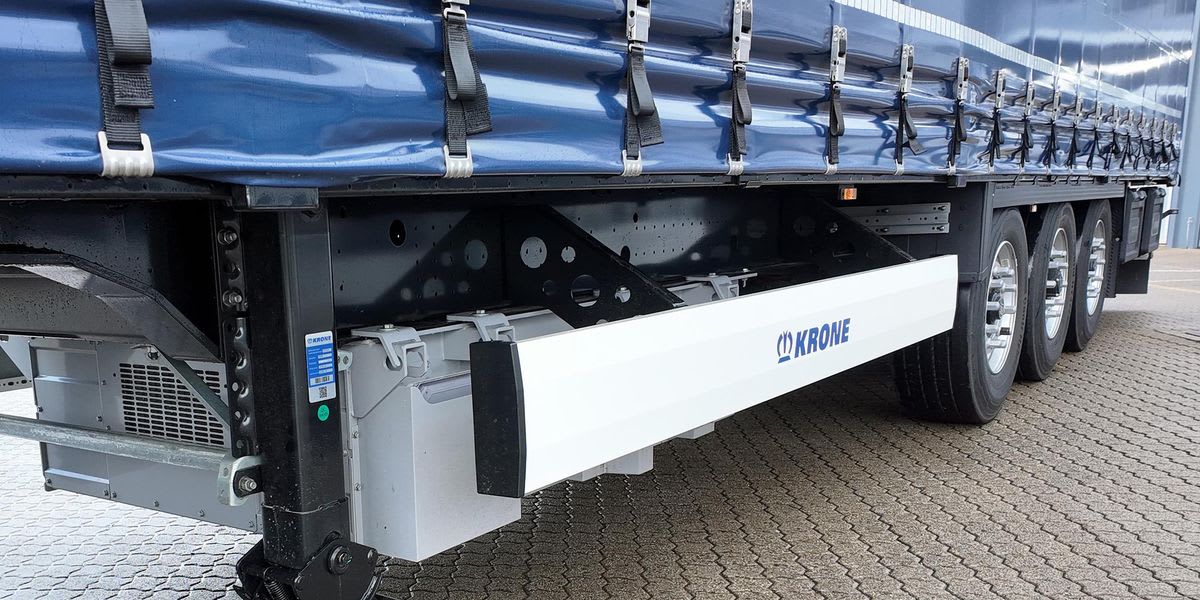
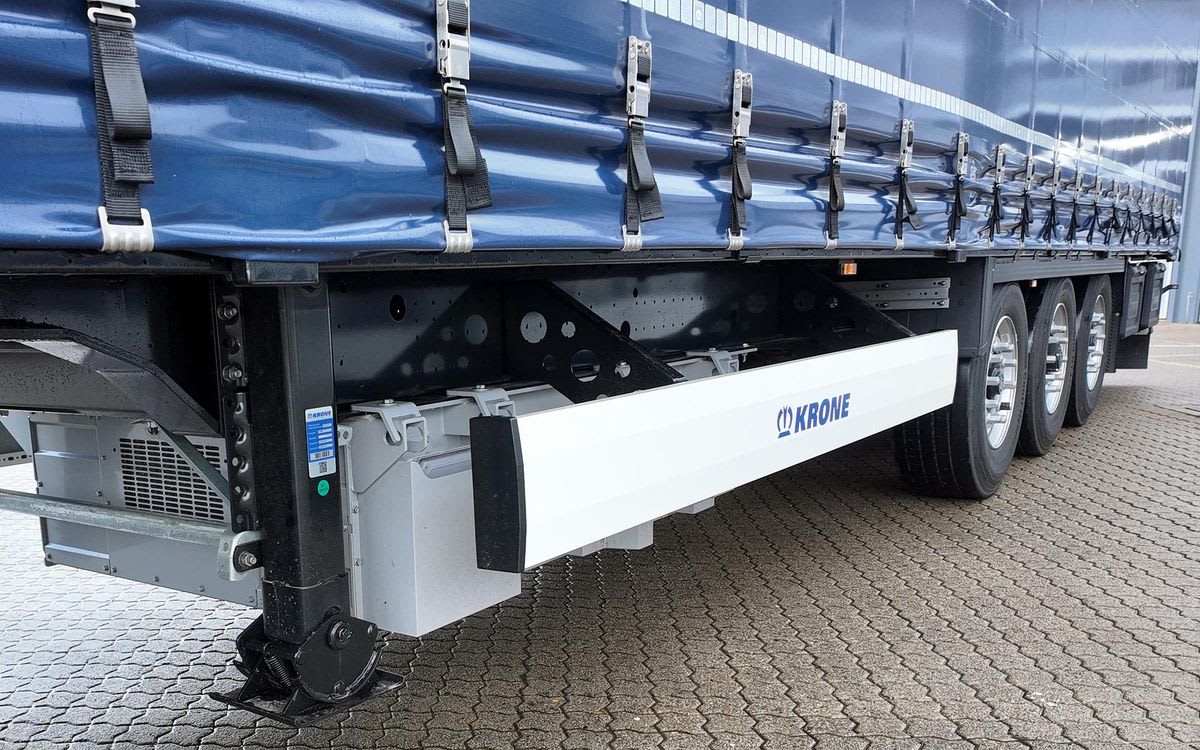
In late May, German transport operator Sommer put a self-powered trailer into its working fleet. The trailer, developed by Luxembourg-based Nivalis Energy Europe, uses an electric axle that both assists propulsion and captures energy during braking.
The system is brilliantly simple. A 60-kilowatt-hour battery draws power from three sources: regenerative braking as the truck slows down, rooftop solar panels generating electricity all day, and quick charges during loading stops. Drivers see only a small display showing battery status. Nothing else about handling or licensing changes.
The projected savings tell the story. Each trailer could eliminate 7,000 liters of diesel annually, keeping roughly 19 tons of carbon dioxide out of the atmosphere. Those numbers assume the trailer runs 100,000 kilometers per year carrying typical freight loads.
Pavel Gilman, Nivalis's vice president of sales and marketing, breaks down where the savings come from. About a third comes from regenerative braking, 11 to 15 percent from solar panels, and roughly half from grid charging during parking stops.
This approach sidesteps the biggest hurdles facing electric trucking. New battery-electric trucks cost significantly more upfront and need charging infrastructure that most freight routes don't reliably provide yet. A retrofit kit on an existing trailer avoids both problems.
The idea is catching fire across Europe. Companies from Germany to the Netherlands are testing similar systems, each betting that the energy harvested from braking, sunshine, and short charging bursts adds up to real savings.
Trailer Dynamics, another German company, reports even higher fuel reductions of around 40 percent in tests with BMW Logistics and Volkswagen. Their larger battery systems add more weight but promise greater range extension for electric tractors.
The European Investment Bank believes in the concept enough to extend a €25 million loan to Trailer Dynamics in November 2024. Industrial-scale production is planned for 2028, timed with Europe's tightening carbon reduction requirements for 2030.
The Ripple Effect
This technology matters because it meets freight companies where they are. They don't need to replace entire fleets or wait for charging networks to materialize. They can retrofit existing trailers and start saving fuel immediately.
The environmental math is compelling too. If just 10,000 trailers adopted this technology at the conservative Nivalis projection, that would eliminate 190,000 tons of carbon dioxide annually while saving 70 million liters of diesel.
The pilot with Sommer will run for more than a year, gathering real-world data across multiple seasons and conditions. Those numbers will help other fleet operators calculate whether the retrofit costs pencil out for their specific routes and usage patterns.
Making freight greener doesn't require waiting for the perfect solution—it just needed trailers smart enough to help themselves along.
More Images
Based on reporting by IEEE Spectrum
This story was written by BrightWire based on verified news reports.
Spread the positivity!
Share this good news with someone who needs it