China's 2026 Space Missions Include 26-Nation Collaboration
China just announced an ambitious 2026 space agenda that includes crewed flights, reusable rocket tests, and joint missions with countries across four continents. The program highlights a growing model of space cooperation that extends beyond traditional partnerships to include developing nations in Latin America, Africa, and Asia.
China's space program is opening new frontiers for international collaboration, with 26 countries and organizations joining forces for missions launching this year.
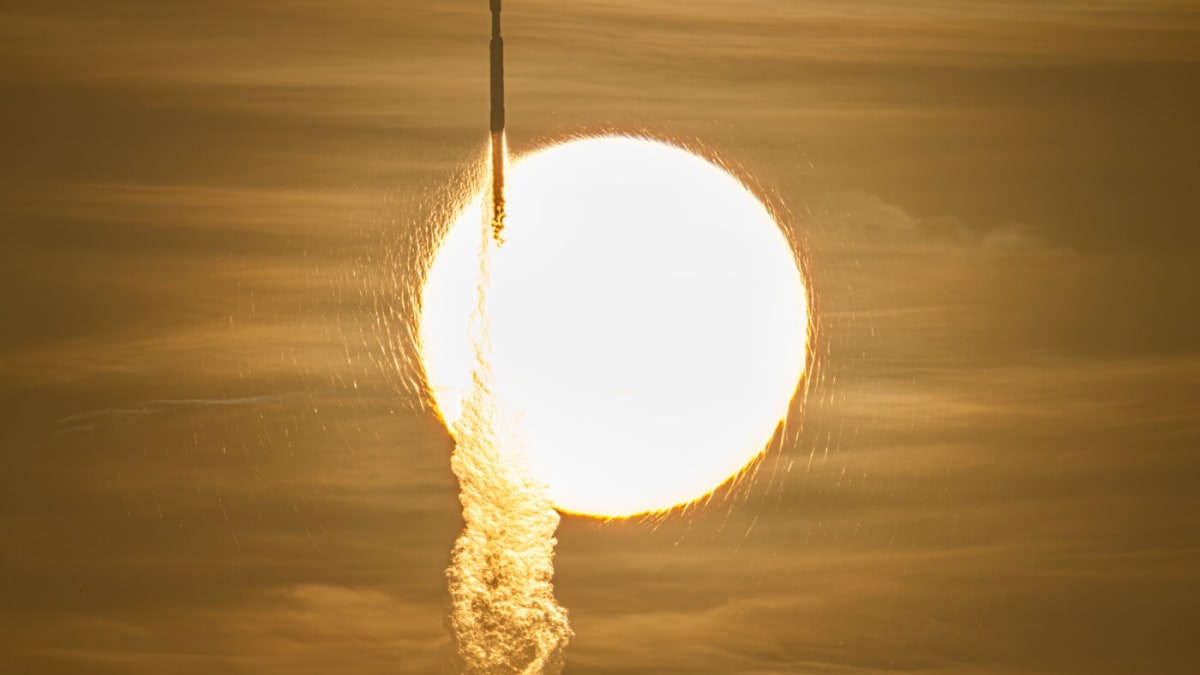
The China National Space Administration announced its 2026 agenda on Friday, revealing plans for crewed Shenzhou spacecraft flights, multiple reusable rocket tests, and groundbreaking joint missions. Brazil will serve as the guest of honor at China Space Day celebrations in Chengdu on April 24, marking seven decades of Chinese aerospace achievement.
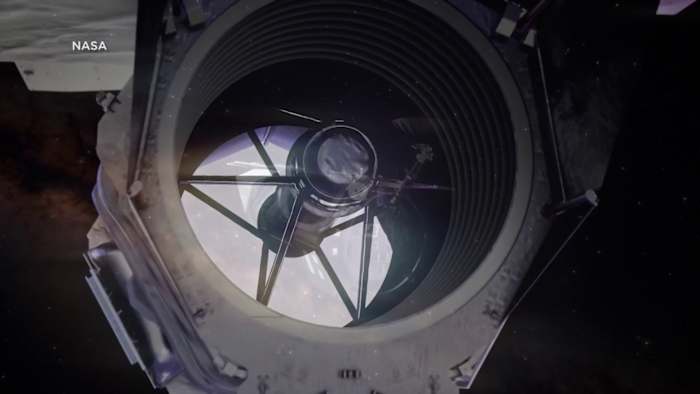
One highlight is SMILE, a joint China-Europe satellite mission designed to reveal how solar winds interact with Earth's magnetosphere. The collaboration brings together scientists from both regions to unlock mysteries about space weather that affects our planet.
The China-Brazil Earth Resources Satellite program continues its nearly 40-year partnership, extending benefits far beyond the two nations involved. Satellite data from this cooperation now serves countries across Latin America, Africa, and Asia, providing crucial environmental and agricultural information to developing regions.
Professor Kang Guohua from Nanjing University of Aeronautics and Astronautics notes that China's approach differs from traditional space partnerships. While many Western programs primarily involve developed nations cooperating among themselves, China has prioritized extending space benefits to developing countries like Brazil and Pakistan.
The Tianwen-2 mission will approach its target asteroid for close-range exploration this year, while the Chang'e-7 lunar mission prepares to launch. Experts predict lunar exploration will become the centerpiece of China's next development phase.
Commercial aerospace ventures are gaining momentum too. Multiple companies will test recoverable and reusable rockets in 2026, potentially transforming private-sector space delivery capabilities once technical verification succeeds.
The Ripple Effect
This inclusive model of space cooperation creates opportunities that reach far beyond launch pads and control rooms. When developing nations gain access to satellite technology and data, farmers can better predict weather patterns, governments can monitor environmental changes, and scientists can contribute to global research.
Pakistan will soon send its first astronaut on a short-term mission as a payload specialist, joining an expanding community of nations with direct space experience. These partnerships build scientific capacity in countries traditionally excluded from space exploration's benefits.
The cooperation framework proves that space advancement doesn't require an exclusive club. By sharing knowledge, technology, and orbital resources, participating nations are writing a new chapter where cosmic exploration serves humanity broadly rather than a privileged few.
As 26 nations gather in Chengdu this month, they're demonstrating that reaching for the stars works best when we reach together.
Based on reporting by Google: cooperation international
This story was written by BrightWire based on verified news reports.
Spread the positivity!
Share this good news with someone who needs it