China's Gravity-1 Rocket Aces Third Sea Launch
The world's most powerful solid-fuel rocket just launched nine satellites from a ship off Shanghai's coast. China's Gravity-1 is proving that launching rockets from the ocean isn't just possible—it's reliable.
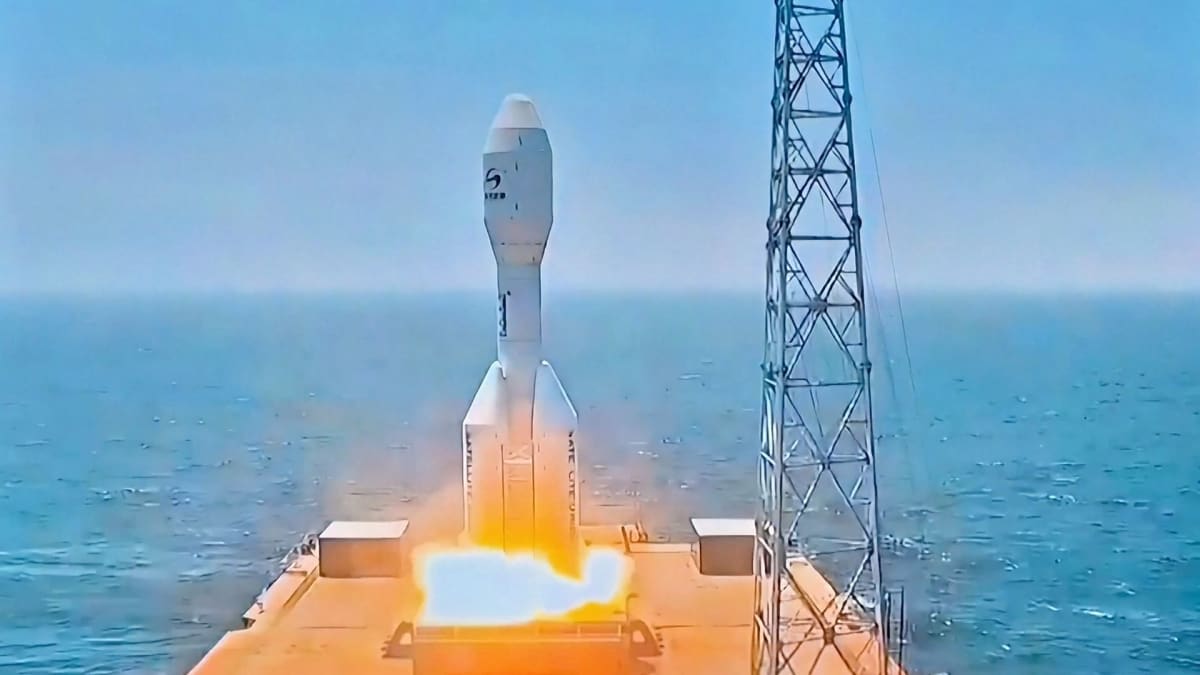
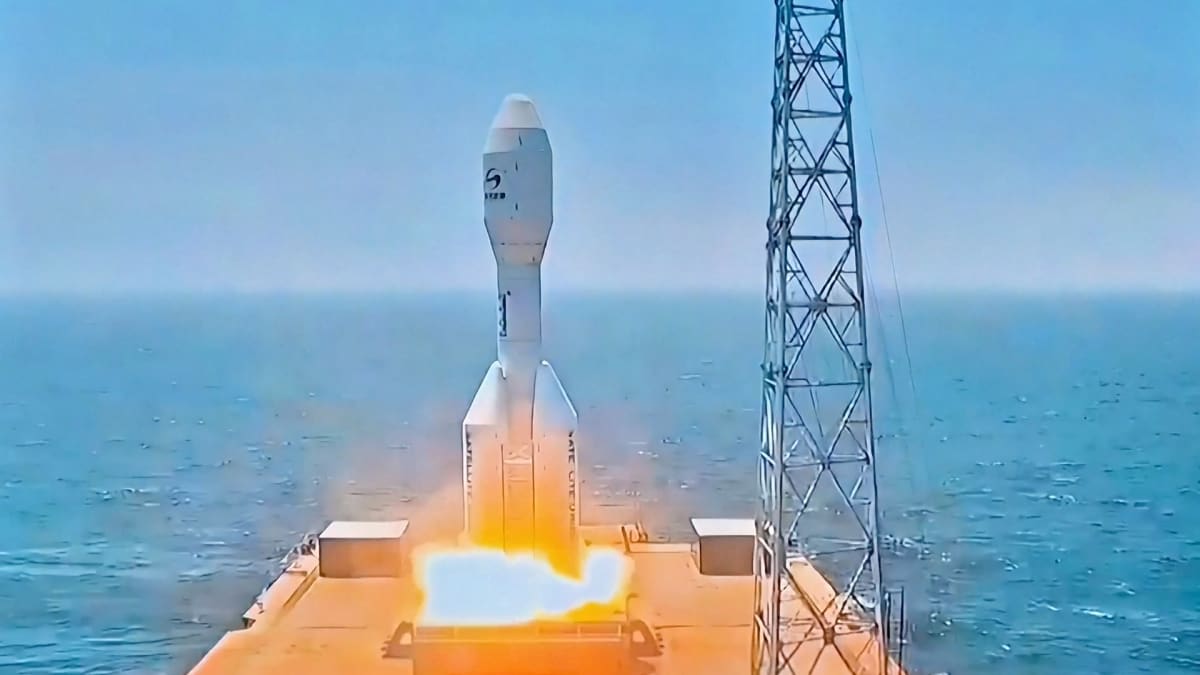
A stubby rocket rising from the deck of a ship in the ocean sounds like science fiction, but China just pulled it off for the third time in a row.
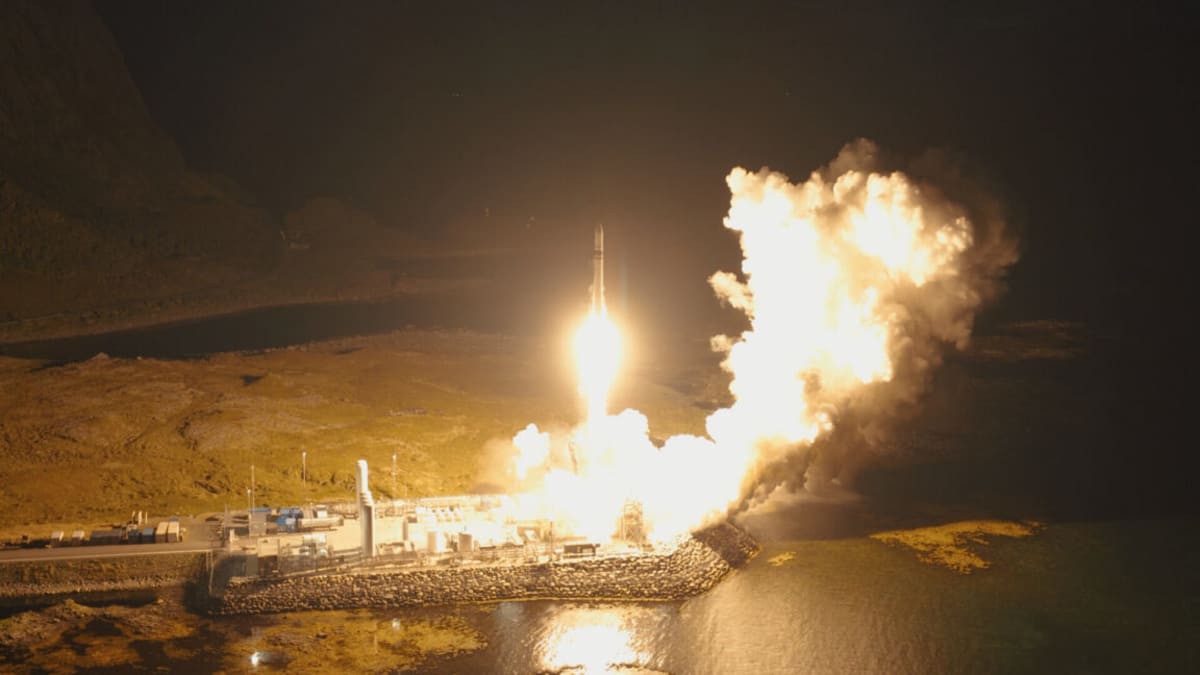
Gravity-1, operated by Chinese company Orienspace, launched Tuesday night from a vessel stationed off the coast of Shanghai. All nine satellites reached their designated orbits, marking a perfect success record for this innovative launcher.
The rocket stands just 100 feet tall, less than half the height of SpaceX's Falcon 9. But don't let its compact size fool you—Gravity-1 can haul up to 14,300 pounds of payload to low Earth orbit, making it the most powerful solid-fuel rocket on the planet.
What makes Gravity-1 special isn't just its power. It's where it launches from.
Most rockets blast off from fixed land-based facilities that cost billions to build and maintain. Orienspace skips all that by launching from ships at sea, offering flexibility that traditional launch sites can't match.
The company started flying Gravity-1 in January 2024, then launched again in October 2025. Now with three successful missions under its belt, the rocket is preparing to launch a batch of Chinese internet satellites in the coming months.
Why This Inspires
Gravity-1 shows that innovation doesn't always mean bigger and flashier. Sometimes it means rethinking the whole approach.
Sea launches open possibilities that landlocked facilities simply can't offer. Ships can position themselves for optimal orbits, avoid populated areas, and provide backup launch sites when weather or politics interfere with land-based pads.
Orienspace isn't stopping here either. The company is developing Gravity-2 and Gravity-3, larger rockets featuring liquid-fueled engines paired with solid boosters. Gravity-2 could fly by the end of this year, possibly from a drilling platform.
"Sea launch of solid-propellant rockets paves the way for future launch of liquid rockets at sea," said Gravity-1 chief designer Xu Guoguang. His team is already exploring new methods, proving that today's innovation becomes tomorrow's foundation.
The space launch industry is entering an era where access to orbit gets easier, cheaper, and more flexible every year—and that means more opportunities for everyone.
More Images

Based on reporting by Space.com
This story was written by BrightWire based on verified news reports.
Spread the positivity!
Share this good news with someone who needs it