Europe's First Private Rocket Reaches Orbit From Norway
Three German university students turned a campus workshop hobby into Europe's first fully commercial rocket company, successfully launching to orbit Saturday night. Isar Aerospace's achievement breaks decades of government monopoly and opens a new era for European space access.
A rocket built by a company founded just six years ago by three college friends streaked into the Arctic twilight Saturday, making history as Europe's first privately developed rocket to reach orbit.
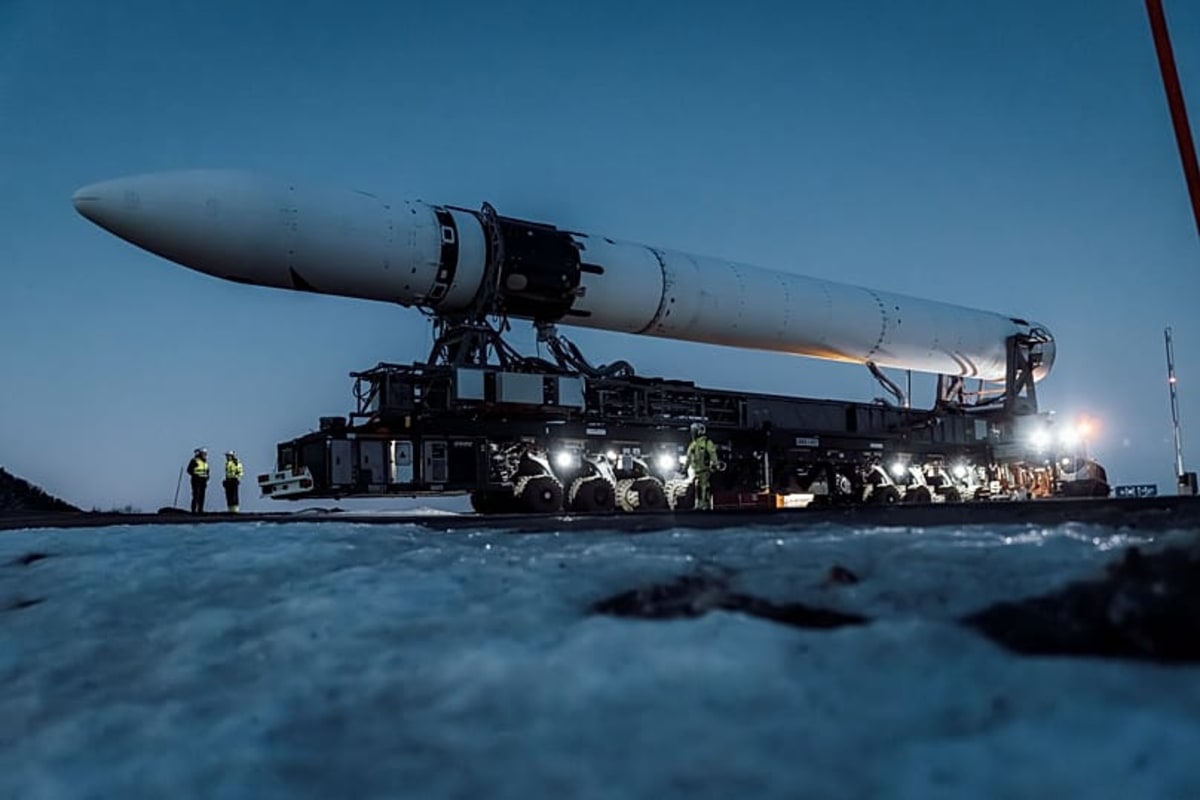
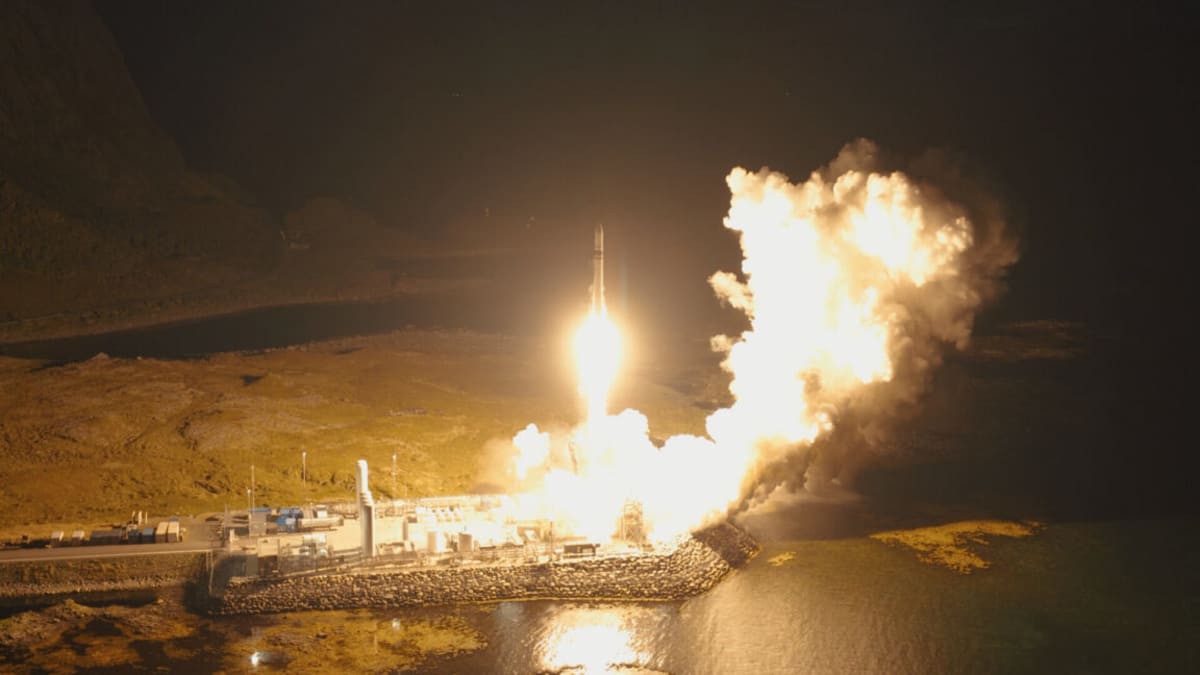
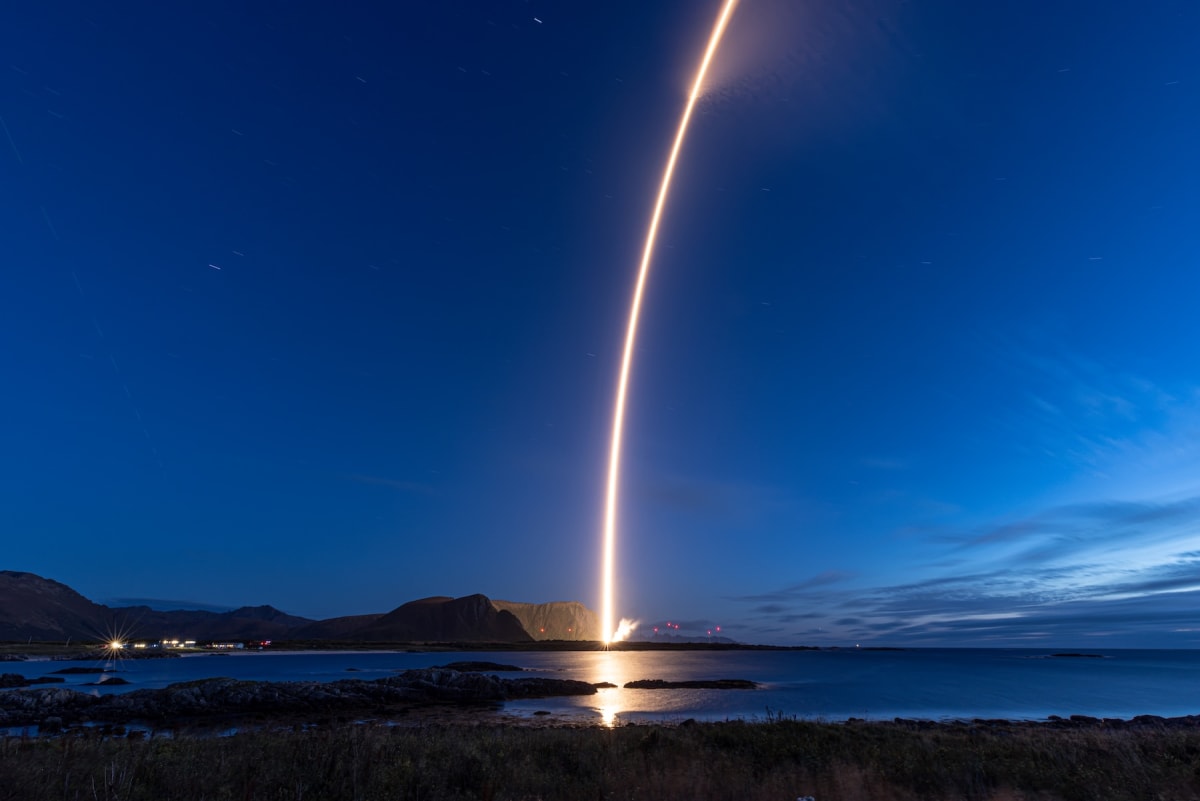
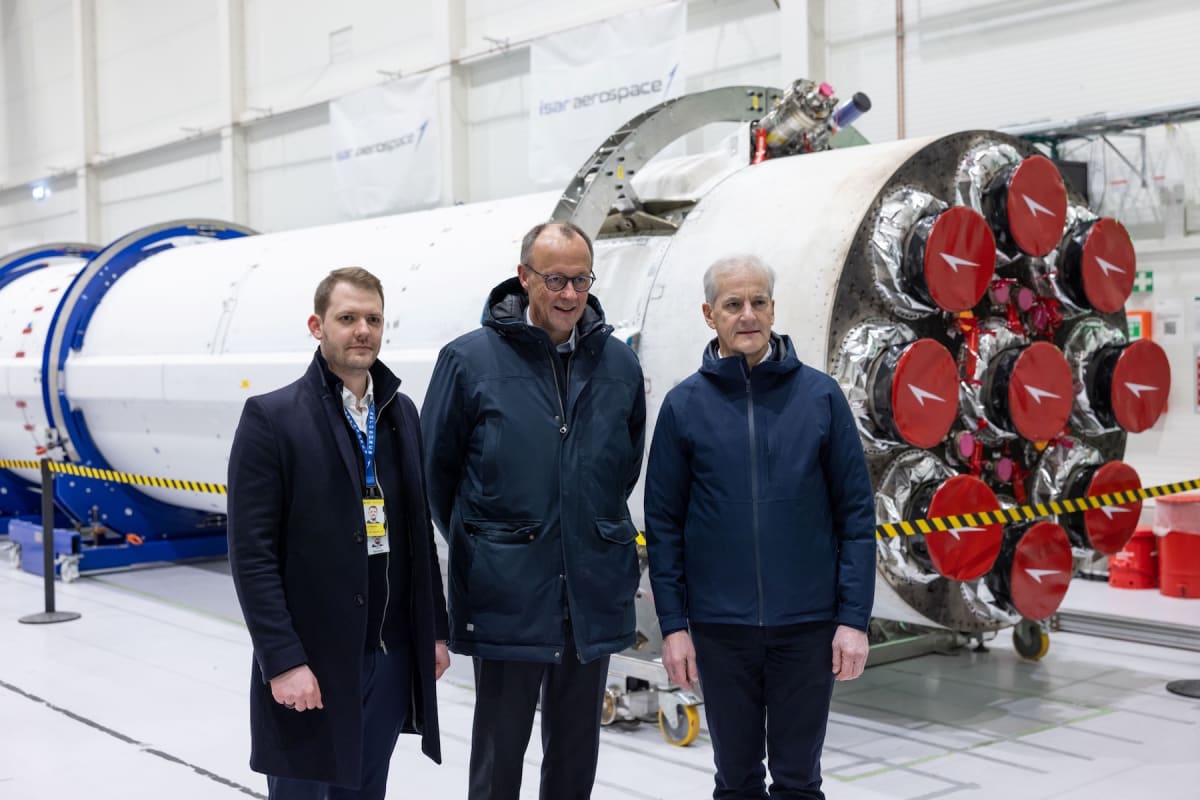
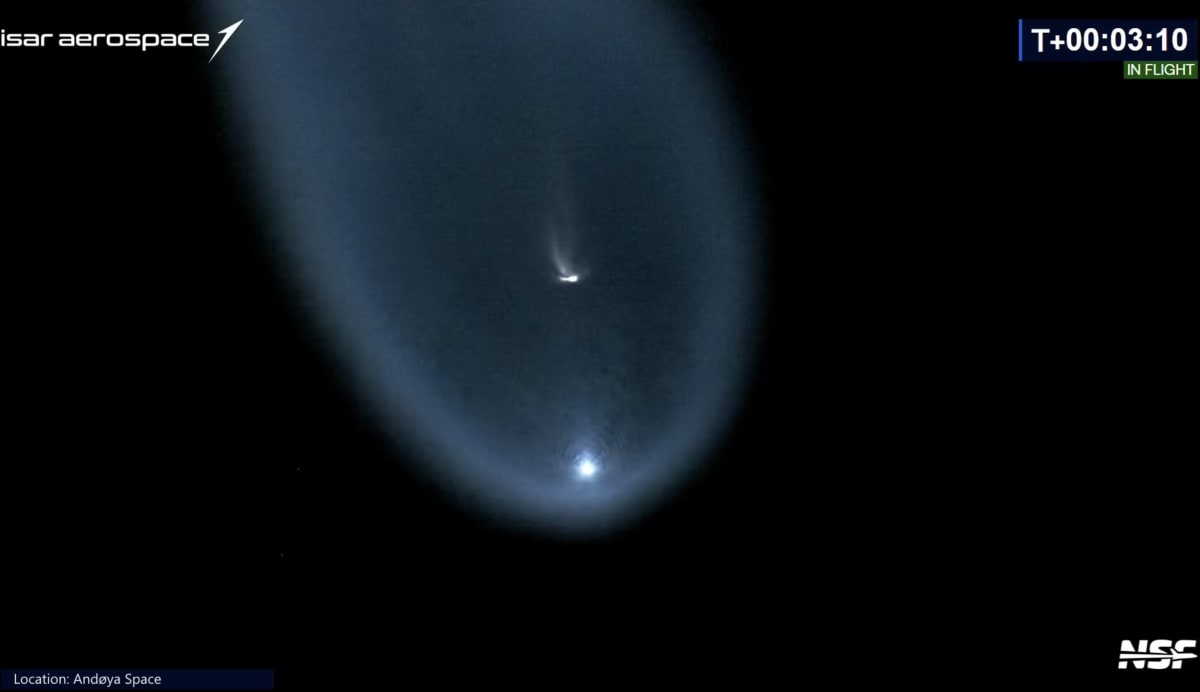
Isar Aerospace's Spectrum rocket lifted off at 10:12 pm from Norway's Andøya Spaceport, deep inside the Arctic Circle. Seven minutes later, it was circling Earth.
The achievement marks a turning point for Europe's space industry, which has relied on government-funded rockets for decades. Now a startup founded by students tinkering in a workshop at Munich's Technical University has done what the establishment said was impossible.
Daniel Metzler and his two classmates, Josef Fleischmann and Markus Brandl, started Isar Aerospace in 2018 with little more than enthusiasm and rocket parts. The company is named after the river flowing through their hometown of Munich.
"Back in 2018, when there was no 'New Space' industry on this side of the Atlantic, people said it will never work," Metzler told reporters Sunday. "Giving up is not in our DNA."
The team grew from three dreamers to nearly 500 employees. They raised about $1 billion in private funding, making Isar by far Europe's most well-capitalized private launch company.
The timing couldn't be better for European governments seeking alternatives to expensive legacy rockets and political independence from relying on American companies like SpaceX. Europe's current rockets, Ariane 6 and Vega-C, need billions in subsidies just to stay competitive.
The Ripple Effect
Isar's success proves that Europe can move fast and innovate when freed from traditional bureaucratic structures. The company built and launched an orbital rocket in eight years, a timeline matching successful American startups but achieved without Europe's typical geographic return requirements that dictate where components must be manufactured.
Other European space startups are watching closely. Competition is now injecting energy into a market that had grown stagnant under government control.
For European Space Agency officials, this represents the jolt they've been hoping for. Lower costs and more launch options mean European satellites won't need to hitch rides on foreign rockets or pay premium prices at home.
The geopolitical implications run deeper than economics. As European leaders seek strategic autonomy during uncertain times with the United States, having reliable homegrown space access matters more than ever.
"Strategic access to space and not being dependent on a monopoly is extremely important for our own security, our own economy, for strategic autonomy," Metzler said.
The company isn't stopping to celebrate. Isar is already focused on scaling up production to meet a growing backlog of orders from commercial and government customers who now have a true alternative.
Three students who dared to dream against all odds just opened space for an entire continent.
More Images

Based on reporting by Google: SpaceX launch success
This story was written by BrightWire based on verified news reports.
Spread the positivity!
Share this good news with someone who needs it